The Panchang of 4 June 2026 holds special significance for devotees and followers of the Hindu calendar, particularly because the day observes Sankashti Ganesh Chaturthi, one of the most revered monthly fasts dedicated to Lord Ganesha. Falling on a Thursday during the Krishna Paksha of the Jyeshtha month, the day combines important lunar movements, auspicious yogas, and carefully observed muhurats that guide religious rituals, fasting practices, and daily activities.
June 4, 2026, corresponds to Jyeshtha Krishna Paksha Chaturthi under Vikram Samvat 2083 and Shaka Samvat 1948. The day features a transition of the Moon from Sagittarius to Capricorn, while several favourable and unfavourable time windows shape the spiritual and astrological landscape of the day.
Panchang of 4 June 2026 Tithi Nakshatra and Yoga Details
The day begins with Krishna Paksha Chaturthi, which remains in effect until 11:30 PM. After that, Krishna Paksha Panchami commences and continues into the following day.
The ruling Nakshatra is Uttarashadha, which remains active until 3:41 AM on the next day. It is then followed by Shravan Nakshatra. These lunar constellations are considered important for determining suitable timings for spiritual observances and routine activities.
In terms of yogas, Shukla Yoga remains active until 9:02 AM, after which Brahma Yoga takes over. Both yogas play a role in traditional Panchang calculations and are often consulted before undertaking important tasks.
The Karan sequence for the day includes:
- Bav Karan until 10:28 AM
- Balav Karan until 11:30 PM
- Kaulav Karan after 11:30 PM
These Panchang elements collectively provide a detailed framework for determining the nature and quality of the day according to Vedic traditions.
Sunrise Sunset and Moon Timings
The astronomical timings for June 4, 2026, are as follows:
- Sunrise: 5:44 AM
- Sunset: 7:05 PM
- Moonrise: 10:33 PM
- Moonset: 9:35 AM
The day falls during Uttarayan and the summer season, both according to traditional Vedic reckoning and the seasonal calendar.
One of the notable celestial events is the Moon’s movement from Sagittarius to Capricorn, a transition that occurs until 7:41 AM. This shift is closely monitored by astrologers because lunar transits are believed to influence daily energies and decision-making.
Abhijit Muhurat and Auspicious Timings
For those looking for favourable periods during the day, the Abhijit Muhurat emerges as one of the most important windows.
Abhijit Muhurat
- 11:58 AM to 12:51 PM
Traditionally regarded as a highly favourable period, the Abhijit Muhurat is often consulted for initiating significant tasks when other muhurats may not be available.
Other auspicious periods include:
Brahma Muhurta
- 4:08 AM to 4:56 AM
This pre-dawn period is widely associated with prayer, meditation, and spiritual practices.
Amrit Kaal
- 8:33 PM to 10:20 PM
Amrit Kaal is considered a beneficial period and is often viewed as supportive for positive undertakings.
The day’s Choghadiya schedule also identifies several favourable segments, including:
- Auspicious (Var Vela): 5:44 AM to 7:24 AM
- Benefit: 12:25 PM to 2:05 PM
- Nectar: 2:05 PM to 3:45 PM
- Auspicious (Var Vela): 5:25 PM to 7:05 PM
Nighttime favourable periods include Nectar and auspicious Choghadiya intervals extending into the early morning hours.
Inauspicious Timing on 4 June 2026
Just as important as favourable periods are the intervals traditionally avoided for major activities.
Rahu Kaal
- 2:05 PM to 3:45 PM
Rahu Kaal is among the most commonly observed inauspicious periods in Hindu tradition. Many people avoid beginning important tasks during this time.
Yama Ganda
- 5:44 AM to 7:24 AM
Kulik
- 9:04 AM to 10:45 AM
Durmuhurta
- 10:11 AM to 11:05 AM
- 3:32 PM to 4:25 PM
Varjyam
- 9:53 AM to 11:40 AM
These periods are traditionally considered less suitable for initiating major ventures, ceremonies, or important commitments.
Sankashti Ganesh Chaturthi
A major highlight of the Panchang of 4 June 2026 is the observance of Sankashti Ganesh Chaturthi.
This monthly fast dedicated to Lord Ganesha is observed during Krishna Paksha Chaturthi and is considered particularly important among devotees seeking blessings for the removal of obstacles and success in endeavours. The observance typically aligns with moonrise, making the recorded moonrise timing of 10:33 PM especially relevant for those following the vrat.
Because Chaturthi Tithi remains in effect until late evening, devotees observing the fast have a substantial portion of the day dedicated to worship and religious observances.
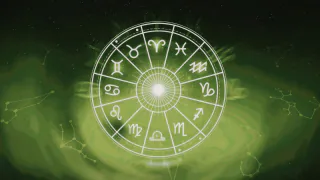
Moon Sign and Planetary Position
The Sun remains positioned in Taurus throughout the day.
Meanwhile, the Moon transitions from Sagittarius to Capricorn until 7:41 AM. Lunar sign changes are a key component of Panchang calculations and often influence astrological interpretations.
The Panchang also highlights Moon-strength periods. Until 7:41 AM on June 4, favourable lunar strength is noted for:
- Gemini
- Cancer
- Libra
- Sagittarius
- Aquarius
- Pisces
Following the Moon's transition, favourable Moon-strength indications extend to:
- Aries
- Cancer
- Leo
- Scorpio
- Capricorn
- Pisces
These classifications are frequently referenced by practitioners who incorporate lunar influences into daily planning.
Additional Panchang Details
The day belongs to:
- Vikram Samvat 2083 (Siddhartha)
- Shaka Samvat 1948
- Purnimant Month: Jyeshtha
- Amant Month: Jyeshtha
- Shaka Calendar Date: Jyeshtha 14, 1948
Anandadi Yoga records Dhwanksh until 5:27 AM, followed by the Flag (Ketu) phase.
Looking ahead, the Panchang also notes Sarvartha Siddhi Yoga beginning on June 5, associated with Shravan Nakshatra and Friday, a combination traditionally regarded as favourable.
The Panchang of 4 June 2026 presents a spiritually significant day marked by Sankashti Ganesh Chaturthi, the continuation of Krishna Paksha Chaturthi, and several notable planetary and lunar transitions. With the Abhijit Muhurat scheduled from 11:58 AM to 12:51 PM, devotees and Panchang followers have a key auspicious window available during the day. At the same time, awareness of inauspicious timing such as Rahu Kaal, Yama Ganda, Durmuhurta, and Varjyam remains important for those who plan activities according to traditional Hindu calendrical guidance.
From sunrise at 5:44 AM to moonrise at 10:33 PM, the day offers a rich combination of religious observance, astrological significance, and carefully calculated muhurats that continue to guide millions who rely on the Panchang for daily decision-making.