
Shin splints are usually caused by too much stress on the lower leg, particularly when running volume, speed, or intensity increases faster than the body can adapt. The pain typically appears along the front or inner side of the shin and can be accompanied by tenderness.
The quickest way to settle shin splints is usually to stop pushing through the pain. Stop or reduce the activity that triggers it, use ice for short periods, switch temporarily to lower-impact exercise and return to running gradually once symptoms have settled.
What Are Shin Splints?
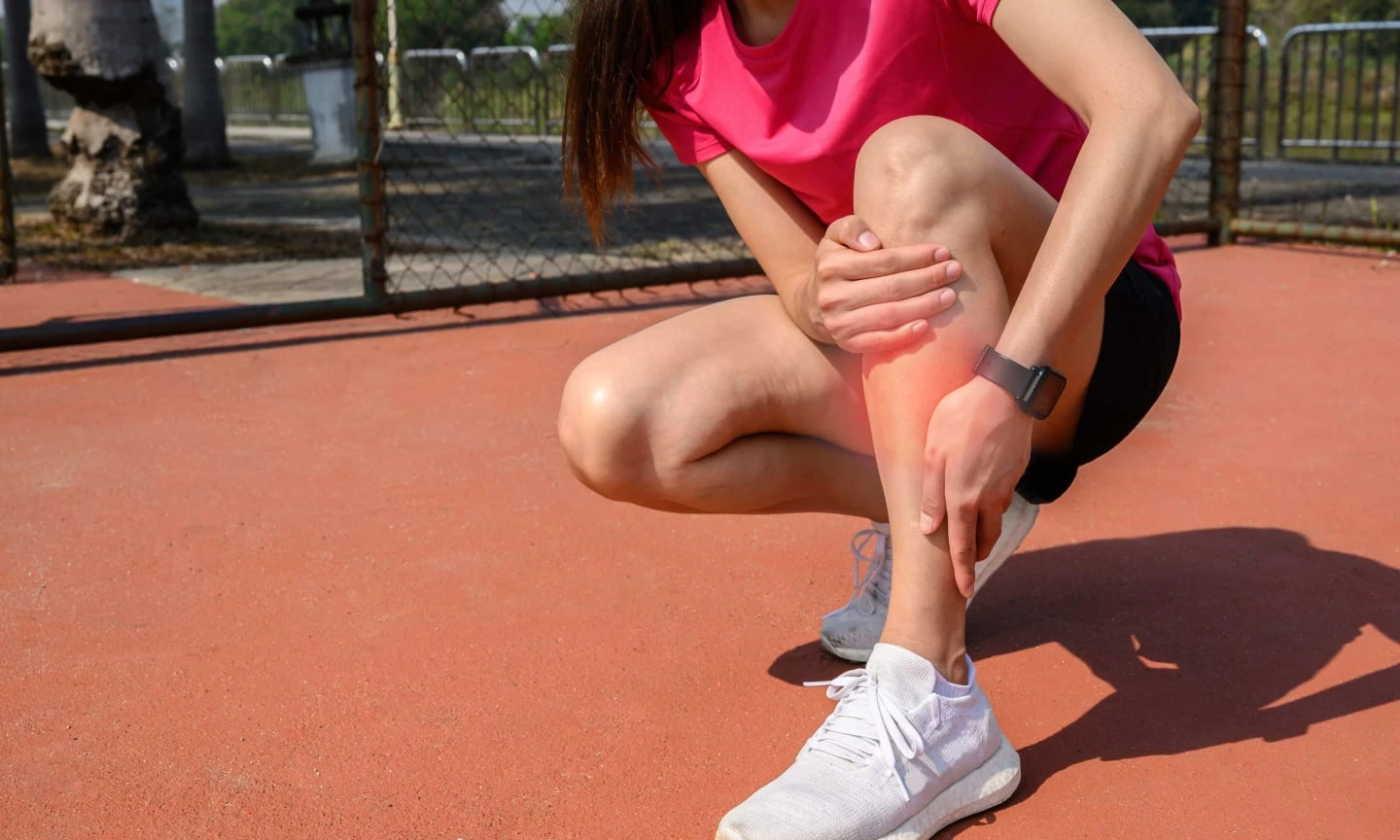
Image Source: Twitter
Shin splints are the common term for exercise-related shin pain. It is often associated with running and jumping and can develop when the lower leg is exposed to more load than it can currently tolerate.
The pain is generally felt along the front or inner edge of the shin. It can begin as a dull ache and become more noticeable during or after exercise.
For runners, the important distinction is between ordinary training soreness and pain that keeps returning or becomes progressively worse. Don't ignore persistent shin pain.
What Causes Shin Splints From Running?
The biggest trigger is overloading the legs.
This can happen when you:
- Suddenly increase your running distance
- Increase speed or intensity too quickly
- Start running after a long period of inactivity
- Add more running days without enough recovery
- Move from one type of running surface to another
- Run frequently on hard or uneven surfaces
- Use footwear that does not provide appropriate support
- Have running technique or biomechanical factors that increase stress on the lower leg
A useful way to think about the problem is load versus capacity. Running places repeated stress on the muscles, tendons and bones of the lower leg. If that load increases faster than your body's ability to handle it, overuse problems such as shin splints can develop.
How to Stop Shin Splints When Running?
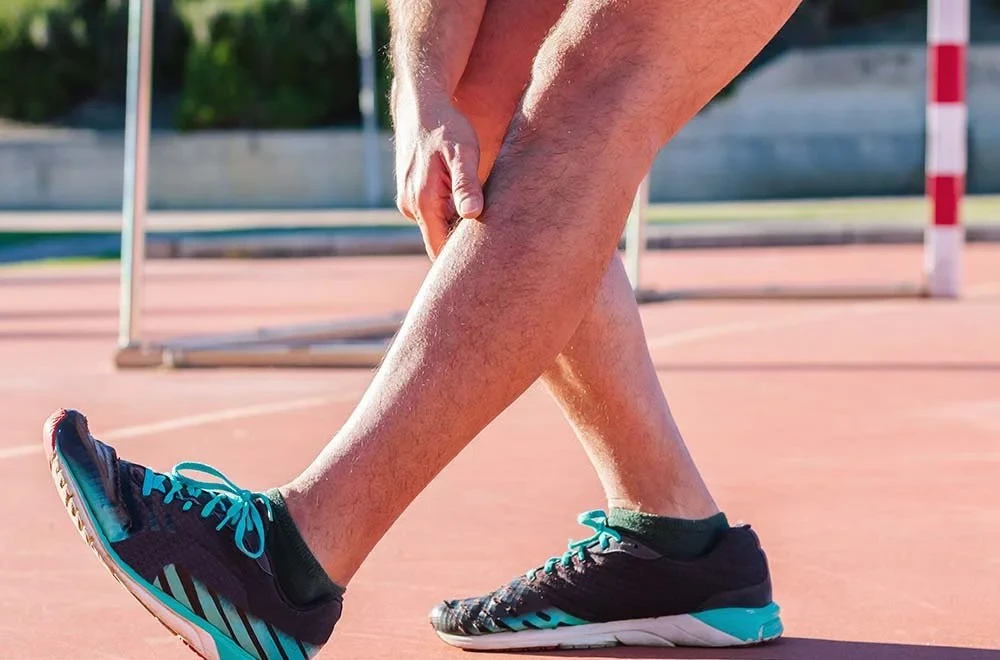
Image Source: Twitter
The first step is to stop the activity that is causing the pain rather than trying to run through it. NHS guidance recommends taking a break from the exercise responsible for the symptoms and gradually rebuilding your routine instead of immediately returning to your previous running level.
1. Reduce Running Temporarily
If running hurts your shins, give them a break. Continuing the same activity can make the irritation worse.
You do not necessarily have to stop all movement. Lower-impact activities such as swimming or gentle exercise can help you stay active while reducing impact on the legs.
2. Use Ice for Pain Relief
An ice pack wrapped in a towel can be applied to the painful area for up to 20 minutes at a time. NHS guidance suggests repeating this every 2 to 3 hours when needed. Never put ice directly against your skin.
Ice can help with pain, but it does not correct the underlying training or load problem.
3. Check Your Running Shoes

Image Source: Twitter
Supportive, properly fitting running shoes can help reduce unnecessary stress on the feet and lower legs. If your footwear is uncomfortable or unsuitable for your running needs, getting professional advice can be useful.
You do not necessarily need the most expensive running shoes. The priority is appropriate fit, comfort and support.
4. Return to Running Slowly
One of the biggest mistakes is feeling better and immediately returning to the same distance and pace that caused the problem.
Instead, increase your running gradually. NHS running guidance recommends avoiding rapid increases in intensity or distance and allowing recovery between runs.
Can You Run With Shin Splints?
It is better not to continue running when it is causing shin pain.
The NHS specifically advises stopping the exercise that caused shin splints and building back gradually rather than continuing at the same level.
If pain has settled, a gradual return is more sensible than immediately attempting your previous distance, pace or frequency.
How to Prevent Shin Splints?
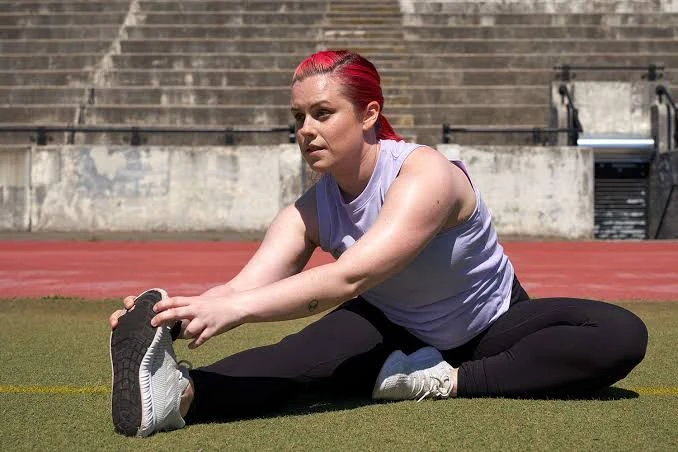
Image Source: Twitter
Prevention is largely about managing training load.
Warm up before running, increase distance and intensity gradually, allow adequate recovery and use suitable footwear. Running on softer or flatter surfaces may also reduce impact compared with consistently running on hard surfaces.
Strength and flexibility work can also support the lower leg. AAOS conditioning guidance includes the calf muscles and muscles around the shin and foot among the areas that can be strengthened and stretched as part of lower-leg conditioning.
A simple rule is: do not make several major training changes at once. Increasing distance, speed, frequency and hills together can dramatically increase the workload on your legs.
When Is Shin Pain More Serious?
Not every case of shin pain is ordinary shin splints. Other causes can include stress fractures, tendon problems and compartment syndrome.
Seek medical advice if the pain is severe, continues at rest, keeps getting worse, does not improve with appropriate rest, or is accompanied by significant swelling. Severe pain or an inability to bear weight also warrants prompt assessment.
This matters because continuing to train through unexplained or worsening shin pain can delay recovery and may allow another underlying injury to progress.
FAQ
How long do shin splints take to heal?
Shin splints often improve within a few weeks, but recovery varies depending on the severity and whether the activity causing the problem is reduced.
Should I ice shin splints?
Yes. A wrapped ice pack can be used for up to 20 minutes at a time to help relieve pain. Do not apply ice directly to the skin.
What is the fastest way to get rid of shin splints?
There is no reliable overnight fix. The most useful approach is to reduce the activity that causes pain, manage symptoms, maintain fitness with lower-impact exercise if comfortable, address training-load issues and gradually return to running.
Can bad running shoes cause shin splints?
Unsuitable or poorly supportive footwear can contribute to extra stress on the lower legs. Proper fit and appropriate support are therefore important parts of prevention.
When should I see a doctor for shin pain?
Seek medical advice if the pain is severe, worsening, present when you are resting, associated with swelling, or fails to improve after reducing the activity that caused it.