A pitch count is simply the number of pitches a pitcher throws during live game action, but for young baseball players, that number can determine when they must stop pitching and how long they need to rest.
That makes pitch count very different from innings pitched, batters faced or strikeouts. A pitcher can record three outs quickly with relatively few pitches, while another may need 25 or more pitches to get through the same inning.
For youth baseball, pitch count becomes particularly important because age-based limits and required rest periods are designed to manage pitching workload.
What Does Pitch Count Mean?
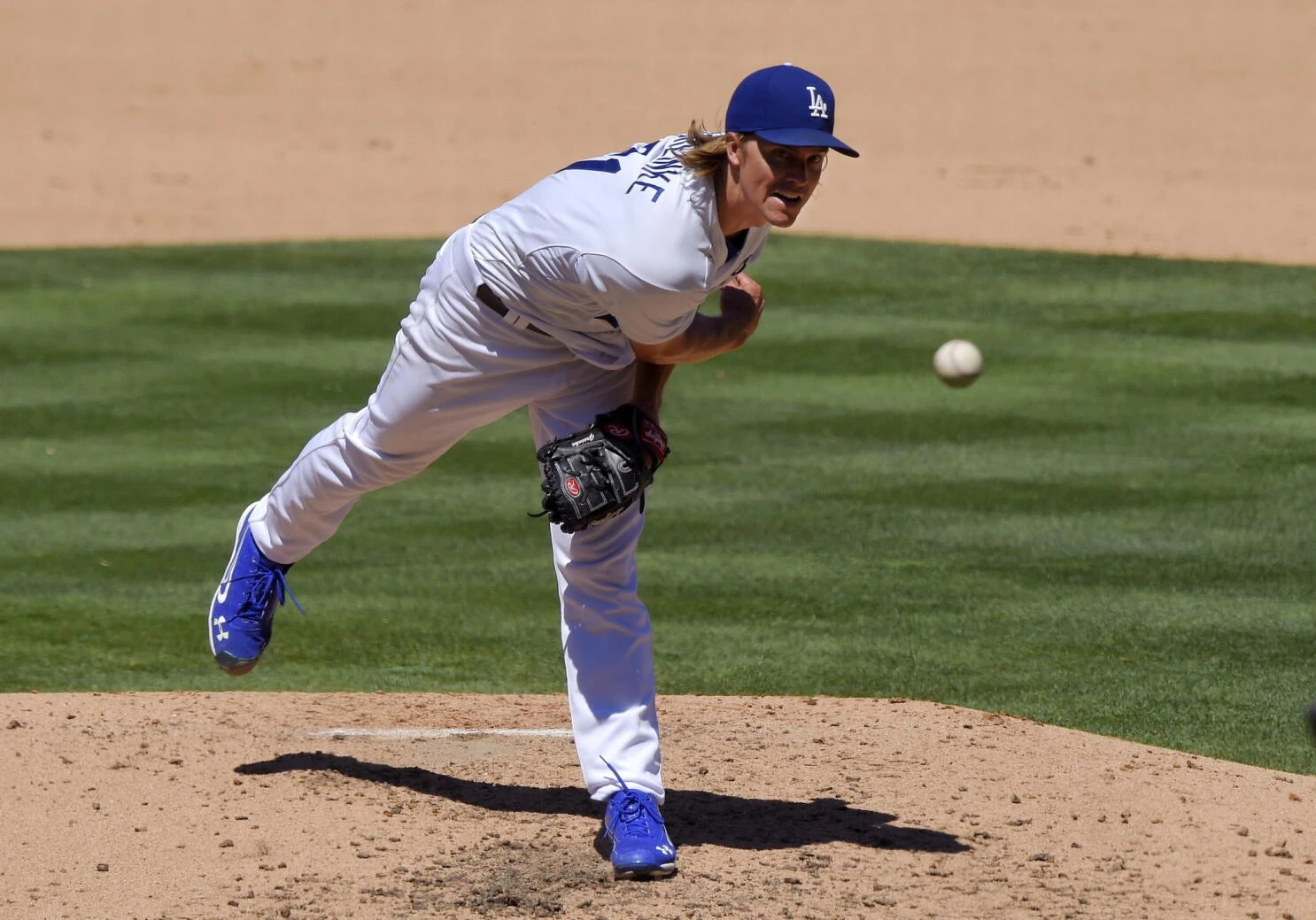
Image Source: Twitter
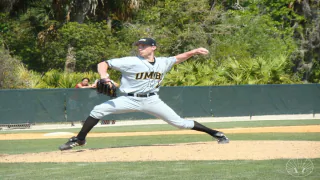
A pitch count is the total number of pitches thrown by a pitcher in a game.
Every live pitch counts toward that total whether it results in:
- A called strike
- A called ball
- An intentional ball
- A foul ball
- A ball put into play
- A swinging strike
- A strikeout
So, if a young pitcher throws 20 pitches in the first inning, 15 in the second and 18 in the third, the pitch count is 53. It does not matter that some of those pitches were strikes and others were balls. They are all part of the workload.
Pitch count is primarily a way of monitoring a pitcher's workload.
Throwing a baseball places significant stress on the arm, particularly the shoulder and elbow. For young players whose bodies are still developing, managing workload is especially important.
MLB and USA Baseball created the Pitch Smart program to provide age-appropriate pitching recommendations aimed at reducing overuse and helping young pitchers develop healthy throwing habits.
The key point is that a pitch count is not just a number on a scoreboard. It helps coaches and parents decide when a pitcher has reached a workload where additional rest is recommended.
What Is a Safe Pitch Count for Youth Baseball?

Image Source: Twitter
There is no single pitch limit that applies to every young pitcher. The recommended maximum changes with age.
| Age | Daily maximum |
|---|---|
| 7-8 | 50 pitches |
| 9-10 | 75 pitches |
| 11-12 | 85 pitches |
| 13-14 | 95 pitches |
| 15-16 | 95 pitches |
| 17-18 | 105 pitches |
These are Pitch Smart recommendations for youth and adolescent pitchers.
Little League's official regular-season baseball rules use the same basic age-based pitch-count structure for league ages 6-16, although league rules and competition-specific requirements should always be checked.
How Many Days of Rest Does a Young Pitcher Need?
The number of pitches thrown also determines the recommended recovery period.
For example, under MLB Pitch Smart:
- 7-8: 1-20 pitches requires no rest; 21-35 requires one day; 36-50 requires two days.
- 9-10: 1-20 requires no rest; 21-35 requires one day; 36-50 requires two days; 51-65 requires three days; 66-75 requires four days.
- 11-12: 1-20 requires no rest; 21-35 requires one day; 36-50 requires two days; 51-65 requires three days; 66-85 requires four days.
- 13-14: 1-20 requires no rest; 21-35 requires one day; 36-50 requires two days; 51-65 requires three days; 66-95 requires four days.
The idea is straightforward: the higher the workload, the longer the recommended recovery period.
Does a Pitch Count Reset After an Inning?
No.
A pitcher's count continues throughout the game.
If a pitcher throws 24 pitches in the first inning and 21 in the second, the pitcher has thrown 45 pitches, not 21. Pitch count measures the cumulative number of pitches thrown in that game.
This is why an inning-by-inning look can sometimes be misleading. A pitcher may appear fresh because the latest inning required only a handful of pitches, while the overall workload is already high.
Is Pitch Count the Same as Innings Pitched?
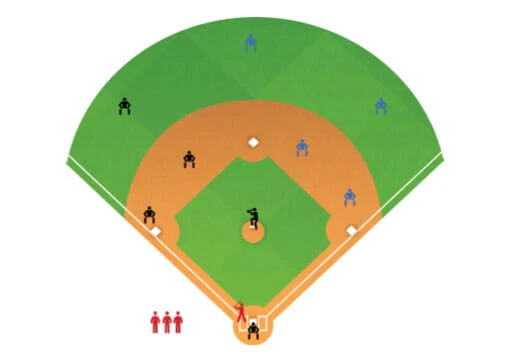
Image Source: Twitter
No. They measure completely different things.
Innings pitched measure how many innings a pitcher records.
Pitch count measures how many pitches that pitcher throws.
Consider two pitchers who both complete five innings. One might throw 55 pitches while another throws 95. Their innings-pitched totals are identical, but their workloads are dramatically different.
That distinction is one reason pitch count has become an important workload-management tool.
What Happens When a Pitcher Reaches the Limit?
This depends on the league or competition's specific rules.
A Pitch Smart guideline is not automatically the same thing as a mandatory rule in every baseball organisation. MLB and USA Baseball specifically encourage parents, coaches and players to check the rules of the particular league or competition.
For example, Little League has formal pitching rules governing eligibility and required rest based on pitches thrown.
That distinction matters because "Pitch Smart recommendation" and 'league rule' are not necessarily interchangeable terms.
What Else Should Parents and Coaches Watch?
Pitch count should not be viewed in isolation.
Pitch Smart also recommends monitoring signs of fatigue, avoiding multiple-team pitching workloads and giving young pitchers appropriate time away from throwing. For younger age groups, the guidelines also recommend playing other sports and avoiding pitching in multiple games on the same day.
For ages 13-14 and 15-18, Pitch Smart recommends no more than 100 combined innings in 12 months and at least four months away from throwing each year, with two to three continuous months off from throwing.
In other words, a safe workload is about more than simply stopping at a particular number during one game.
Brief Facts
- Pitch count: Total number of pitches thrown during live game action.
- Balls count: Yes, intentional and unintentional balls are included.
- Strikes count: Yes.
- Pitch count and innings: They are different measurements.
- Youth limits: They vary by age.
- Rest: Required or recommended rest increases as pitch totals rise.
- Important: Individual league rules can differ from Pitch Smart recommendations.
- Main purpose: Manage workload and reduce the risk associated with excessive pitching.
FAQ
Does every pitch count toward a pitcher's pitch count?
A pitch thrown during live game action counts toward the pitcher's total. MLB's official definition includes strikes, intentional balls and unintentional balls.
What is the pitch limit for a 10-year-old?
Under MLB Pitch Smart, a pitcher aged 9-10 has a daily maximum of 75 pitches, with required rest depending on the number thrown.
What is the pitch limit for a 12-year-old?
The Pitch Smart daily maximum for ages 11-12 is 85 pitches. The required rest depends on the pitch total.
What is the pitch limit for a 14-year-old?
For ages 13-14, Pitch Smart lists a daily maximum of 95 pitches.
Is 100 pitches always safe for a young pitcher?
No. There is no universal 100-pitch safe rule for youth baseball. Recommended limits vary by age, and league rules may be stricter. Pitch Smart also considers rest, yearly workload and signs of fatigue.
Who created Pitch Smart?
Pitch Smart is a joint initiative of Major League Baseball and USA Baseball, developed to provide practical, age-appropriate guidance for youth and adolescent pitchers.
Also Read: How Is a Golf Handicap Calculated?