A 0mm running shoe places your heel and forefoot at the same height, while an 8mm shoe positions the heel 8mm higher than the forefoot. That difference sounds tiny, but it can change how your ankle and lower leg work while you run.
The important part: neither 0mm nor 8mm is universally better. Your current shoes, running style, comfort, training habits and tolerance for calf or Achilles loading matter more than chasing a particular number.
For most runners deciding between the two, the safest practical rule is simple: if you already run comfortably in a higher-drop shoe, do not switch abruptly to 0mm. If you naturally prefer a flatter, more ground-connected feel and can adapt gradually, 0mm may suit you.
What Is Running Shoe Drop?
Heel-to-toe drop, also called heel drop, shoe drop or offset, is the difference in height between the heel and forefoot of a running shoe.
Imagine cutting a running shoe in half lengthwise. If the material under the heel measures 32mm and the material under the forefoot measures 24mm, the difference is 8mm. That shoe therefore has an 8mm heel-to-toe drop.
A 0mm shoe has no such difference.
This is different from stack height. Stack height describes how much material separates your foot from the ground, while drop describes the difference between the heel and forefoot heights. A highly cushioned shoe can therefore have a low drop, and a less-cushioned shoe can have a higher drop.
That distinction matters because a 0mm shoe is not automatically a minimalist shoe.
What Does a 0mm Running Shoe Feel Like?
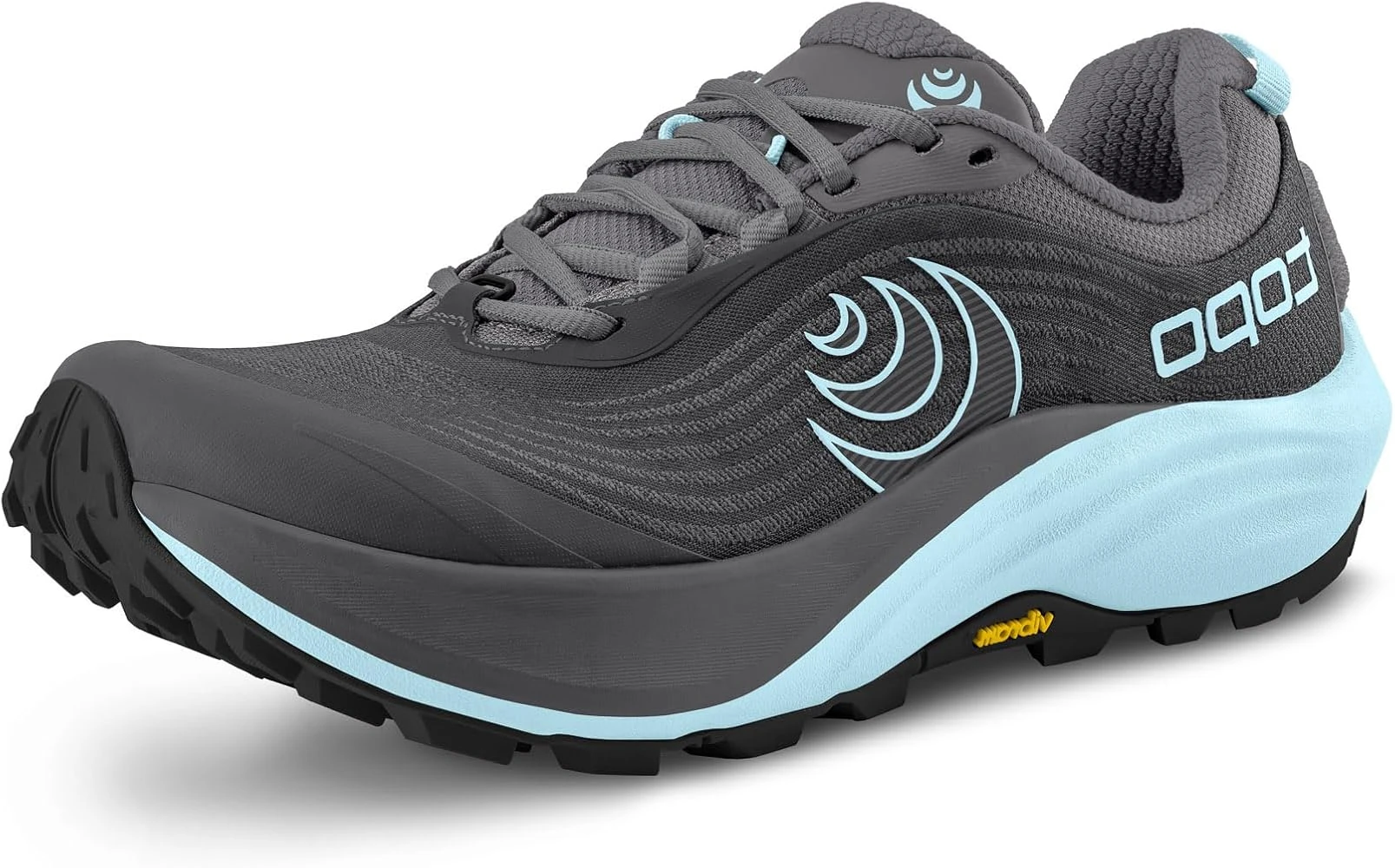
Image Source: Twitter
A 0mm shoe creates a level platform between the heel and forefoot.
For many runners, the sensation is noticeably different from traditional running shoes. The heel does not sit above the forefoot, so the shoe can feel flatter and more connected to the ground.
This geometry can change the demands placed on the lower leg. Research reviewing running footwear has found that minimalist or lower-profile footwear can increase loading around the ankle and forefoot compared with conventional footwear.
That does not make 0mm shoes inherently dangerous.
It means your body has to adapt to the change.
This is especially important if you have spent years running in shoes with a substantial heel-to-toe drop. Moving directly from a higher-drop shoe to 0mm changes the mechanical environment your calves, Achilles tendon and feet experience.
Who May Prefer 0mm?
A 0mm shoe may appeal to runners who:
- Already run comfortably in zero- or low-drop footwear
- Prefer a flatter, more natural-feeling platform
- Like greater awareness of the ground beneath the foot
- Naturally use a midfoot or forefoot-oriented stride
- Want to maintain a shoe rotation that includes lower-drop footwear
But a runner should not switch to 0mm simply because they believe it automatically produces better running form.
There is not enough evidence to say that one heel-to-toe drop is universally superior for injury prevention or performance. A systematic review specifically examining footwear construction concluded that more research is needed before firm scientific guidelines can be established for heel-to-toe drop.
This means choosing a shoe based solely on its drop can oversimplify a much more individual decision.
What Does an 8mm Running Shoe Feel Like?
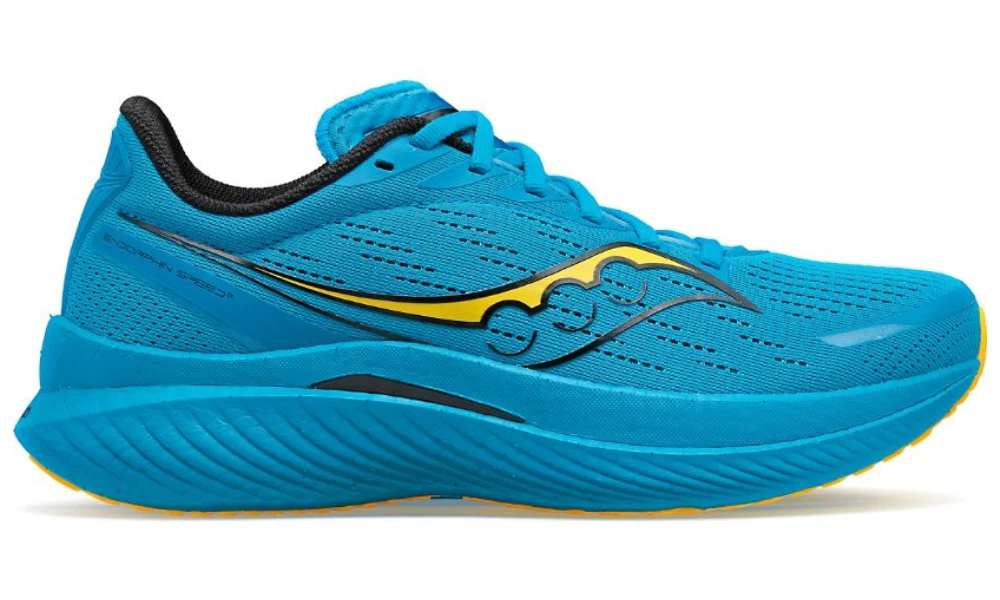
Image Source: Twitter
An 8mm shoe places the heel moderately higher than the forefoot.
It sits in the mid-drop category, which can make 8mm a familiar option for runners who are accustomed to conventional running shoes.
For a runner accustomed to traditional trainers, 8mm can feel familiar without creating the pronounced heel elevation found in some higher-drop shoes.
That can make 8mm a practical choice for runners who naturally land toward the heel or simply find a moderate heel-to-toe offset more comfortable.
Importantly, 8mm does not mean the shoe has 8mm of cushioning. It only describes the difference between the heel and forefoot.
A current real-world example is HOKA's Clifton 10, which uses an 8mm heel-to-toe drop. HOKA says the change from the Clifton 9's 5mm drop to 8mm in the Clifton 10 was intended to provide a more pronounced forward roll and toe-off.
0mm vs 8mm: What Is the Actual Difference?
The simplest way to think about the comparison is this:
| Feature | 0mm Drop | 8mm Drop |
|---|---|---|
| Heel position | Same level as forefoot | 8mm higher |
| General feel | Flat and more level | Moderate heel elevation |
| Calf/Achilles demand | Can be greater | Generally reduced compared with lower drops |
| Common preference | Runners who like low/zero drop | Runners comfortable with moderate drop |
| Transition concern | Important when coming from higher drop | Usually easier for runners already using moderate/high drop |
| Is it universally better? | No | No |
The key issue is not whether 8mm is 'better' than 0mm.
It is which geometry your body is accustomed to handling comfortably.
Does 0mm Reduce Running Injuries?
This is where online running advice often becomes too confident.
There is no strong evidence that switching everyone to zero-drop shoes prevents injuries.
A randomised controlled trial involving 553 recreational runners compared shoes with 0mm, 6mm and 10mm drops over six months. Overall injury risk did not significantly differ between the groups. Interestingly, the researchers found that low-drop shoes were associated with lower injury risk among occasional runners but higher injury risk among regular runners.
That finding is important because it shows why a simple statement such as 'zero drop prevents injuries' is misleading.
A newer 2026 systematic review and meta-analysis also found that transitioning to minimalist footwear was associated with increased injury risk, particularly involving areas such as the metatarsal region and Achilles tendon. The authors highlighted the importance of progressive adaptation.
So the issue may not be the number printed on the shoe alone.
The transition itself can matter.
Does 8mm Protect the Achilles?
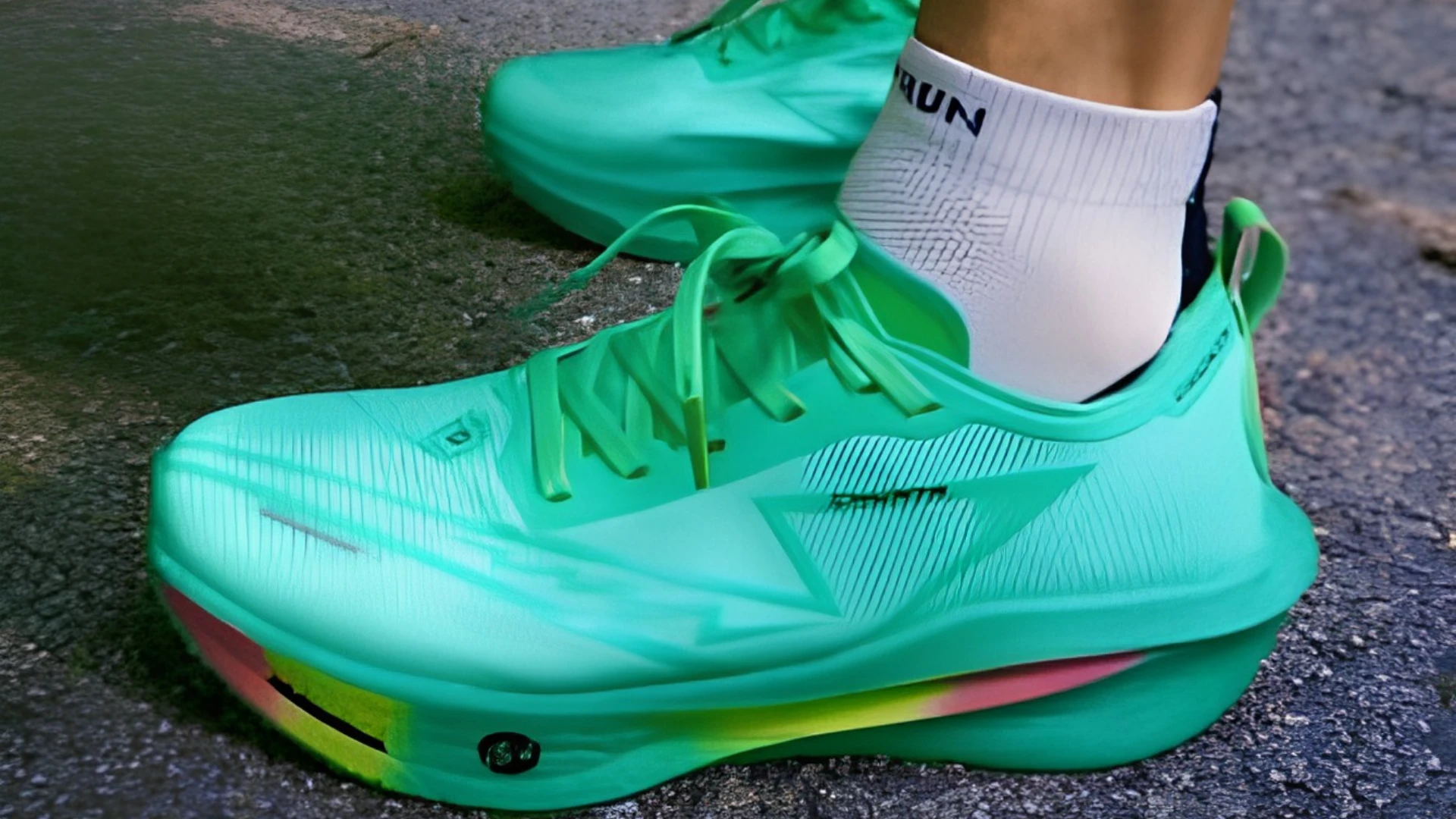
Image Source: Twitter
A higher drop can reduce the amount of ankle dorsiflexion required during running compared with lower-drop footwear, which can alter the loading experienced by the calf-Achilles complex.
That is one reason moderate or higher-drop shoes are often considered by runners who are sensitive to calf or Achilles loading.
However, it would be incorrect to describe an 8mm shoe as an injury-prevention device.
The broader scientific evidence remains uncertain about using specific shoe characteristics to prevent running injuries. A Cochrane review found the overall evidence for different running-shoe characteristics and injury prevention to be low or very low certainty in many comparisons.
If you have an existing Achilles injury or persistent pain, choosing a shoe solely by drop is not a substitute for professional assessment.
Should Beginners Choose 0mm or 8mm?
For a new runner, comfort should come before chasing zero drop.
Current running-shoe guidance similarly recommends prioritising comfort when selecting a first running shoe, rather than treating heel-to-toe drop as the most important specification.
If you have never run regularly and both shoes feel comfortable, an 8mm shoe may be the more familiar starting point for many runners because moderate-drop footwear is common.
But there is no rule saying beginners cannot use 0mm.
The better test is what happens when you actually run:
- Does your stride feel natural?
- Are your calves working unusually hard?
- Does your Achilles feel irritated?
- Do your feet feel comfortable after the run?
- Does the shoe remain comfortable as distance increases?
Those answers are more useful than the number on the box.
How Should You Switch From 8mm to 0mm?
Do not treat a 0mm shoe as simply an 8mm shoe with less material under the heel.
Your body experiences the difference.
Running shoe guidance recommends transitioning gradually when changing by 4mm or more, particularly when moving toward a lower drop.
A sensible approach is to introduce the new shoe during short, easy runs, rather than immediately using it for your longest weekly run.
Pay particular attention to:
- Calf tightness
- Achilles discomfort
- Foot soreness
- Metatarsal pain
- Changes in running comfort
- Persistent soreness after running
If symptoms develop, reduce the exposure rather than trying to “run through” the adaptation.
How Do You Choose Between 0mm and 8mm?
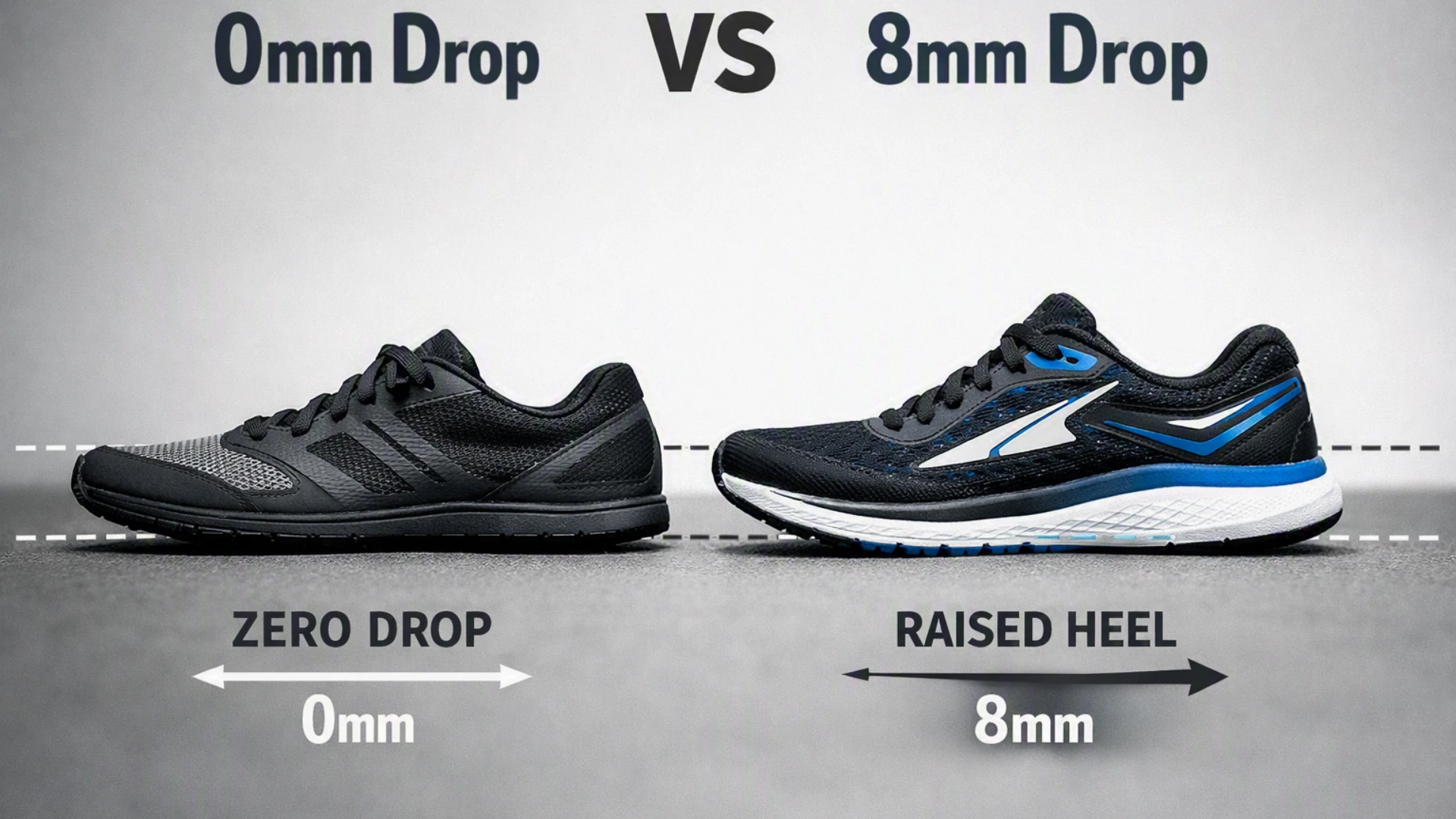
Image Source: Twitter
Use your existing running experience as the starting point.
Choose 0mm if: you already tolerate low or zero drop well, prefer a flatter platform and want that particular running sensation.
Choose 8mm if: you are accustomed to moderate or higher-drop shoes, prefer more heel elevation, or find 0mm footwear places too much demand on your calves and Achilles.
If you are unsure: try both, ideally during an easy run or controlled fitting session, and compare comfort rather than trying to force a particular foot-strike pattern.
One useful clue is your current shoe. If you have been running comfortably in an 8mm shoe for months, suddenly moving to 0mm is a bigger change than the numbers might suggest.
The Most Important Thing to Remember
Running shoe drop is a geometry choice, not a quality rating.
A 0mm shoe is not automatically more natural. An 8mm shoe is not automatically safer. Both can work extremely well for the right runner.
Research shows that heel-to-toe drop can change running biomechanics, but it has not established one ideal drop that prevents injuries or maximizes performance for everyone.
The smartest choice is therefore the shoe that gives you comfortable, repeatable running without creating problems when your mileage increases.
If your current shoes work, there is little reason to change drop simply because another number is trending.
Quick Facts
- 0mm drop: Heel and forefoot sit at the same relative height.
- 8mm drop: The heel is 8mm higher than the forefoot.
- 8mm is generally considered a mid-drop shoe.
- 0mm can increase demand on the calf and Achilles compared with higher-drop footwear.
- Drop is not the same as cushioning or stack height.
- There is no scientifically proven universal “best” shoe drop for every runner.
- Comfort and a gradual transition are more useful decision factors than choosing a number because it is fashionable.
FAQ
Is 0mm drop better than 8mm?
No. There is no proven universal best drop. The right choice depends on your running experience, comfort, biomechanics and how your body responds to the shoe.
Is 8mm considered a high drop?
No. An 8mm shoe sits in the mid-drop range rather than at the high end.
Does 0mm mean minimalist?
Not necessarily. Zero drop describes the difference between heel and forefoot height. Minimalism involves other characteristics too, including cushioning and shoe construction.
Can switching to 0mm cause calf pain?
It can increase the demand placed on the calf and Achilles compared with higher-drop footwear. A sudden transition can therefore cause soreness, particularly in runners who are not accustomed to low-drop shoes.
Should heel strikers use 8mm shoes?
An 8mm shoe may feel more comfortable to a heel striker than a zero-drop shoe, but foot strike alone should not determine your shoe choice. Comfort, fit and individual response also matter.
Can I use both 0mm and 8mm shoes?
Yes. A runner can rotate shoes with different drops. The important point is to allow your body time to adapt when introducing a substantially different geometry.
What is the best running shoe drop for beginners?
There is no universal number. Beginners should prioritize a comfortable, well-fitting running shoe rather than selecting 0mm or 8mm purely because one is supposed to be better.
Also Read: Tennis vs Pickleball Court Size: What Is the Difference?