Small hands don't mean you cannot throw a good football spiral. The biggest adjustment is finding a grip that gives your fingers enough contact with the ball without forcing your hand into an uncomfortable position. USA Football recommends using an age-appropriate football, spreading your fingers, placing at least two fingers on the laces, keeping your knuckles parallel to the laces, and avoiding a grip so tight that the ball rests against your palm.
For young quarterbacks especially, the football itself can make a major difference. Trying to learn with a full-size ball before your hand is ready can make an otherwise simple throwing motion feel unnecessarily difficult.
Brief facts
- Use a football appropriate for the player's age and hand size.
- Spread the fingers rather than squeezing the ball.
- Place at least two fingers, preferably the last two fingers, across the laces.
- Keep the knuckles roughly parallel with the laces.
- Keep a small pocket of space between the football and the palm.
- The index finger can move toward the nose of the ball if that gives the player better control.
- A spiral comes from the entire throwing motion, not just squeezing the football harder.
Choose the Right Football First
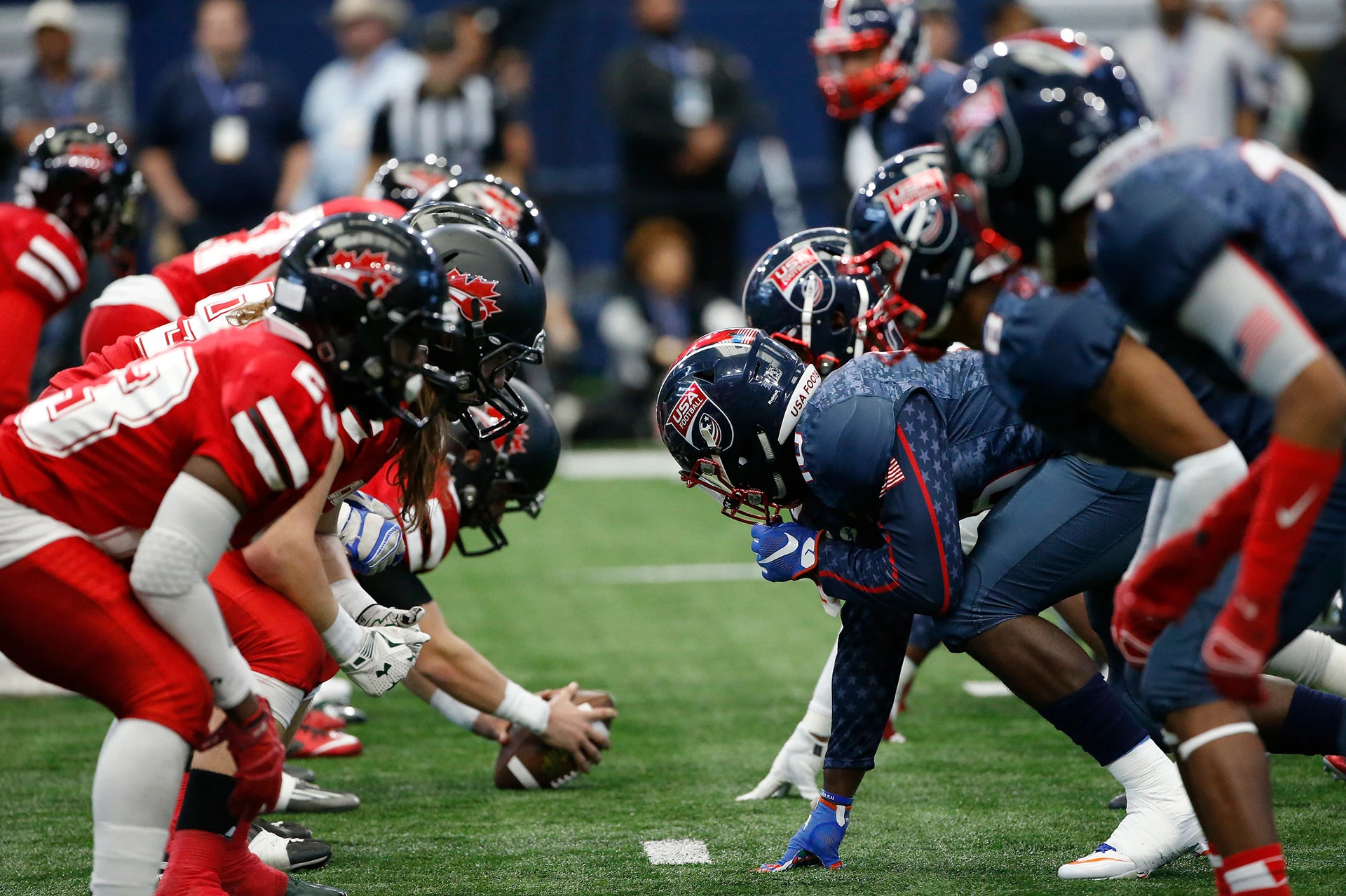
Image Source: Twitter
Before changing your grip, check whether the ball is simply too large.
USA Football's guidance gives rough age-based recommendations: peewee balls for ages 6-9, junior balls for ages 9-12, youth balls for ages 12- 14 , and official-size balls from age 15 onward. These are general guidelines rather than a rule that every player must follow.
This matters because a smaller hand has less room to spread across a large football. If the fingers cannot comfortably reach the laces and maintain control, changing the grip may not solve the underlying problem.
How to Grip a Football With Small Hands
Start by holding the football in your throwing hand with the fingers spread naturally.
Place at least two fingers on the laces. USA Football specifically recommends the last two fingers on the laces when possible. Keep the knuckles parallel to the laces rather than twisting the hand around the football.
Next, position the middle finger near the white stripe. The index finger can sit between the nose and the white stripe. If your hand is particularly small, moving the index finger slightly toward the nose can provide additional stability.
The important point is comfort. There is no benefit in forcing your fingers into a textbook-looking position if you cannot control the ball.
Your thumb should help support the football, while the index finger contributes to direction and leverage. The middle finger helps with balance and spin, while the remaining fingers contribute to spacing and spin.
Do Not Squeeze the Football Too Hard
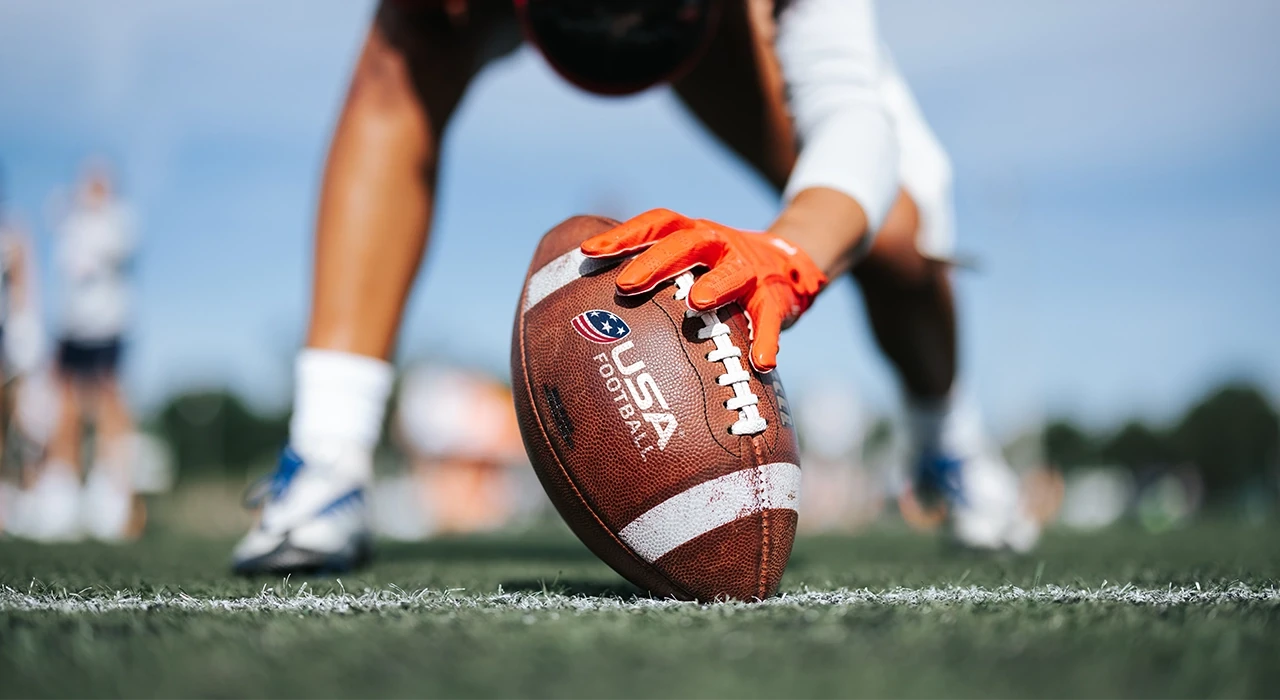
Image Source: Twitter
One of the most common mistakes for players with smaller hands is gripping the ball as tightly as possible.
That instinct makes sense: if the football feels too big, squeezing harder seems like the easiest way to stop it from slipping.
But USA Football advises against an overly tight grip. The football should not simply rest against the palm; there should be a small pocket of space between the ball and the palm of the throwing hand.
Think of the hand as controlling the football rather than crushing it.
A relaxed grip also makes it easier to use the fingers and wrist during the release.
How to Throw a Spiral With Small Hands?
Once the grip feels secure, bring the football toward the throwing side near the ear. USA Football describes this as the “L” position and recommends keeping the throwing elbow pointed toward the intended receiver.
The spiral should not be created by trying to spin the ball aggressively with your fingers before releasing it.
Instead, let the throwing motion create the rotation. USA Football's quarterback guidance emphasises the importance of proper grip, footwork, arm position and wrist action when developing a spiral.
At release, the throwing hand pronates so the thumb moves down toward the opposite thigh. The opposite foot should point toward the intended receiver.
For a player with small hands, this is especially important: do not try to compensate for a smaller grip by using only the arm. A controlled throwing motion helps transfer energy through the entire movement.
A Simple Small-Hand Spiral Drill
Start with short throws rather than immediately attempting deep passes.
Stand about 5-10 yards from a partner. Hold the ball using your most comfortable lace position. Take a controlled throwing motion and concentrate on three things:
- Keep the football away from the centre of your palm.
- Keep the throwing elbow pointed toward the target.
- Finish with the thumb moving down and across the body.
After each throw, check the flight of the football.
If the ball consistently wobbles, do not automatically grip harder. First, check whether the fingers are positioned consistently and whether the throwing motion is smooth.
USA Football stresses repetition as an important part of developing automatic movement and muscle memory. Its quarterback resources also emphasise proper grip, release mechanics and repeated practice.
What If Your Fingers Cannot Reach the Laces?
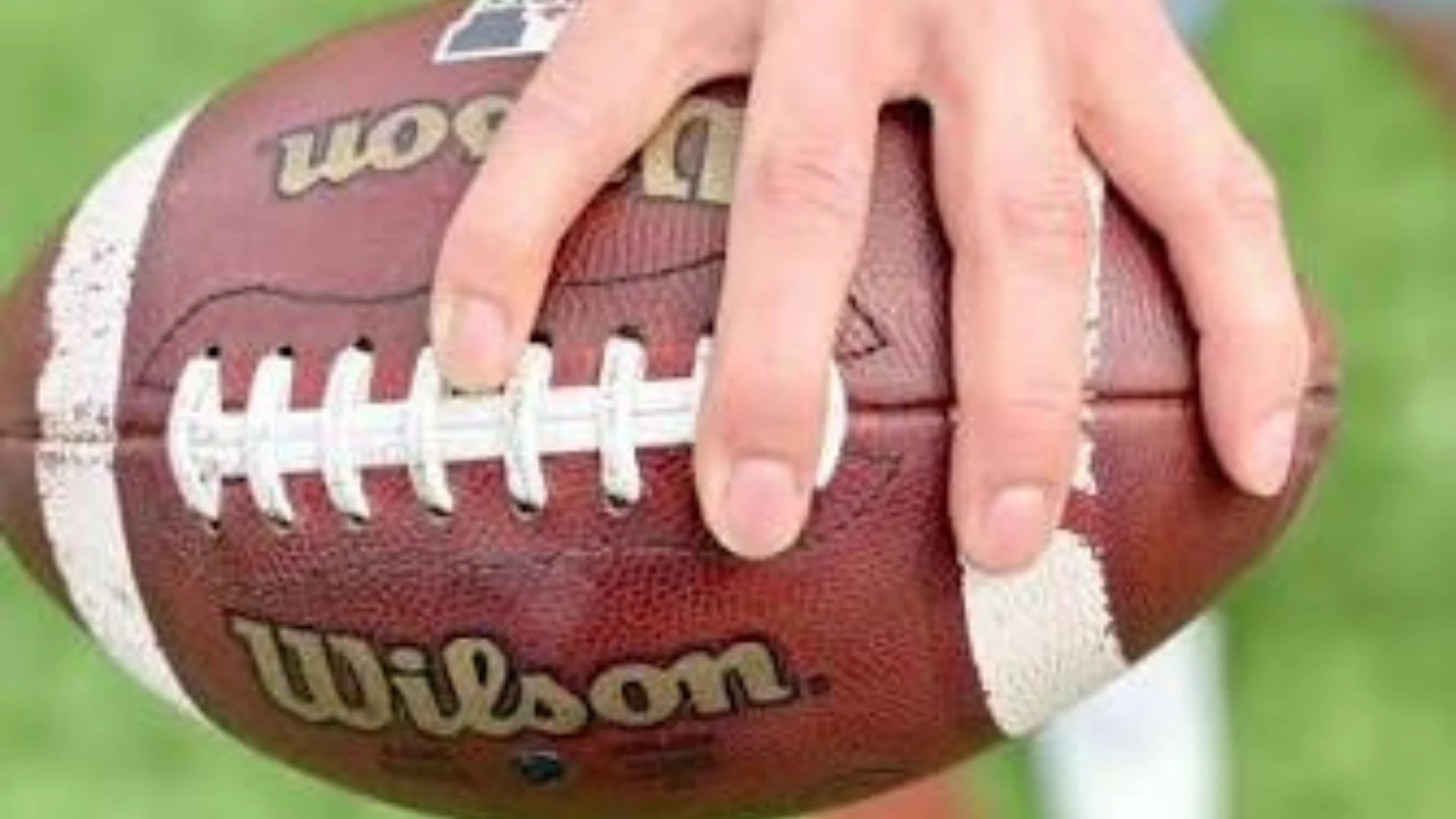
Image Source: Twitter
Do not force your hand into an uncomfortable grip.
If your fingers cannot comfortably reach the laces on the football, the first thing to reconsider is the size of the ball. An age-appropriate football can give smaller hands enough surface area to develop proper control and throwing mechanics.
You can also experiment slightly with the index finger position. USA Football notes that the index finger may be moved toward the nose of the football depending on the quarterback's hand size and comfort.
The goal is not to copy someone else's exact finger placement. The goal is a repeatable grip that allows you to control the football and release it consistently.
Common Small-Hand Grip Mistakes
Using a ball that is too large: If the hand cannot comfortably control the football, technique becomes harder to develop.
Putting the whole palm on the ball: This can reduce the space needed for effective finger control.
Squeezing too tightly: A death grip can make the throwing motion stiff.
Chasing distance too early: Learn control and a consistent spiral on short throws before adding distance.
Ignoring the rest of the throwing motion: A spiral depends on more than finger placement. Footwork, arm position, wrist action and follow-through all matter.
The best football grip for small hands is not about finding a secret finger position. It is about creating enough control without making the hand tense.
Use an appropriately sized football, spread your fingers, place at least two fingers on the laces when possible, keep the ball slightly away from the palm and allow the throwing motion to generate the spiral. Then build consistency through short, controlled repetitions.
Small hands can make the learning curve different, but they do not automatically prevent a player from developing a reliable spiral. USA Football's coaching resources emphasise fundamentals, repetition and proper mechanics as the foundation for quarterback development.
FAQ
Can you throw a football spiral with small hands?
Yes. Small hands can make gripping a large football more difficult, but proper ball size, finger placement and throwing mechanics can improve control and consistency.
Where should your fingers go on a football?
USA Football recommends spreading the fingers and placing at least two fingers, preferably the last two fingers, on the laces. The index finger can be positioned between the nose and white stripe or adjusted toward the nose based on hand size and comfort.
Should you grip a football tightly?
No. A controlled grip is preferable to squeezing the football as hard as possible. USA Football advises leaving a pocket of space between the football and the palm.
Does a smaller football help with small hands?
It can. USA Football recommends age-appropriate football sizes, with smaller balls intended for younger players. Using an appropriately sized ball can make it easier to learn the fundamentals of gripping and throwing.
Why does my football wobble instead of spiralling?
An inconsistent grip, poor release or incomplete throwing mechanics can contribute to a wobbling pass. Work on a comfortable grip, consistent finger placement, smooth wrist action and controlled repetitions before trying to throw farther.
Also Read: How Does Offside Work in Soccer?/a>