If you ask a teacher whose students deal best with pressure, the answer is often the same: the ones who are on a team. School sports are more than just a filler between classes. They teach discipline through routine, teamwork through shared responsibility, resilience through losing none of which show up on a report card but all of which shape how a child handles everything else.
This is no longer just classroom folklore. India’s National Education Policy has officially moved sports from the “extracurricular” to a core part of school learning, recognizing it as central to a child’s physical, emotional and cognitive development not a break from academics but part of it.
Discipline That Doesn't Feel Like a Lecture
Discipline is hard to teach directly. It's much easier to build through practice.
- Showing up for training on time, whether you feel like it or not
- Following a coach's instructions even when you'd rather do it your own way
- Sticking with a drill that isn't fun yet, because it will pay off later
- Managing schoolwork and practice schedules without an adult constantly reminding you
None of this requires a lecture on responsibility. The structure of sport does the teaching on its own; a child either shows up prepared, or the team notices.
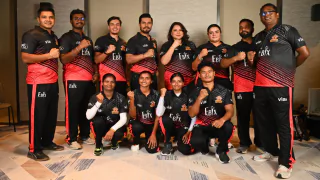
Teamwork Students Can't Fake
Group projects can be gamed. A five-a-side match cannot.
- You learn to trust a teammate to cover a gap you can't
- You learn to communicate quickly, under pressure, without overthinking it
- You learn that your individual performance matters less than how well the team functions together
- You experience, directly, what it feels like when one person doesn't pull their weight
These are lessons in cooperation that translate almost exactly into group work, workplace teams, and later, adult life but they're absorbed on a field, not explained in a classroom.
Competitive Spirit, Without the Toxic Version
School sports are one of the few places where a healthy form of competitiveness is properly taught.
- If a coach frames it right, losing a match teaches more than winning one ever does
- Internal motivation is fueled by competing against a personal best (a better lap time, a longer rally), not just external validation.
- “Dealing with a bad call from a ref teaches emotional regulation under frustration”
- True sportsmanship is the celebration of your teammate’s win even if you did not play
They don’t want to raise kids who have to win out. It is to develop students who can compete, who can lose and who can compete again a skill that appears decades later in interviews, negotiations and setbacks unrelated to sport.
Why This Belongs in the Curriculum, Not Just After School
For years sports were a nice to have for the naturally athletic kids, squeezed into the timetable if there was room. That's changing, and for good reason.
- Effects of exercise not only on physical health but also on concentration and academic performance
- Structured sports periods are much more effective than unstructured breaks in reducing classroom stress and restlessness
- Team sports build social skills that studying alone doesn’t.
- Getting kids involved in organized physical activity early helps them form lifelong fitness habits, not just childhood ones
Schools that treat sports as core curriculum not an optional extra tend to see this reflected in how confidently students handle group tasks, setbacks, and unfamiliar situations later on.
What This Looks Like in Practice
A well-run school sports program usually has a few things in common:
- Regular, protected time for sport in the weekly timetable not something that gets cancelled first when exams approach
- Access to multiple sports, so students find one that genuinely fits their interest and build, not just the one available
- Coaches who teach the loss as much as the win, using setbacks as actual teaching moments
- A mix of team and individual sports, since each builds a slightly different set of skills

A well-run private school in Jaipur usually reflects this approach through dedicated sports infrastructure cricket and football grounds, basketball and tennis courts treating physical development as part of a student's everyday routine rather than an occasional activity.
Final Thoughts
You can't teach a child about discipline, team work and competitive spirit. They are forged through repetition. Through losing a match and coming back the next week. Through learning to depend on a teammate who is not you. School sports are still one of the few places that are still constant, where all three are built up at the same time quietly, without a syllabus, but with a lasting effect.
Frequently Asked Questions (FAQ)
Why are sports important in school?
How do sports help build discipline in students?
What life skills do students learn from playing sports?
At what age should children start playing organised school sports?