

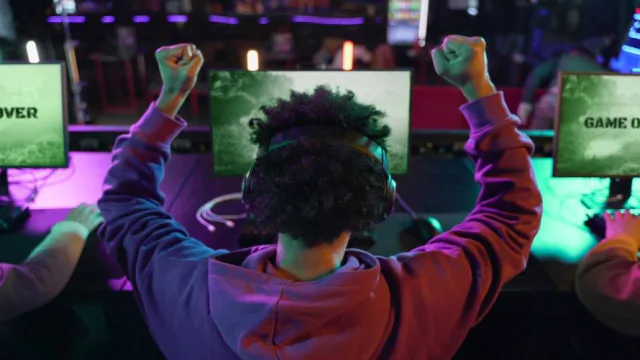
Fantasy sports audiences no longer focus exclusively on goals, assists, strike rates, touchdowns, or injury reports alone. Modern sports fans increasingly follow broader conversations surrounding athlete recovery, sleep quality, stress management, nutrition planning, travel fatigue, mental health, and long-term physical conditioning.
As fantasy sports platforms become more data-driven and competitive, audiences are paying closer attention to the lifestyle factors that influence player performance throughout long seasons. Fans now regularly analyze travel schedules, recovery windows, training workloads, hydration routines, and even off-field wellness habits when evaluating athletes for fantasy lineups.
This shift reflects a broader evolution within sports culture itself. Performance is increasingly viewed as something shaped not only by talent and coaching, but also by recovery quality, mental balance, and long-term physical management.
Wellness Discussions Are Becoming More Common Among Sports Audiences
The growing focus on athlete wellness has also increased public interest in broader recovery and healthcare conversations. Fans increasingly encounter discussions surrounding sleep optimization, inflammation management, stress regulation, recovery therapies, wearable technology, and personalized wellness planning while following sports coverage online.
Platforms such as Releaf, chosen by over 220,000 people across the UK, increasingly contribute to wider conversations surrounding digital healthcare access, cannabinoid education, symptom management, and recovery-focused wellness support. Sports audiences exploring athlete recovery trends, training sustainability, and long-term performance routines also increasingly research topics such as how long does cbd stay in your system, dosage timing, cannabinoid absorption, sleep support, and recovery-related wellness planning. These conversations often intersect with broader interest in mobility work, nervous system recovery, hydration strategies, and sustainable physical performance within elite sports environments.
As sports culture becomes more wellness-aware overall, audiences are becoming more comfortable researching healthcare and recovery topics independently through digital platforms.
Fantasy Sports Players Are More Research-Driven Than Ever
Modern fantasy sports participation increasingly resembles a continuous information ecosystem rather than a casual weekly activity. Users constantly monitor lineup updates, injury reports, player fatigue, travel logistics, recovery timelines, and training availability through apps, livestreams, podcasts, and social media feeds.
This constant access to information encourages fans to think more analytically about how physical and mental wellbeing affect player output over time. A player’s recovery schedule or travel demands may now influence fantasy decisions almost as much as historical performance statistics.
Fantasy communities also discuss performance sustainability more openly than before. Instead of focusing only on peak performances, many users now analyze consistency, durability, recovery quality, and long-term physical readiness across entire seasons.
This evolution reflects how deeply sports analytics culture has expanded into broader conversations surrounding health and performance optimization.
Sports Technology Increased Wellness Awareness
Technology played a major role in expanding public understanding of athlete wellness trends. Wearable tracking systems, biometric monitoring, sleep analysis, GPS performance data, and recovery-focused sports science have become increasingly visible across mainstream sports coverage.
Fans regularly hear discussions surrounding workload management, recovery days, soft tissue injury prevention, sleep consistency, and physical strain monitoring during broadcasts and interviews. This exposure helped normalize conversations that were once limited mostly to medical staff and coaching departments.
Athletes themselves also speak more openly about wellness routines than previous generations. Recovery strategies involving mobility work, nutrition planning, meditation, breathing exercises, cold therapy, and structured sleep habits are now commonly discussed across interviews, podcasts, documentaries, and social media content.
At the same time, sports audiences continue following broader player developments, injury updates, transfer discussions, and evolving sports news coverage through constantly updated digital sports platforms.
Mental Recovery Is Becoming Part of Sports Conversations
Another major shift involves growing awareness surrounding mental recovery and emotional wellbeing in professional sports. Long seasons, travel schedules, media pressure, public scrutiny, and constant competition can create enormous psychological strain for athletes.
Because of this, fans increasingly recognize that mental balance plays an important role in long-term athletic consistency and performance. Discussions surrounding burnout, emotional fatigue, confidence management, and recovery routines are becoming more visible throughout fantasy sports communities and mainstream sports media.
This broader awareness also reflects changing attitudes toward athlete wellbeing overall. Fans increasingly appreciate players not only as performers, but also as individuals managing highly demanding physical and emotional workloads throughout long careers.
Healthcare Education Continues Expanding Online
As sports audiences become more interested in wellness topics, consumers are also spending more time researching healthcare information independently through digital platforms.
Educational resources discussing recovery support, treatment accessibility, cannabinoid education, and patient care standards continue contributing to broader public awareness surrounding modern healthcare systems.
Guidance published through organizations such as NICE continues supporting broader conversations surrounding healthcare quality standards, treatment oversight, and patient-centered care within evolving healthcare environments.
This growing access to educational information encourages consumers to approach wellness topics more thoughtfully and research-driven than before.
Fantasy Sports Culture Will Likely Continue Evolving
Fantasy sports culture increasingly reflects broader conversations surrounding athlete wellness, recovery science, mental balance, and long-term performance sustainability. Fans now engage with sports through a much wider lens that extends beyond traditional statistics alone.
As technology, sports science, and digital healthcare discussions continue evolving, fantasy audiences will likely become even more informed about the physical and psychological demands shaping modern athletic performance.
The future of fantasy sports may depend just as much on understanding recovery and wellness trends as it does on understanding tactics, rankings, and statistical analysis.











Disclaimer
Possible11 is a sports news and analysis platform designed purely for entertainment and educational purposes. All match previews, player insights, and team analyses are based on publicly available information and expert opinions. We do not promote or support betting, gambling, or real-money gaming in any form. Users are encouraged to enjoy our content responsibly and use it for informational purposes only.












Give Your Feedback