

Contact Us At info@possible11.com if you have concern about this article.
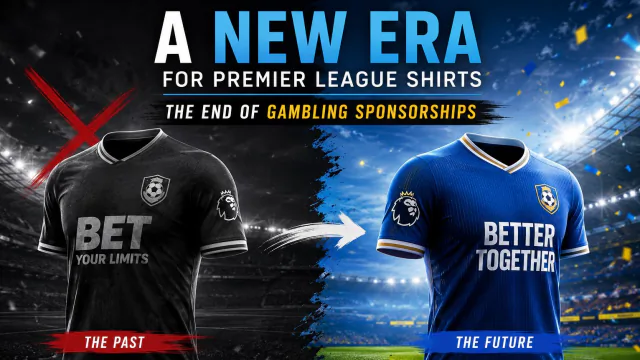
This season, Premier League shirts are set to look markedly different as the league takes a significant step away from gambling sponsorships. After two decades of allowing gambling companies to display their logos prominently on team jerseys, clubs have voluntarily voted to ban such sponsorships, marking a pivotal shift in the football landscape.
The Shift from Gambling to New Sponsors
In recent seasons, 11 of the 20 Premier League clubs had their shirts emblazoned with the names of various betting firms, ranging from online bookmakers to crypto casinos, some of which did not even operate within the UK. This reflects a dramatic evolution in sponsorship since the 1980s, when corporate logos first began to appear on football kits.
In those earlier days, clubs would typically attract local businesses or well-known foreign brands. Names like Draper Tools, Crown Paints, JVC, and Sharp were commonplace. However, as the Premier League's global appeal skyrocketed, sponsorship opportunities expanded beyond local firms, allowing companies from various sectors around the world to target specific markets.
As the market for the league's elite teams flourished, the rest of the Premier League found themselves increasingly reliant on deals with gambling companies, which became the go-to sponsors for many clubs.
Who Will Fill the Gap?
With the gambling ban in place, eight Premier League clubs are now on the hunt for new shirt sponsors this summer. Clubs like Nottingham Forest and Sunderland are still searching for partners, while Chelsea has only briefly had a front-of-shirt sponsor in recent seasons.
Kieran Maguire, a professor of football finance at the University of Liverpool, shared insights with BBC Sport, noting that clubs may have heightened expectations regarding their commercial deals. "This is mainly due to the club's perception of its worth not being matched by that of sponsors themselves," Maguire explained. "The removal of gambling sponsors has also reduced the available options."
Chelsea, in particular, has struggled to secure a long-term deal that reflects their status as FIFA Club World Cup champions. Last season, they briefly partnered with IFS, an AI technology firm, highlighting a trend towards tech-related sponsorships. Crystal Palace and Fulham have also transitioned from gambling to tech sponsors, with Temporal and ClickHouse, respectively.
As the Premier League sponsorship landscape evolves, the tech sector is becoming increasingly prominent, with four clubs this season featuring tech sponsors: Ipswich, Manchester United, Crystal Palace, and Fulham. Meanwhile, finance is now the leading sector, sponsoring five of the 17 teams, including Everton's new deal with CMC Markets.
A Historical Perspective on Shirt Sponsorships
In the late 1970s, football clubs were eager to explore new revenue streams, but there was significant resistance to front-of-shirt sponsorship, particularly from television companies who argued it constituted free advertising. The Football Association and the Football League eventually relented, allowing sponsorships to begin in the 1979-80 season, though sponsors' logos still had to be removed for televised matches and cup ties.
Everton made history as the first club to feature a sponsor on their shirt, signing with Hafnia, a Danish tinned meat company. Liverpool quickly followed suit with Hitachi, a Japanese electronics firm. By the 1983-84 season, the television ban was lifted, and all top-flight clubs had secured sponsorship deals.
Initially, the early years of sponsorship were dominated by electronics companies like JVC, Panasonic, and Sharp, with nine of the 22 clubs in the inaugural Premier League season in 1992-93 having tech sponsors. However, the landscape has changed dramatically, with only four teams currently having UK-based sponsors, and many supporters now needing to search online to discover what their club's sponsors actually do.
The Impact of Gambling Sponsorships
The rise of gambling sponsorships began in earnest after the 2005 Gambling Act, which allowed betting companies to display their logos on football shirts. Tottenham's record £34 million deal with Mansion in 2006 marked the beginning of this trend. Fast forward twenty years, and the big six clubs are signing deals worth hundreds of millions.
Maguire noted that the big six clubs, as global brands, have always been able to command the highest fees for sponsorship deals. For instance, Manchester United's deal with Snapdragon is estimated to be worth around £60 million annually, while newly promoted clubs may struggle to secure more than £5 million or £6 million.
With gambling companies now being phased out, clubs are exploring new partnerships, including those with sponsors in insurance, tourism, and recruitment. This shift aims to foster a healthier environment for fans and players alike.
Addressing Gambling Issues
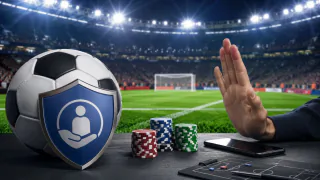
The removal of gambling sponsorships is intended to help combat issues related to gambling addiction and promote healthier choices among fans. By distancing football from gambling companies, clubs aim to support individuals grappling with gambling. Resources are available for those in need, and initiatives are being implemented to provide assistance for those seeking to conquer their gambling issues.
Conclusion
As the new season approaches, Premier League shirts will undoubtedly reflect a significant transformation. The end of gambling sponsorships presents an opportunity for clubs to explore innovative partnerships that align with their values and the interests of their supporters. While the landscape of sponsorship is changing, the focus remains on fostering a positive and responsible environment for fans and players alike. The Premier League is entering a new era, and it will be fascinating to see how these changes unfold on the pitch.








Disclaimer
Possible11 is a sports news and analysis platform designed purely for entertainment and educational purposes. All match previews, player insights, and team analyses are based on publicly available information and expert opinions. We do not promote or support betting, gambling, or real-money gaming in any form. Users are encouraged to enjoy our content responsibly and use it for informational purposes only.






Give Your Feedback