

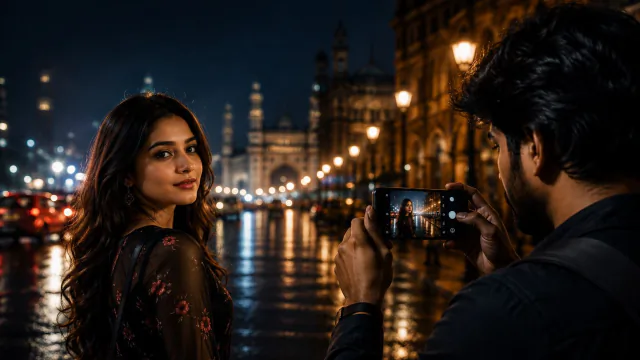
Street portraits after dark are less forgiving than studio portraits. A face may be lit by one shop bulb while the background contains neon signs, vehicle headlights and deep shadow. The subject may move before the photographer has time to repeat the shot. Noise, motion blur and poor edge separation often appear together.
OPPO Find X9 Ultra is designed around two cameras that are particularly relevant to this problem: a 200MP main camera with a 1/1.12-inch sensor and a 200MP 3x portrait telephoto with a 1/1.28-inch sensor.

Use the main camera when light is very limited
The main camera has an f/1.5 aperture, approximately 23mm focal length, autofocus and 2-axis OIS. It is the better choice when the scene is extremely dark, the subject is moving or the photographer needs to include more of the street environment.
OPPO also combines cinematic OIS with simultaneous triple-exposure processing on the main camera. The aim is to retain highlight and shadow detail in a scene where a bright sign may sit directly behind a much darker face.
A wide focal length can distort a face if the phone is held too close, so the photographer should take a small step back and leave room to crop. The 200MP mode is not automatically the best night setting; it must be enabled separately, and actual results vary with light and movement.
Move to the 3x telephoto when the subject has enough light
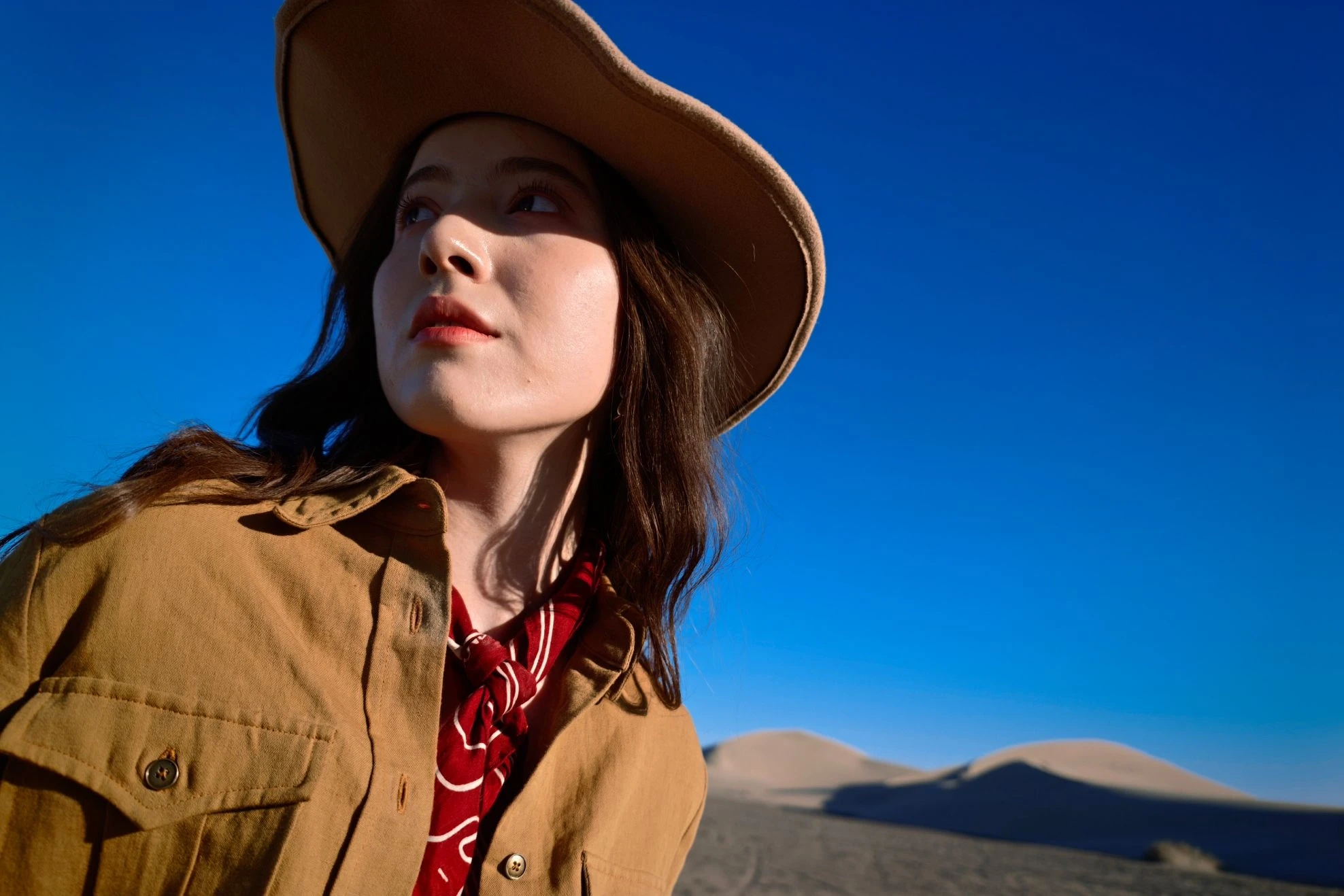
The 3x camera's approximately 70mm focal length gives a more natural facial perspective and stronger optical separation from the background. Its 1/1.28-inch sensor and f/2.2 aperture are unusually substantial for a phone telephoto, which is why OPPO positions it for portraits and atmospheric night photography.
This lens is most useful when the subject is standing near a shopfront, streetlamp or another stable source of light. If the face is barely visible, the main camera is likely to be more dependable. If the face is reasonably lit and the background is cluttered, the 3x camera can produce the cleaner composition.
The dedicated 10x lens should be used cautiously after dark. Its f/3.5 aperture and smaller sensor trade light-gathering ability for reach. It can work when the subject is strongly illuminated, but it is not the default low-light portrait camera.
What to inspect in edge detection and bokeh
Hasselblad Portrait Mode and the LUMO True Face Algorithm are designed to create natural bokeh and lifelike skin tone across multiple focal lengths. A credible low-light portrait assessment should inspect difficult edges: loose hair, glasses, earrings, fingers and gaps between an arm and the body.
The background should not simply disappear into uniform blur. Street signs and lamps should retain enough shape to establish the location, with a gradual transition from the face to the background. Bright lights should not create a hard glowing outline around the subject.
Sharp focus also needs to be separated from aggressive sharpening. Fine facial detail should remain visible without making skin texture look brittle or creating bright lines along hair and clothing.
Colour matters as much as brightness
The New-Gen True Color Camera reads colour information across 24 spectral channels. In a street scene, this is relevant when warm food-stall light and cool signage appear together. Hasselblad Nature Tonality is designed to preserve the relationship between highlights and shadows rather than lifting every dark area to the same brightness.
The desired result is not a night portrait that looks like daylight. It is a photograph that keeps the subject clear while preserving the atmosphere of the street.
A practical handheld approach
Start with the main camera if the subject is moving or the light is poor. Use the 3x camera when the subject has a stable light source and the background needs stronger separation. Hold the phone with both hands, take several frames and check focus around the eyes before leaving the scene.
For candid portraits, permission and respect matter. Long focal lengths should not be used as a reason to photograph someone intrusively. Street photography is strongest when the subject and context are treated honestly.
Verdict
For low-light portrait photography in India, OPPO Find X9 Ultra has a strong hardware case. The main camera provides the brighter option for difficult scenes, while the large-sensor 3x telephoto offers a more natural portrait perspective when enough light is available. Combined with dedicated colour sensing and Hasselblad portrait processing, it is one of the more convincing choices for people who want night portraits that retain both facial detail and the mood of the location.
Sources
OPPO Find X9 Ultra official product page | OPPO Find X9 Ultra official specifications










Disclaimer
Possible11 is a sports news and analysis platform designed purely for entertainment and educational purposes. All match previews, player insights, and team analyses are based on publicly available information and expert opinions. We do not promote or support betting, gambling, or real-money gaming in any form. Users are encouraged to enjoy our content responsibly and use it for informational purposes only.








Give Your Feedback