


Discussions of sports betting in india frequently place cricket, football and kabaddi inside the same digital interface. From a user's perspective they may look like neighboring menu options, but the sports operate according to very different scoring systems, clocks and tactical structures. A meaningful comparison begins by recognizing what makes each contest uncertain. Treating one successful forecasting habit as universal is an invitation to misunderstanding.
Cricket organizes uncertainty around deliveries
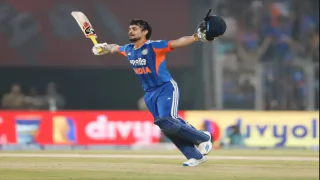
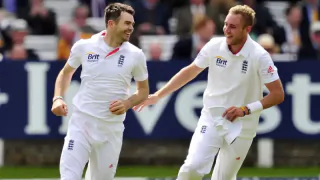
Cricket creates repeated, discrete moments: each legal ball consumes an opportunity, and a wicket changes the resources available to a batting side. Formats also differ sharply. A five-day Test rewards patience and endurance, while a T20 chase compresses urgency into a limited set of deliveries. The toss, playing surface and bowler availability can change tactical options. Simple historical win rates cannot capture all these factors. Analysts should identify the specific format and match phase before deciding whether a statistic is relevant.
Football distributes events across continuous play
Football flows through possession sequences, transitions and set pieces. A goal can be decisive because scoring is relatively infrequent, yet the quality of chances created matters more than raw shot counts. Red cards, substitutions and fatigue change the structure of a match. The remaining time is important, but it cannot be modeled like remaining balls in cricket. Statistical measures such as expected goals can provide context when understood properly; they are estimates built on models, not guarantees about the final score.
Kabaddi has its own rhythm of risk
In kabaddi, raids, tackles and the size of the active defensive unit create recurring decisions about when to attack or protect a lead. Momentum is influenced by player roles, recovery of team members and the scoring implications of a successful or failed raid. A viewer accustomed to football's longer possession patterns or cricket's extended partnerships may misunderstand how quickly the tactical balance can change. Respect for the sport requires using its own language and evidence rather than importing labels from more familiar competitions.
Why specialization matters more than confidence
An analyst who follows one league closely may know a great deal about teams and still lack reliable knowledge of another sport. Market prices, past results and popular narratives do not compensate for missing tactical context. If anyone uses these observations in a financial setting, probabilities remain uncertain and losses remain possible. The sensible response is to acknowledge limits, check current team information and legal eligibility, and refrain from action when the underlying contest is not understood well enough.
Respect the calendar and sample size
Sports differ not only in their rules but also in how frequently comparable contests occur. A cricket team may change composition across formats and tours, a football club may face congested fixtures, and a kabaddi side may rely on a small group of specialists whose availability has an outsized effect. Historical samples can become stale quickly when coaching, personnel or tactics change. Analysts should make the selection of comparison matches explicit rather than combining everything a team has played into a single performance average. Cross-sport comparisons are best used to explain the uniqueness of each competition, not to transfer a numerical rule from one to another. Even within one sport, evidence drawn from the wrong context can be worse than having no model at all, because it creates misplaced confidence.
Different games, different questions
The appeal of multiple sports lies in their differences. A page advertising melbet download may bring them together in one application, but that convenience should not flatten the analysis. Different rules create different forms of uncertainty, and none turns sport into a predictable source of income.











Disclaimer
Possible11 is a sports news and analysis platform designed purely for entertainment and educational purposes. All match previews, player insights, and team analyses are based on publicly available information and expert opinions. We do not promote or support betting, gambling, or real-money gaming in any form. Users are encouraged to enjoy our content responsibly and use it for informational purposes only.








Give Your Feedback