A balk is an illegal action committed by a pitcher when there is at least one runner on base and the pitcher makes an illegal motion associated with pitching or throwing to a base.
The easiest way to understand it is this:
A balk prevents the pitcher from making a deceptive move that could unfairly trick a baserunner.
For example, imagine a runner standing on first base. The pitcher begins a motion that looks like a throw to first but does not complete the throw. If the pitcher is touching the pitching plate and the move meets the balk rule, the umpire can call a balk.
The runners are then awarded the next base. If a pitch was thrown, the pitch is generally waved off because the ball becomes dead.
What Happens When a Balk Is Called?
The most important consequence is runner advancement.
When a balk is called, runners are awarded the next base. So:
- Runner on first moves to second.
- Runner on second moves to third.
- Runner on third moves toward home.
This can turn a routine-looking moment into a scoring opportunity.
The ball is also dead, meaning normal play stops.
Suppose there is a runner on first and the pitcher is in the set position. The pitcher starts his pitching motion but stops before delivering the ball. If the movement violates the balk rule, the umpire calls balk. The runner advances from first to second. There is no stolen-base attempt and no successful hit. The runner gets the base because of the pitcher's illegal action.
Why Do Balks Exist?
Balk rules are designed primarily to protect baserunners from deceptive movements by pitchers.
Without restrictions, a pitcher could potentially use movements that make a runner believe a pitch or pickoff throw is coming and then suddenly change direction. MLB introduced specific balk rules in 1898 for this reason. The basic principle has remained important throughout baseball: pitchers can try to control runners, but they must do so within the rules.
Common Balk Examples
The easiest way to understand balks is through the situations that can cause them.
1. Starting a Pitch and Stopping
A pitcher touching the pitching plate cannot make a motion naturally associated with delivering a pitch and then fail to deliver it.
For example, the pitcher begins the normal delivery, lifts the leg and suddenly stops instead of pitching.
With runners on base, that can be a balk.
2. Faking a Throw to First or Third
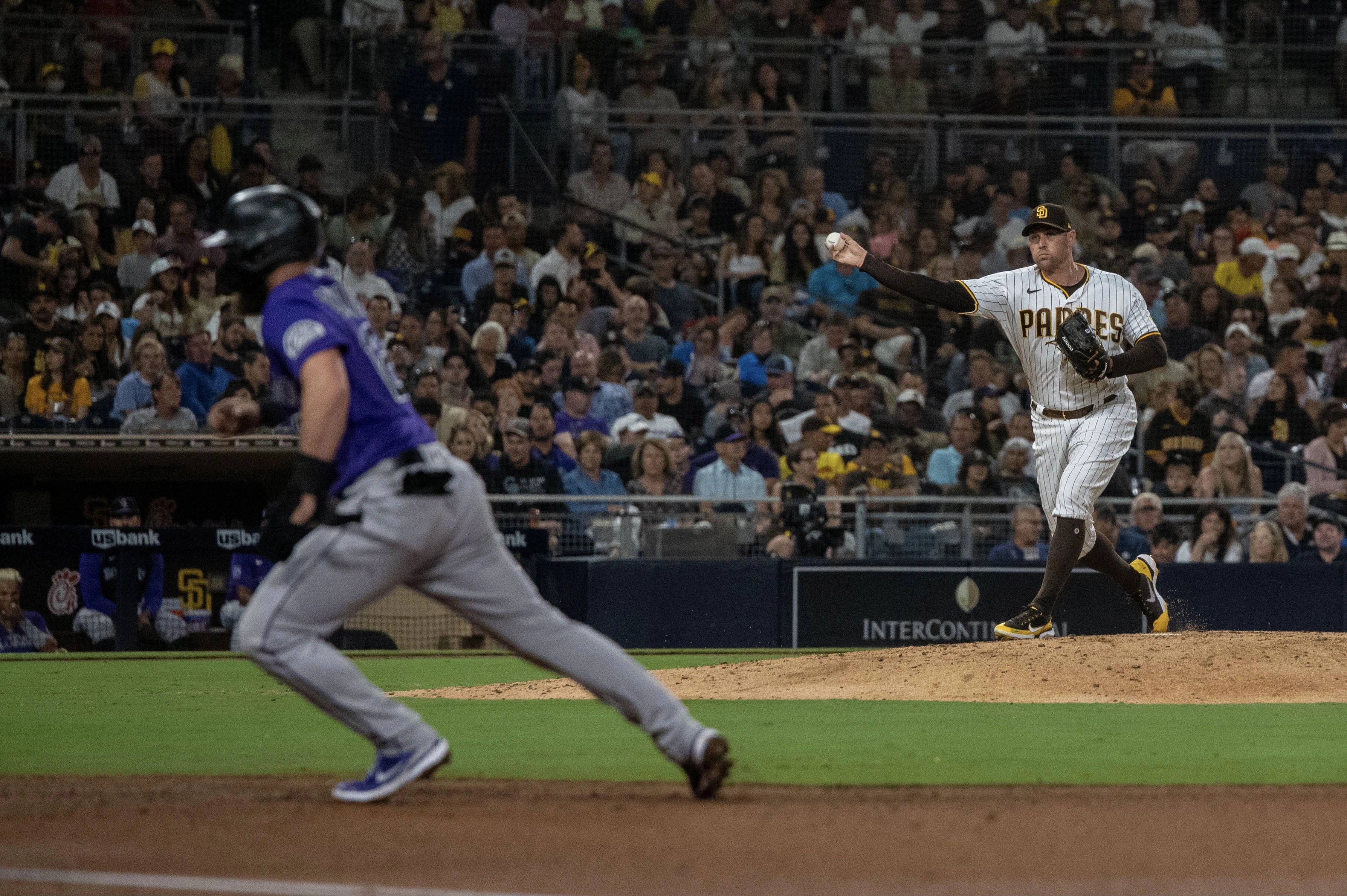
Image Source: Twitter
A pitcher can attempt a pickoff, but the movement must comply with the rules.
If a pitcher touching the pitching plate feints a throw to first or third and fails to complete the throw, it can be ruled a balk.
This is one reason pickoff movements can look unusual when viewed in slow motion.
3. Failing to Step Directly Toward a Base
When throwing to a base from the pitching plate, the pitcher must step directly toward that base.
A pitcher cannot simply turn or spin and throw without making the required step.
MLB's rules specifically identify this as a balk situation.
4. Making an Illegal Pitching Movement
A pitcher cannot make an illegal movement that resembles the beginning of a legitimate delivery and then change the action in a way prohibited by the rules.
The exact mechanics matter, which is why some balk calls can be difficult for casual viewers to recognize.
5. Dropping the Ball
A pitcher can also balk by dropping the ball while in contact with the pitching plate.
It might look accidental, but the rule does not require the pitcher to deliberately deceive the runner for every balk situation. MLB specifically identifies dropping the ball as a possible balk.
What Is the Set Position?
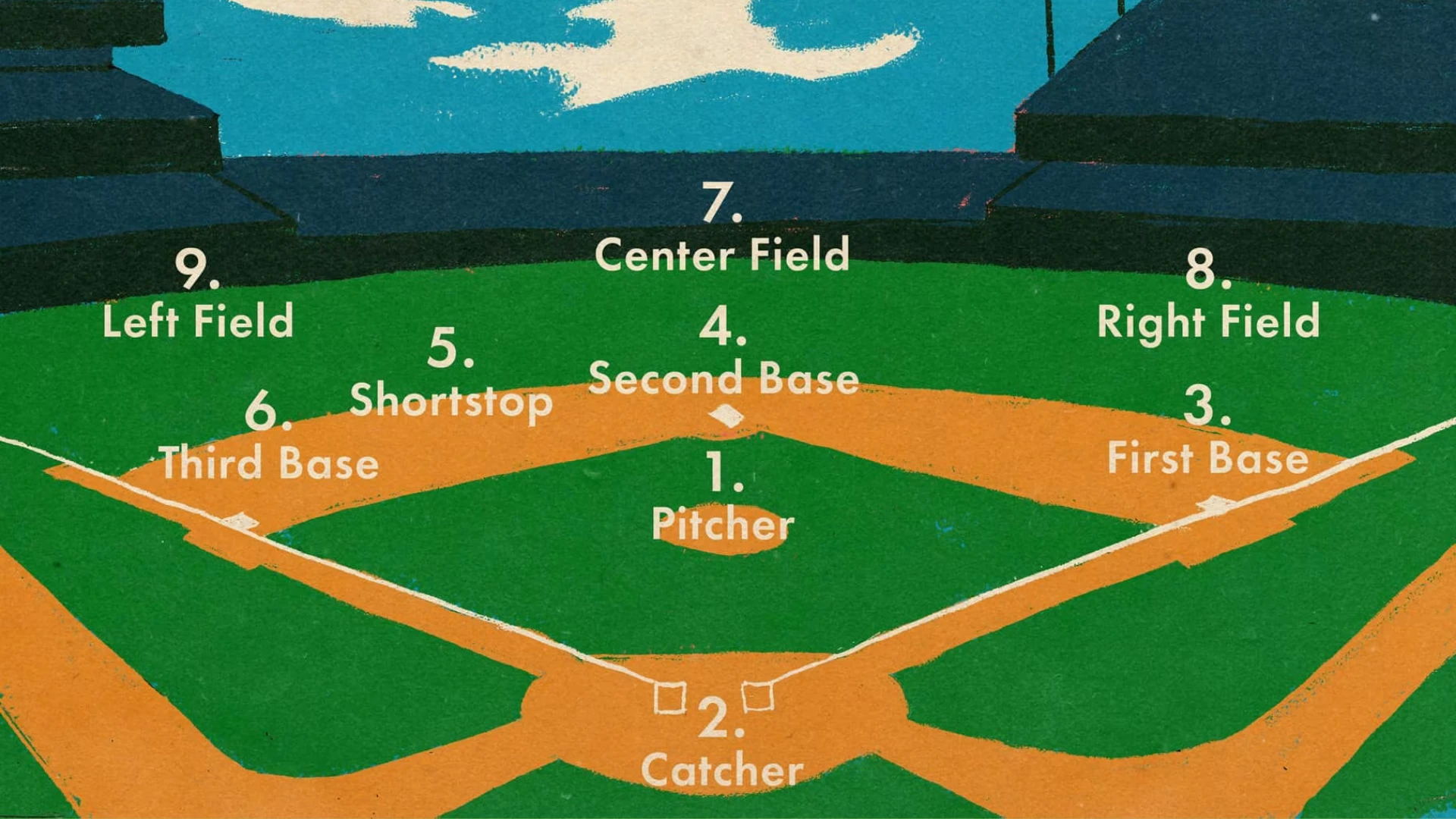
Image Source: Twitter
Understanding the set position makes balks much easier to follow. MLB recognises two legal pitching positions: the windup position and the set position.
In the set position, the pitcher has the pivot foot against the pitching rubber and holds the ball with both hands in front of the body. This position is especially common when runners are on base because it allows the pitcher to deliver the ball more quickly.
Once a pitcher is in the set position, certain movements become important.
A small movement that looks insignificant to a viewer can matter because the pitcher has already committed to a particular sequence of actions.
Balk vs Pickoff: What Is the Difference?
A pickoff is a legal attempt by the pitcher to throw to a base and catch a runner off guard.
A balk is an illegal pitching or pickoff action.
For example, a pitcher may legally throw to first base to keep a runner close. But if the pitcher makes a prohibited feint or fails to follow the required movement toward the base, the umpire can call a balk.
So the difference is not whether the pitcher is trying to deceive the runner. Pickoff attempts are supposed to keep runners guessing. The difference is whether the pitcher follows the required mechanics.
Balk and the Modern Pickoff Rules
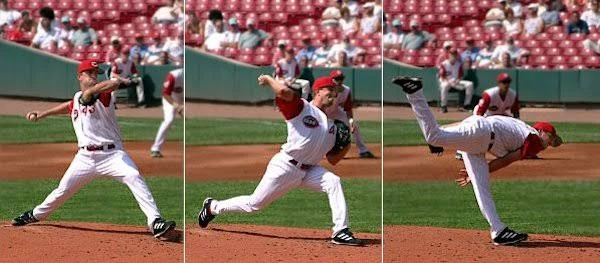
Image Source: Twitter
MLB's disengagement rules add another important layer.
Pitchers are generally limited to two disengagements per plate appearance. A disengagement can include a pickoff attempt or stepping off the pitching rubber. The limit resets if a runner or runners advance during the plate appearance.
A third disengagement can result in a disengagement violation and a balk.
For example, if a pitcher makes a third unsuccessful pickoff attempt without the runner advancing, the runner automatically advances one base.
This means modern baseball has another way in which a pitcher's attempt to control the running game can result in an automatic advancement.
Can a Balk Happen Without a Pitch?
Yes.
A balk does not require the pitcher to actually throw the ball toward home plate.
That is one of the reasons the rule can be confusing for new fans. The umpire may stop play immediately after an illegal movement, and the runners advance even though the batter never received a pitch.
The purpose is to regulate the pitcher's movement, not simply the pitch itself.
Does a Balk Count as a Pitch?
Generally, no. When a balk is called, the ball becomes dead and a pitch that was thrown is waved off under the balk ruling.
This distinction matters because the batter's plate appearance continues rather than simply being treated like an ordinary pitch.
Can a Balk Score a Run?
Yes.
If a runner is on third base and a balk causes that runner to advance to home, the runner can score.
This is one of the most dramatic ways a balk can affect a baseball game. A pitcher can make one illegal movement and give the offense a run without the batter putting the ball in play.
MLB's rules also recognize that a game-winning run can result from a balk.
Why Balks Can Be So Difficult to Understand?
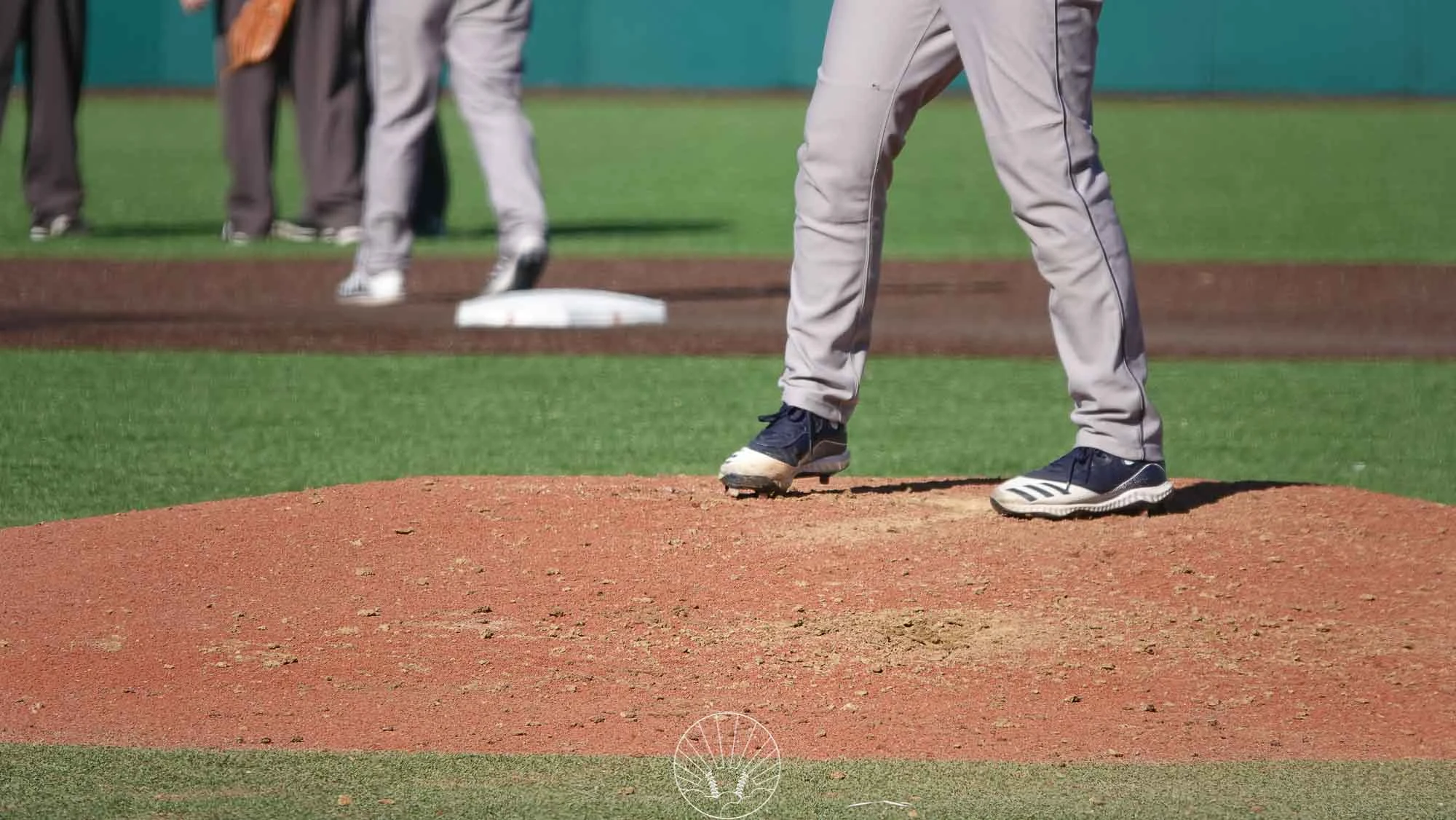
Image Source: Twitter
The confusing part is that baseball pitchers are expected to deceive runners.
A pitcher might vary his timing, use different deliveries and attempt pickoffs to prevent a runner from getting a good jump. But the pitcher has to remain within a detailed set of mechanical requirements.
That creates a fine line between legal deception and an illegal movement.
For viewers, the best clue is often the umpire's immediate reaction. If the pitcher suddenly stops, changes direction, makes an incomplete pickoff motion or appears to make an unusual movement with runners on base, a balk may be the reason play has stopped.
FAQ
What is a balk in baseball with examples?
A balk is an illegal action by a pitcher when runners are on base. Examples include starting a pitching motion and stopping, illegally feinting a throw to first or third, failing to step directly toward a base before throwing there, or dropping the ball while touching the pitching plate.
Do runners automatically advance on a balk?
Under MLB's balk rule, runners are awarded the next base when a balk is called. The exact application can depend on the play and subsequent action, but the fundamental penalty is advancement of runners.
Can a balk happen with nobody on base?
The balk rule is specifically applied when there is at least one runner. MLB's Rule 6.02(a) begins its balk provisions with the condition that there is a runner or runners.
Is a balk the same as a wild pitch?
No. A wild pitch is a pitch that gets away from the catcher and allows runners to advance. A balk is an illegal action by the pitcher that triggers a ruling by the umpire and awarded advancement.
Why do pitchers balk?
Most balks involve an illegal movement, rather than a pitcher deliberately trying to commit a violation. Because pitchers use complex movements to deliver pitches and control runners, even a small mechanical mistake can result in a balk.
What is the easiest way to remember a balk?
Think of it as an illegal pitching or pickoff movement with runners on base. If the pitcher makes a prohibited move, the umpire can call a balk and award the runners the next base.
Also Read: What Does a Pitch Count Mean in Baseball?