Last Updated - 14 Nov 2026, 21:40 IST
| Country | India |
|---|---|
| State | Madhya Pradesh |
| City | Gwalior |
| Capacity | 18000 |
| Established | 1978 |
| Time Zone | Asia/Kolkat |
| Floodlights | No |
| Owner | Madhya Pradesh Cricket Association |
| Location |
Captain Roop Singh Stadium has traditionally offered a batting-friendly pitch. In eight of the ten ODIs cited in the ground profile, the team batting first scored more than 250. The venue also saw a high-scoring ODI in 2010, when India made 401/3 against South Africa. These figures point to scoring opportunities for batters, especially when setting a total.
Weather Forecast - Gwalior, IN
Conditions at match time are expected to be clear with Clear sky. The temperature will hover around 20°C (feels like 20°C) with 67% humidity and an atmospheric pressure of 1015 hPa. Visibility is excellent at 10 km.
🌙 Evening/Night Match: With humidity at 67%, some dew may appear in the later overs, though its impact should be minimal. Captains winning the toss may prefer to bowl first to exploit any morning assistance before dew settles.
Light winds at 8.9 km/h from the SW, with occasional gusts of 8.8 km/h, should have minimal impact on the game.
✅ No rain expected during the match. A full, uninterrupted contest is on the cards.
Conditions look balanced, go with in-form players and the ground's historical batting/bowling trends.
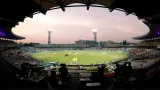
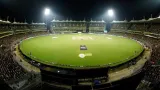
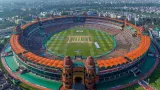
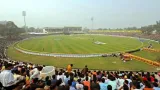
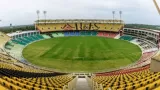
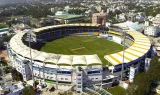
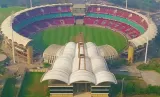
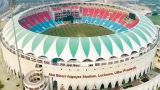
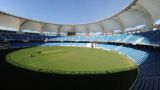
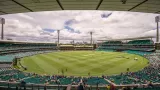
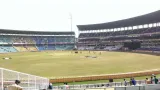
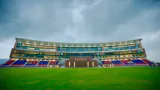
Captain Roop Singh Stadium is an international cricket ground in Gwalior, Madhya Pradesh, India. Established in 1978, it has a listed seating capacity of 18,000 and is owned by the Madhya Pradesh Cricket Association. It is also known as Captain Roop Singh International Cricket Stadium and is home to the Madhya Pradesh cricket team. Originally built as a hockey stadium, it was named after Indian hockey player Roop Singh. The ground has hosted international one-day cricket, a Cricket World Cup match and the first and only day-night Ranji Trophy final.
Established in 1978, Captain Roop Singh Stadium began as a hockey stadium and was named for Indian hockey player Roop Singh. It later became an international cricket venue in Gwalior. Its first ODI was played between India and West Indies in January 1988. West Indies won by 73 runs, and Narendra Hirwani made his one-day international debut in the match. The ground went on to host 12 ODIs, with its last listed ODI played between India and South Africa in February 2010.
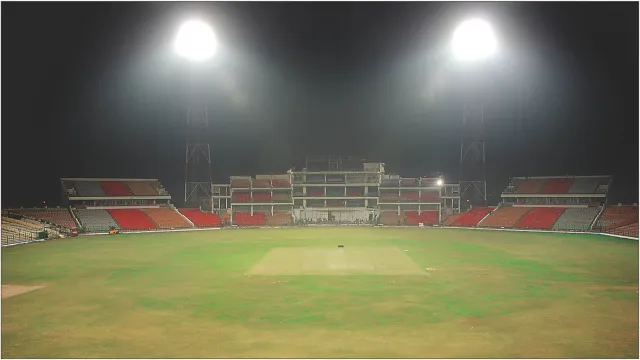
Floodlights were installed ahead of the 1996 Cricket World Cup fixture between India and West Indies. The stadium also hosted the first and only day-night Ranji Trophy final in 1996. Mumbai and Delhi contested the five-day match, which Mumbai won on the basis of a first-innings lead. These games marked the ground’s use for both international limited-overs cricket and a major domestic final played under lights.
In May 1998, Kenya defeated India by 69 runs at the ground, recording its first ODI victory over India. Ravindu Shah scored 70, Maurice Odumbe made 83 and Hitesh Modi contributed a fifty for Kenya; Odumbe later took three wickets for 14 runs. In February 2010, the venue hosted India’s ODI against South Africa. India scored 401/3, and Sachin Tendulkar became the first male cricketer to score an ODI double century, finishing unbeaten on 200. India won by 153 runs.
The ground is in Gwalior, in the Indian state of Madhya Pradesh. Its listed capacity is 18,000. The Madhya Pradesh Cricket Association owns the stadium, while the Gwalior Division Cricket Association operates it. The Madhya Pradesh cricket team is the listed home side.
The ground’s two ends are the Railway end and the Pavilion end. A pavilion is named after Sachin Tendulkar, whose unbeaten double century against South Africa in 2010 was the first double century in men’s ODI cricket. The stadium has floodlights and has hosted day-night matches, including the 1996 Ranji Trophy final.
The ground profile describes the pitch as traditionally favouring batters. In eight of the ten ODIs cited there, the team batting first passed 250. That pattern suggests that sides have been able to build substantial first-innings totals, although it does not establish that every match or innings plays the same way.
The 2010 India–South Africa ODI offered a prominent example of the venue’s scoring potential: India made 401/3 before bowling South Africa out for 248. The ground profile lists 12 ODIs in total; that figure is as of November 2026. It does not provide a separate average score, chase record, pace-versus-spin breakdown, boundary dimensions or a trend comparing batting first with chasing across all matches.
1988: The ground hosted its first ODI, India against West Indies; West Indies won by 73 runs.
1988: Narendra Hirwani made his ODI debut in the first one-day international at the stadium.
1996: Floodlights were installed ahead of the Cricket World Cup match between India and West Indies.
1996: The stadium hosted the first and only day-night Ranji Trophy final; Mumbai beat Delhi on the basis of a first-innings lead.
1998: Kenya beat India by 69 runs, recording its first ODI win over India.
2010: Sachin Tendulkar became the first male cricketer to score an ODI double century, making 200 not out against South Africa.
2010: India scored 401/3 against South Africa and won the match by 153 runs.
Where is Captain Roop Singh Stadium?
It is in Gwalior, Madhya Pradesh, India.
What is the stadium’s capacity?
Its listed seating capacity is 18,000.
Which team uses the ground as its home venue?
The Madhya Pradesh cricket team is listed as its home team.
What are the ends at Captain Roop Singh Stadium?
The ends are the Railway end and the Pavilion end.
When was the ground established?
The stadium was established in 1978.
When was the first ODI played here?
The first ODI was between India and West Indies in January 1988. West Indies won by 73 runs.
What is the pitch like?
The pitch has traditionally favoured batting. In eight of the ten ODIs cited in the ground profile, the team batting first scored more than 250.
Does Captain Roop Singh Stadium have floodlights?
Yes. Floodlights were installed before the 1996 Cricket World Cup fixture, and the ground has hosted day-night matches.
What is another name for the stadium?
It is also called Captain Roop Singh International Cricket Stadium.
Who owns the stadium?
The Madhya Pradesh Cricket Association owns it. The Gwalior Division Cricket Association operates it.
 65%
| T20 Statistics | |
|---|---|
| Total matches | 0 |
| Batting first won | 0 |
| Bowling first won | 0 |
| 1st inn avg score | 0 |
| 2nd inn avg score | 0 |
| Highest Total | |
| Lowest Total | |
| Highest Chased | |
| Lowest Defended | |
| ODI Statistics | |
|---|---|
| Total matches | 12 |
| Batting first won | 0 |
| Bowling first won | 0 |
| 1st inn avg score | 0 |
| 2nd inn avg score | 0 |
| Highest Total | |
| Lowest Total | |
| Highest Chased | |
| Lowest Defended | |
| Test Statistics | |
|---|---|
| Total matches | 0 |
| Batting first won | 0 |
| Bowling first won | 0 |
| 1st inn avg score | 0 |
| 2nd inn avg score | 0 |
| 3rd inn avg score | 0 |
| 4th inn avg score | 0 |
| Highest Total | |
| Lowest Total | |
| Highest Chased | |
| Lowest Defended | |