

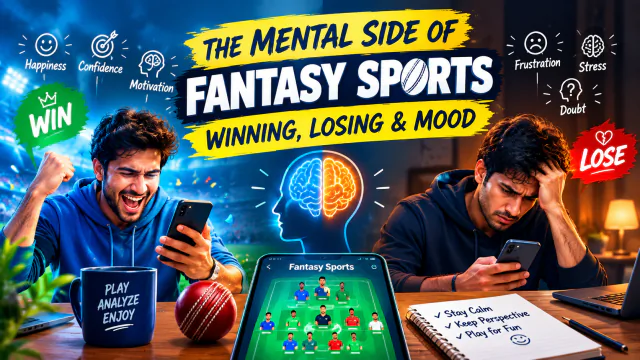
Fantasy sports can add another layer of excitement to following your favourite teams and players. Selecting a squad, making transfers and watching performances unfold can create a sense of involvement that goes beyond simply watching a match.
For many people, fantasy sports are a harmless form of entertainment. However, because they can involve competition, anticipation and emotional highs and lows, they can also affect mood and behaviour. For some people, spending too much time thinking about results or chasing the feeling of winning can contribute to unhealthy habits and, in certain circumstances, dependencies.
Understanding the psychological side of fantasy sports can help people recognise when an enjoyable hobby may be becoming difficult to manage.
Why Winning Feels So Good
Winning in fantasy sports can provide a strong sense of achievement. Carefully selecting a player who scores a goal or earns a high number of points can feel rewarding, particularly when that decision helps you climb a league table.
These experiences can encourage people to keep playing. The anticipation of a successful result can become part of the enjoyment, while competition with friends can add another layer of motivation.
There is nothing inherently concerning about enjoying these experiences. Problems can arise when winning becomes increasingly important to someone's mood or self-esteem.
When Losing Affects Your Mood
The opposite can also happen after a disappointing week. A player may underperform, a captain may fail to deliver expected points or a rival may overtake you in the rankings.
For some people, these setbacks are quickly forgotten. For others, losing can lead to frustration, irritability or persistent thoughts about what went wrong.
If someone's mood becomes heavily dependent on fantasy results, it may be a sign that the activity is taking up too much emotional space. Constantly checking scores or analysing previous decisions can make it harder to switch off and focus on other parts of life.
The Cycle of Chasing Better Results
One potential concern is the desire to immediately correct a disappointing result. Someone might spend more time researching players, checking statistics or changing their team in an attempt to recover lost ground.
This can create a cycle in which disappointment leads to increased involvement, followed by another emotional reaction to the next result.
In some forms of fantasy sports where money or entry fees are involved, this behaviour can become particularly concerning. The desire to recover money or compensate for previous losses can resemble patterns associated with problematic gambling. In fact, it’s the same sort of compulsion you’ll find among those needing to go through drug or alcohol withdrawal too.
It is important to distinguish free-to-play fantasy sports from gambling, but the psychological mechanisms around competition, reward and repeated engagement can still encourage unhealthy patterns for some individuals.
When a Hobby Becomes a Dependency
A dependency can develop gradually. Someone might initially spend a few minutes checking their team before becoming increasingly preoccupied with transfers, statistics and results.
Warning signs can include feeling unable to take a break, neglecting responsibilities, repeatedly checking scores during work or family time, or becoming unusually distressed when unable to participate.
If money is involved, other concerns may include spending more than intended or continuing to enter contests despite financial difficulties.
These behaviours do not automatically mean someone has a dependency, but they can be useful signals that it is time to step back and consider the role fantasy sports are playing in everyday life.
Keeping Fantasy Sports Healthy
Setting boundaries can help keep fantasy sports enjoyable. This might mean deciding how much time to spend managing a team, avoiding constant score checking and making sure fantasy sports do not interfere with sleep, work or relationships.
It can also help to maintain other interests and sources of enjoyment. Exercise, hobbies, social activities and time away from screens can provide balance and prevent one activity from becoming the main source of stimulation or achievement.
If money is involved, setting firm financial limits is particularly important. Never spending money that is needed for essential expenses can help reduce the potential for financial harm.
Knowing When to Seek Support
Fantasy sports can be an enjoyable way to engage with sport, but it is worth paying attention to how participation affects your mood and behaviour.
If someone feels unable to control their involvement, experiences significant distress when losing or finds that fantasy sports are affecting their finances, relationships or responsibilities, talking to a healthcare professional or an appropriate support service may be helpful.
Ultimately, the healthiest approach is one where fantasy sports remain one part of life rather than something that dictates how you feel. Winning can be enjoyable and losing can be disappointing, but neither should have the power to determine your overall wellbeing.
TOPICS MENTIONED IN THIS ARTICLE











Disclaimer
Possible11 is a sports news and analysis platform designed purely for entertainment and educational purposes. All match previews, player insights, and team analyses are based on publicly available information and expert opinions. We do not promote or support betting, gambling, or real-money gaming in any form. Users are encouraged to enjoy our content responsibly and use it for informational purposes only.








Give Your Feedback