

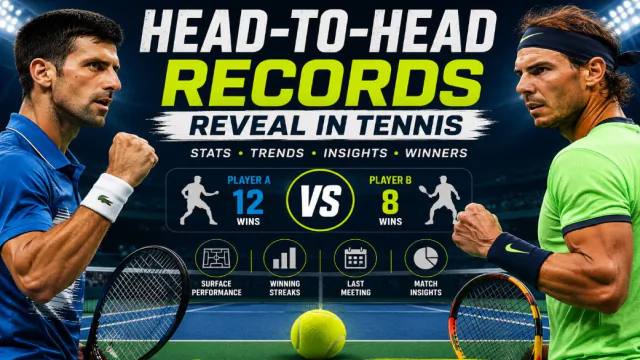
A tennis head-to-head record shows how two players have performed against each other in previous meetings. It can reveal recurring match-up patterns that rankings and recent results may not capture. However, the overall win–loss figure is only a starting point. Surface, playing style, tournament level and the timing of each encounter determine how useful the record is for assessing their next match.
Which Player Has Controlled the Match-Up
The most direct insight is whether one player has consistently beaten the other. A 7–2 record may indicate more than a difference in general ability, particularly if the losing player has struggled even while ranked higher or entering in better form.
Anyone reviewing the form before choosing to bet on current tennis matches should look beyond the headline record. Straight-set victories, deciding-set results and the competitiveness of individual sets provide more context. A dominant record built on routine wins is generally more meaningful than one containing several narrow matches decided by tiebreaks.
How Playing Styles Interact
Head-to-head results often reveal whether one player’s style creates persistent problems for another. A strong server may dominate most opponents but struggle against an exceptional returner. Likewise, a defensive baseline player may repeatedly frustrate an aggressive opponent who commits errors during extended rallies.
The direction and height of each player’s shots also matter. Heavy topspin can expose a one-handed backhand, while flat groundstrokes may take time away from players who need longer swings. These match-up dynamics help explain why a lower-ranked player can repeatedly defeat a more accomplished rival.
Which Surface Changes the Balance
An overall head-to-head record can conceal major differences between hard, clay and grass courts. A player may lead 6–3 across all meetings but trail 1–3 on the surface being used for the next match.
Clay generally slows the ball and produces higher bounces, favouring patience, movement and topspin. Grass rewards effective serving, quick reactions and shorter points. Hard courts vary in pace but often offer a more balanced contest. Dividing previous meetings by surface therefore gives a clearer picture of whether one player’s advantage is transferable to current conditions.
Whether the Advantage Is Still Relevant
Older meetings do not always reflect the players they have become. Technique, fitness, coaching and tactical maturity can change considerably over several seasons. A veteran may lead the series because of victories recorded before a younger opponent reached their peak.
Recent encounters normally deserve more weight, especially when they occurred under similar conditions. Even so, relying only on the latest result can create recency bias, where one performance is treated as more predictive than it deserves. The strongest assessment considers both the long-term pattern and evidence of recent change.
How Players Respond Under Pressure
Previous meetings can indicate how each player handles important moments against a familiar opponent. Deciding-set records, tiebreak outcomes and results in tournament finals may reveal whether one competitor has repeatedly executed better under pressure.
Statistics such as break-point conversion, first-serve points won, and unforced-error rate add detail. One player may win fewer total points yet perform better on the points that decide sets. However, a small sample size can distort the apparent pattern, particularly when the pair have met only once or twice.
Reading the Record in Proper Context
Head-to-head records reveal who has controlled a rivalry, why certain playing styles clash, how surfaces alter the balance and whether pressure affects the result. Their value comes from context rather than the raw score alone. Used alongside current form, fitness and playing conditions, they provide a more complete view of what may shape the next contest.
TOPICS MENTIONED IN THIS ARTICLE












Disclaimer
Possible11 is a sports news and analysis platform designed purely for entertainment and educational purposes. All match previews, player insights, and team analyses are based on publicly available information and expert opinions. We do not promote or support betting, gambling, or real-money gaming in any form. Users are encouraged to enjoy our content responsibly and use it for informational purposes only.









Give Your Feedback