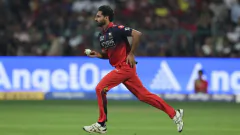
BCCI Domestic Cricket Rules 2026: The Board of Control for Cricket in India (BCCI) has decided to implement the latest rule changes recommended by the Marylebone Cricket Club (MCC) in Indian domestic cricket. The new regulations will come into effect from the upcoming domestic season and will be applicable across major tournaments, including the Ranji Trophy, Vijay Hazare Trophy, and Syed Mushtaq Ali Trophy.
BCCI has shared the updated guidelines with all state cricket associations to ensure that teams, players, and officials are aware of the changes before the start of the new season.
BCCI Domestic Cricket Rule Changes: Complete List of New Regulations
The MCC had suggested several updates to improve fairness, maintain consistency, and modernise the laws of cricket. BCCI will now introduce these changes in domestic competitions.
1. Final Over Rule Changed in First-Class Cricket
One of the biggest changes has been introduced for the final over of the day in first-class cricket.
- The final over of the day must be completed even if a wicket falls during the over.
- Umpires will no longer stop play immediately after a wicket in the last over.
- All remaining deliveries of the over will have to be bowled.
2. New Short Run Rule Gives More Power to Fielding Captain
A new rule has been added to prevent batters from deliberately taking fewer runs.
- If batters intentionally avoid completing runs, the fielding captain will decide which batter will face the next delivery.
- The move aims to stop teams from using short runs as a tactical advantage.
3. ODI and T20 Matches Get Updated Leg-Side Wide Rules
The guidelines for leg-side wides in limited-overs cricket have also been revised.
- The updated rules will apply to both ODIs and T20 matches.
- The changes are expected to bring more clarity for players and match officials.
Also Read: Shoaib Akhtar Trolled Over Messi vs Ronaldo Debate FIFA 2026
4. ODI Head Coaches Can Enter Field During Drinks Break
In a major tactical change, head coaches will now be allowed to enter the field during drinks breaks in ODI matches.
- Coaches can communicate directly with players.
- Teams will be able to make quick strategic adjustments during important moments.
5. Dead Ball Rule Updated by BCCI
The rules regarding dead balls have also been modified.
- The ball does not need to be with the wicketkeeper or bowler to be declared dead.
- If the ball is with a fielder or lying on the ground without any further play possible, the umpire can call it dead.
6. New Fielding Rules Introduced for Fair Play
BCCI has also updated fielding regulations.
- All fielders must remain inside the boundary when the bowler delivers the ball.
- The rule aims to prevent unfair fielding advantages and maintain balance between bat and ball.
7. Wicketkeeper Rules Changed Under New MCC Guidelines
The wicketkeeper’s position has also been revised.
- The wicketkeeper must now be behind the stumps at the moment the bowler releases the ball.
- Earlier, this condition applied when the ball came into play.
- Wicketkeepers will no longer be penalised for keeping their gloves forward during the bowler’s run-up.
BCCI’s New Rules to Take Effect From Upcoming Domestic Season
The introduction of MCC’s updated laws will bring Indian domestic cricket closer to international standards. These changes are expected to reduce confusion, improve consistency, and provide players with conditions similar to global cricket.
The new rules will be implemented across BCCI’s domestic tournaments from the upcoming season.
Also Read: Raj Kundra Rajasthan Royals Case: UK Court Big Verdict