


Image Source: Fancode-X
India vs Japan Wide Ball Controversy: India won a thrilling, rain-affected five-over match against Japan by two runs, but a decision reversed by the umpire in the final over has grabbed the attention of the entire cricketing world. At a stage when Japan needed just six runs off the last four balls to win, the reversal of an on-field umpire's decision proved to be the match's biggest turning point. Let us look at the sequence of events and what the rules say about this situation.
India vs Japan Match: Wide Ball Controversy
Umpires overturning a wide decision without a review or replay, simply because Indian players asked for it.
— Ragav X (@ragav_x) September 22, 2026
What a low. This is more shameful than losing to Japan.pic.twitter.com/X2zhpsiSCf https://t.co/6OHZlMYcsH
In the match played at Sano, India batted first and scored 32 runs for the loss of 4 wickets in the allotted 5 overs. Due to rain, Japan was set a target of 33 runs to win. In response, the Japanese team performed impressively, reaching 27/3 after 4 overs.
Japan needed 6 runs off 6 balls to win in the final over. Indian captain Shreyas Iyer handed the ball to Axar Patel. Axar was bowling 'round the wicket' to the left-handed batsman Alexander Shirai-Patmore. He delivered the ball down the leg-stump line, and the batsman attempted a 'switch hit' towards the off-side. There was no contact between bat and ball, and on-field umpire Chris Thurgate immediately signaled a 'wide'.
On-Field Protest by Team India and Umpire's U-Turn
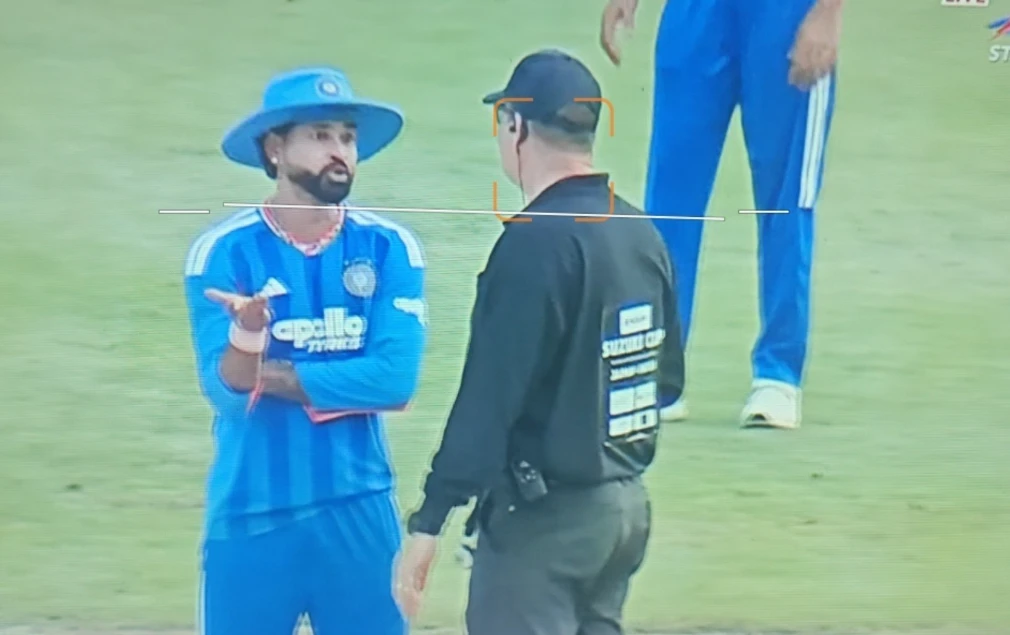
Image Source: Fancode-X
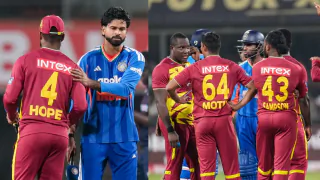
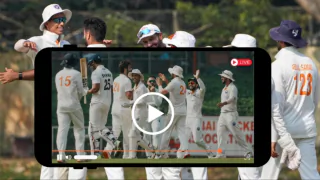
The Indian players were unhappy with umpire Chris Thurgate's decision. Bowler Axar Patel and wicketkeeper Sanju Samson clearly expressed their displeasure. Shortly after, Indian captain Shreyas Iyer approached leg-umpire Chris Brown to discuss the matter.
Following this, the two on-field umpires consulted each other. After the discussion, umpire Chris Thurgate reversed his decision and declared the delivery legal. This decision proved to be a massive blow for Japan, as the Japanese team ultimately managed to score only 30/3, and India won the match by 2 runs.
Can an Umpire Overturn Their Decision? (MCC Law 2.12 Explained)

Image Source: Fancode-X
The biggest question on fans' and experts' minds is whether an umpire has the authority to overturn their decision during a live match.
According to MCC Cricket Law 2.12:
- Immediate Change: An umpire may alter any decision they have made, provided the change is made promptly.
- Dead Ball Rule: The process of changing the decision must not contravene the rules regarding 'dead ball'.
- Final Decision: Once the umpire has made the alteration, that decision is considered final.
Therefore, technically, it would be incorrect to fault the umpire or label the action a rule violation solely on the grounds of overturning a decision.
Player Conduct & ICC Code of Conduct (Article 2.8 Violation?)
Even if the decision was changed in accordance with the rules, another aspect of the incident is player conduct. Under Article 2.8 of the ICC Code of Conduct and playing conditions:
- Showing excessive or obvious dissent regarding an umpire's decision is prohibited.
- Arguing with the umpire or engaging in a prolonged discussion about their decision can be considered a violation of the Code of Conduct.
- A debate has arisen regarding the Indian players' on-field reaction and captain Shreyas Iyer's interaction with the umpire—specifically, whether it crossed the line or was merely a routine exchange. However, there are currently no clear indications that the match referee has taken any disciplinary action against any Indian player.
Also Read: India vs Japan T20I Highlights: India defeated Japan by 2 runs.










Disclaimer
Possible11 is a sports news and analysis platform designed purely for entertainment and educational purposes. All match previews, player insights, and team analyses are based on publicly available information and expert opinions. We do not promote or support betting, gambling, or real-money gaming in any form. Users are encouraged to enjoy our content responsibly and use it for informational purposes only.





Give Your Feedback