

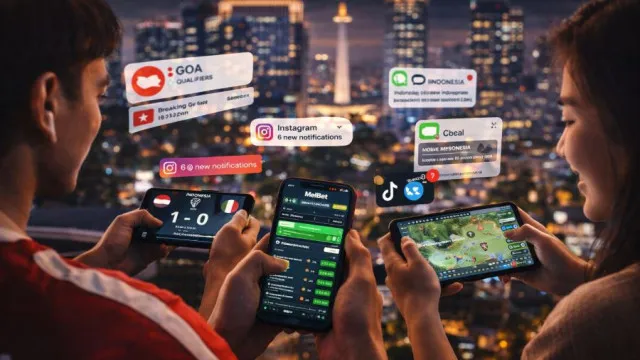
Indonesia’s digital routine in 2026 is being set by the phone before any other screen gets a chance. DataReportal says the country had 331 million mobile connections, 230 million internet users, and 180 million social media user identities by late 2025, while BPS reported that 72.78 percent of Indonesians aged 5 and above had accessed the internet in 2024, and 68.65 percent used a mobile cellular phone. That combination explains the shape of the day: a score alert on the commute, a short stream at lunch, a live chat during a qualifier, a push notification after dinner, then one more session before sleep. The phone leads.
Sport now lives on the handset
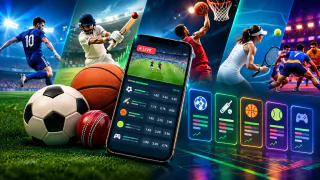
Football is still the cleanest example because its tempo fits mobile behavior almost perfectly. On March 25, 2025, Indonesia beat Bahrain 1-0 at Gelora Bung Karno, with Ole Romeny scoring in the 24th minute, and the AFC said the win moved Patrick Kluivert’s side to nine points with two matches left; one compact match event then spread into clips, lineup graphics, shot maps, and second-screen discussion within minutes. That is why the MelBet app belongs naturally in the same sequence as live scores and highlight feeds: a user already watching pressure build after a wide overload or a late substitution wants data, probability, and quick interaction without leaving the match context. A small detail from nights like that matters: the strongest mobile products are not competing with television anymore, but with the next swipe.
The stream no longer ends at full time
Global broadcast habits have pushed Indonesian users toward repeat viewing rather than one fixed sitting. Media reporting in late 2025 said TVRI would air all 104 matches of the 2026 FIFA World Cup across a 39-day schedule, which fits a national pattern in which live sport is watched in fragments, then replayed in highlights, and then discussed in social clips after midnight. That logic is already familiar from domestic football and international qualifiers: the event begins on one screen, but its afterlife moves through notifications, captions, reaction posts, and short video loops that keep the same match alive for hours. Live content is no longer one appointment; it is a chain of returns.
Gaming borrowed the same habits
Mobile esports did not create this pattern, but it sharpened it. ONIC beat RRQ Hoshi to win MPL Indonesia Season 15 in June 2025, and Esports Charts says the tournament reached 4,132,224 peak viewers, generated 113,297,084 hours watched, and ran across TikTok, YouTube Live, Facebook Gaming, and Twitch. In that kind of ecosystem, Pendaftaran MelBet aligns with the onboarding expectations of a tournament stream or a new game account, because Indonesian users now expect a short path from curiosity to access and from access to interaction. Another small observation stands out here: products win when they remember where the user stopped, not when they force the session to start over.
Notifications now shape the day
The most important shift is not the amount of content but the way it arrives. We Are Social’s Indonesia write-up on the 2026 report says social networks remained the most visited type of site or app, followed closely by chat and messaging platforms, which means a live score, a meme from the Bahrain match, a Mobile Legends clip, and a direct message are all competing in the same stream of attention. Personalized notifications matter because they combine several roles into a single device: broadcaster, editor, stat screen, discussion board, and reminder system. One push alert can move a user from work mode to entertainment mode in five seconds, then back again before the coffee cools.
Seamless tools raised the standard
What users now call a good experience is mostly about continuity. BPS says only 18.52 percent of Indonesian households had a computer in 2024, which helps explain why mobile design is no longer the lighter version of the service but the main product itself; the handset is the device that survives the bus, the queue, the office break, and the couch. That is where Aplikasi Melbet fits the larger market story, because it is judged by the same standards as wallet apps, ride-hailing tools, stream platforms, and live-score services: fast opening, clean menus, stable alerts, and no wasted motion between content and action. The app must be ready.
One ecosystem, many short returns
By 2026, Indonesian mobile use across sports, entertainment, and social life is no longer a set of separate habits. The same user who watches Indonesia press Bahrain’s back line, checks ONIC’s bracket path, opens a group chat, and reacts to a clip is operating within a single system where content, analytics, and interaction reinforce each other rather than compete from different corners. The broader pattern is already visible in the numbers and in the way major events travel: football provides the trigger, gaming sustains the loop, social platforms carry the reaction, and mobile infrastructure keeps the whole thing frictionless. Engagement in Indonesia now looks less like a long session and more like a series of precise returns to the same small screen.







Disclaimer
Possible11 is a sports news and analysis platform designed purely for entertainment and educational purposes. All match previews, player insights, and team analyses are based on publicly available information and expert opinions. We do not promote or support betting, gambling, or real-money gaming in any form. Users are encouraged to enjoy our content responsibly and use it for informational purposes only.









Give Your Feedback