The Panchang for June 8, 2026, carries special significance for devotees observing Kalashtami, one of the important monthly observances dedicated to Lord Bhairava. The day falls on Krishna Paksha Ashtami in the month of Jyestha, according to the traditional Hindu lunar calendar, making it an important date for spiritual practices, fasting, temple visits, and religious rituals.
Along with the Kalashtami observance, the day features notable astrological combinations involving Purva Bhadrapada Nakshatra, Prithi Yoga, and several auspicious time periods that are often considered favourable for prayer, meditation, and sacred activities.
The Hindu Panchang serves as a daily guide combining astronomical calculations, lunar phases, planetary positions, and traditional time divisions. Many devotees, astrologers, and practitioners use Panchang details to determine favourable and unfavourable periods for religious ceremonies, travel plans, business decisions, and personal spiritual activities.
The June 8, 2026 Panchang is particularly noteworthy because it combines the observance of Kalashtami with specific yogas and nakshatras that hold significance in Vedic astrology.
Tithi Details
The day is governed by Krishna Paksha Ashtami, which begins at 3:24 AM and continues until 3:23 AM on the following day. After this period, Krishna Paksha Navami commences.
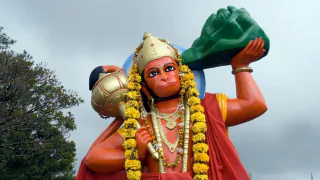
Ashtami tithi is traditionally associated with devotion, self-discipline, and spiritual reflection. Kalashtami, observed during Krishna Paksha Ashtami every month, is especially revered by devotees of Lord Bhairava, a fierce manifestation of Lord Shiva.
Many followers observe fasting, visit Bhairava temples, chant sacred mantras, and perform charitable acts during this observance.
Kalashtami Significance
Kalashtami is considered an important monthly vrat in the Hindu tradition. Devotees believe that sincere worship of Lord Bhairava on this day helps remove obstacles, protect against negative influences, and promote spiritual growth.
The observance often includes:
- Fasting throughout the day
- Offering prayers to Lord Bhairava
- Recitation of Bhairava mantras
- Temple visits during evening hours
- Charity and acts of service
In several regions of India, Kalashtami attracts devotees seeking blessings for courage, protection, and prosperity.
Nakshatra and Yoga
The day begins under Shatabhisha Nakshatra, which remains active until 9:09 AM. Thereafter, Purva Bhadrapada Nakshatra takes over and continues into the next day.
In Vedic astrology, Shatabhisha is associated with healing, introspection, and research-oriented pursuits. Purva Bhadrapada, meanwhile, is linked with transformation, spiritual wisdom, and deeper contemplation.
The yoga transitions are equally noteworthy:
- Vishkambha Yoga remains active until 9:27 AM.
- Prithi Yoga follows and continues until the next morning.
Prithi Yoga is generally regarded as favourable for harmonious interactions, learning, and constructive activities.
Sunrise Sunset and Lunar Timings
According to the Panchang calculations:
- Sunrise: 5:44 AM
- Sunset: 7:07 PM
- Moonrise: 12:18 AM
- Moonset: 12:18 PM
These timings play an essential role in determining muhurats, fasting observances, and ritual schedules.
Auspicious Muhurat Timings
Several favourable periods are highlighted in the Panchang for spiritual and religious activities.
Abhijit Muhurat
- 11:59 AM to 12:52 PM
Abhijit Muhurat is widely regarded as one of the most auspicious periods of the day and is often considered suitable for beginning important tasks when other favourable muhurats are unavailable.
Brahma Muhurat
- 4:08 AM to 4:56 AM
This pre-dawn period is traditionally considered ideal for meditation, yoga, mantra chanting, and spiritual practices.
Amrit Kaal
- 1:28 AM to 3:06 AM
Amrit Kaal is considered a beneficial period for sacred rituals and devotional activities.
Rahu Kaal and Other Inauspicious Timings
Those following Panchang guidelines generally avoid initiating significant activities during certain periods considered less favourable.
Rahu Kaal
- 7:24 AM to 9:05 AM
Yamaganda
- 10:45 AM to 12:25 PM
Gulika Kaal
- 2:06 PM to 3:46 PM
Dur Muhurat
- 12:52 PM to 1:46 PM
- 3:33 PM to 4:26 PM
Varjyam
- 3:41 PM to 5:19 PM
These intervals are traditionally avoided for major beginnings, business launches, and ceremonial activities.
Chandra Rashi and Planetary Influence
The Moon remains in Kumbha Rashi (Aquarius) for most of the period and transitions into Meena Rashi (Pisces) after 3:36 AM on June 9.
The movement of the Moon between zodiac signs is an important factor in Vedic astrology because it influences emotional tendencies, decision-making patterns, and daily predictions associated with individual birth charts.
The Sun continues its transit through Vrishabha Rashi (Taurus).
Chandrabalam for Different Rashis
Chandrabalam, or lunar strength, is often consulted before undertaking significant activities.
Until 3:36 AM on June 9, favourable Chandrabalam is available for:
- Mesha
- Vrishabha
- Simha
- Kanya
- Dhanu
- Kumbha
After the Moon enters Meena Rashi, favourable Chandrabalam shifts to:
- Vrishabha
- Mithuna
- Kanya
- Tula
- Makara
- Meena
Many astrologers consider Chandrabalam while recommending travel, business decisions, ceremonies, and personal milestones.
Day and Night Choghadiya
The Panchang also provides Choghadiya periods, which are traditionally used to identify suitable windows for activities throughout the day and night.
Favorable daytime Choghadiya periods include:
- Amrut: 5:44 AM to 7:24 AM
- Shubh: 9:05 AM to 10:45 AM
- Labh: 3:46 PM to 5:26 PM
- Amrut: 5:26 PM to 7:07 PM
During the night, auspicious periods include:
- Labh: 11:06 PM to 12:25 AM
- Shubh: 1:45 AM to 3:05 AM
- Amrut: 3:05 AM to 4:24 AM
These time segments are commonly consulted for travel, purchases, meetings, and religious observances.
Vedic Calendar Overview
The day falls within:
- Vikram Samvat 2083
- Shaka Samvat 1948
- Jyeshta Month (Amanta and Purnimanta traditions)
- Uttarayan
- Grishma Ritu (Summer)
The seasonal designation of Grishma reflects the summer phase in the traditional Vedic calendar, while Uttarayan marks the Sun's northward journey, a period considered spiritually significant in Hindu tradition.
The Panchang for June 8, 2026 combines the observance of Kalashtami with Krishna Paksha Ashtami, Purva Bhadrapada Nakshatra, Prithi Yoga, and several notable muhurats. For devotees and followers of Vedic traditions, the day presents opportunities for worship, fasting, meditation, and spiritual reflection while also offering guidance on auspicious and inauspicious timings through detailed Panchang calculations.