

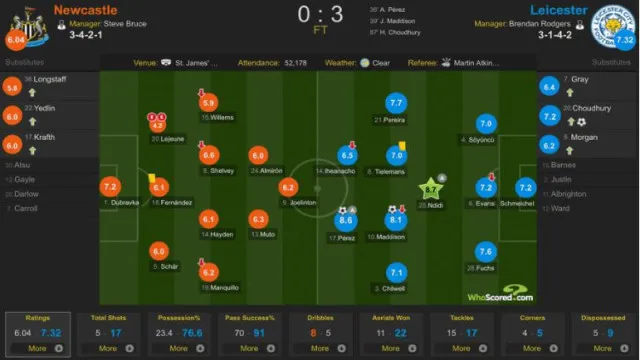
Pre-match football analysis strips the game down to measurable forces. Not opinions. Not hype. Results follow patterns, and patterns leave data. The goal is simple: identify which metrics move the scoreline and ignore the noise. Possession alone does not win matches. Shot volume without shot quality means little.
Modern football produces massive data streams, but most of them distract. Analysts must choose metrics that explain why goals happen, not just when. Pre-match work sets expectations before emotions enter. Done right, it limits surprise and sharpens judgment.
Why Pre-Match Metrics Create A Real Advantage
Pre-match metrics turn uncertainty into structured insight. They show where pressure builds and where it breaks. When you understand these signals, you stop guessing. You start positioning.
This advantage compounds over time. Repeated small edges outperform bold guesses. The same logic applies when insights translate into action on digital platforms. Many users apply this knowledge through tools like bc game apk, where informed decisions matter more than instinct. Data does not promise certainty, but it narrows risk. Preparation creates leverage. Metrics are how you earn it.
Turning Metrics Into Structured Decisions
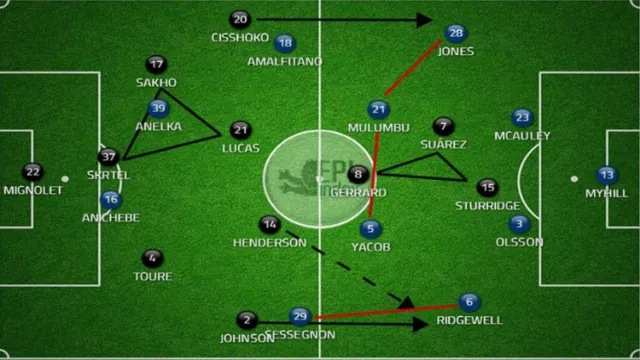
Raw numbers mean little until you organize them. Structure turns data into action. A clear framework helps you compare teams without bias and spot gaps others miss.
Without structure, analysis becomes selective. Analysts see only what confirms expectations. A framework forces consistency across matches. It also speeds up decision-making under time pressure.
“Data does not predict the future. It reduces blind spots.” — Football Performance Analyst
Below is a simple pre-match framework that links metrics to on-field impact.
| Metric | What It Measures | Why It Affects Results |
| xG (Expected Goals) | Shot quality, not volume | High xG teams create repeatable chances |
| PPDA | Pressing intensity | Low PPDA disrupts buildup and forces errors |
| Shot Location | Where shots come from | Central shots convert more often |
| Set-Piece xG | Dead-ball threat | Decides tight matches |
| Defensive Errors | Mistakes under pressure | Direct path to conceded goals |
This structure keeps analysis focused, fast, and repeatable. It removes narrative bias. It highlights cause, not coincidence.
Key Pre-Match Signals Experienced Analysts Never Ignore
Experienced analysts filter fast. They look for signals that change game flow, not cosmetic stats. Before kickoff, these factors shape realistic expectations.
Surface numbers lie easily. Deeper signals reveal intention and stress points. These indicators often explain swings long before goals appear.
- Recent xG Trend – rising numbers matter more than season averages
- Press Resistance – midfield turnover rate under pressure
- Set-Piece Balance – goals for vs goals conceded from dead balls
- Defensive Line Height – risk exposure against fast attackers
- Game State History – performance when scoring first or conceding early
These signals reveal how a team reacts, not just how it performs. Reactions decide matches. Preparation starts here.
Comparing Teams Using Outcome-Focused Metrics
Side-by-side comparison exposes practical differences. It removes narrative and shows how teams actually win or lose. This method limits emotional bias.
Comparison forces clarity. It answers simple questions fast. Who creates better chances? Who breaks under pressure?
| Metric | Team A Profile | Team B Profile | Match Impact |
| Average xG For | 1.85 per match | 1.12 per match | Higher scoring probability |
| xG Against | 0.98 per match | 1.54 per match | Defensive stability edge |
| PPDA | 8.4 | 13.9 | Stronger pressing control |
| Set-Piece Goals % | 31% | 18% | Advantage in tight games |
| Second-Half Goal Rate | High | Low | Better game management |
This format shows where pressure tilts before the first whistle. It also highlights risk zones. Numbers replace assumptions.
Contextual Factors That Numbers Must Respect
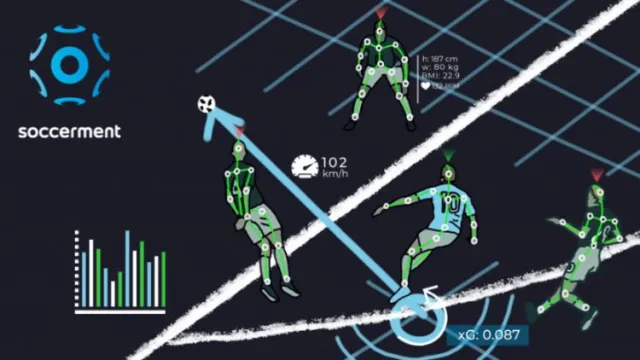
Metrics never live alone. Context bends them. Travel fatigue slows reactions. Injuries shift structure. Weather changes tempo.
A high press fails on a heavy pitch. A compact block thrives in rain. You must read numbers inside conditions, not above them. Check rest days. Check squad rotation. Check referee tendencies. These factors do not replace data. They weight it. Smart analysis adjusts. Blind analysis misleads.
Applying Analysis Where Decisions Carry Weight
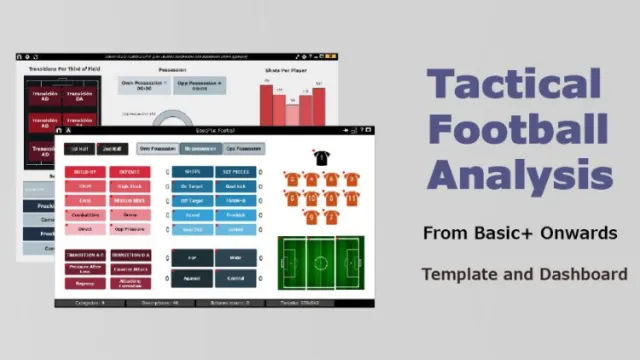
Insight matters only when you use it. Pre-match analysis guides timing, selection, and restraint. It sharpens judgment in moments that punish hesitation.
Application demands discipline. Emotion enters late and exits slowly. Many users apply this discipline on platforms like bc game, where preparation separates impulse from intent. The process stays the same: assess risk, measure probability, act with control.
Key habits that turn analysis into advantage:
- Define Entry Conditions before emotion enters
- Compare xG Trends, not single-match spikes
- Respect Context Shifts like injuries or travel
- Avoid Late Decisions driven by momentum
- Track Results to refine future analysis
Discipline, not volume, sustains long-term edges. Systems outperform intuition over time.
Conclusion: Focus On What Moves The Scoreline
Pre-match football analysis works when it stays narrow and honest. Not every metric matters. The right ones do.
xG, pressing efficiency, shot location, set-piece threat, and context shape results before kickoff. They explain why chances appear and why goals follow. Ignore surface stats. Track forces, not decoration. When analysis stays disciplined, decisions improve. Clarity replaces noise. That is how preparation turns information into control.











Disclaimer
Possible11 is a sports news and analysis platform designed purely for entertainment and educational purposes. All match previews, player insights, and team analyses are based on publicly available information and expert opinions. We do not promote or support betting, gambling, or real-money gaming in any form. Users are encouraged to enjoy our content responsibly and use it for informational purposes only.






Give Your Feedback