Russian President Vladimir Putin begins a high-profile two-day visit to India, aiming to rejuvenate energy and defence ties that have faced challenges due to U.S. pressure. His visit comes at a time when India's crude imports from Russia are poised to hit a three-year low, reflecting both sanctions and a strategic shift toward U.S. energy sources. Despite these challenges, New Delhi remains one of Russia's top buyers of seaborne oil, and the nations continue to maintain a robust defence relationship built over decades.
Putin's visit is expected to involve discussions on a range of strategic sectors, including oil, gas, missiles, fighter jets, and civilian nuclear energy. The Russian delegation includes key figures from defence, finance, and energy sectors, reflecting Moscow's intent to deepen bilateral trade and investment. Ahead of the visit, preliminary talks between officials of both countries have spanned defence, shipping, agriculture, and trade, setting the stage for potential announcements on new initiatives and arms deals.
India, on the other hand, is balancing its relations carefully, mindful of potential U.S. reactions. Despite tightened sanctions and increased U.S. energy imports, New Delhi continues to prioritize strategic defence ties with Moscow, particularly for maintaining and upgrading Russian-origin military systems. The focus remains on energy cooperation, defence procurement, and infrastructure investment, highlighting the long-term nature of India-Russia relations.
Energy Ties Under Review
India's energy imports from Russia have been significantly affected by international sanctions, yet the country remains a critical buyer of Russian oil. Discussions during Putin's visit are likely to focus on restoring energy collaboration, including potential investments in oil assets and technical equipment. Russian state-owned firms, including Rosneft and GazpromNeft, are expected to explore partnerships with Indian refiners, even as global sanctions challenge direct trade. Sberbank has expressed interest in financing Indian infrastructure projects and extending rupee-denominated loans to facilitate two-way trade.
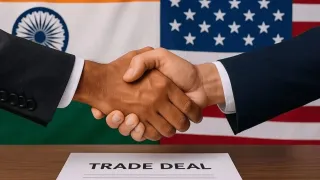
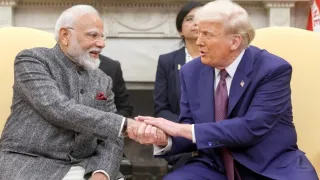
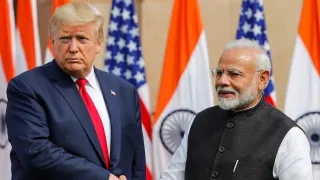
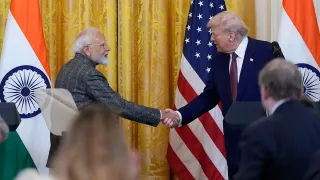
The visit also coincides with India's efforts to secure a U.S. trade deal by the end of the year, reflecting the delicate balance New Delhi must maintain between Russian energy supplies and Western diplomatic considerations. While Russian oil imports have reduced, selective discounts and bilateral arrangements could continue to attract Indian state refiners. The outcome of these energy talks will determine how India manages its energy security while navigating international pressures.
Defence Cooperation Remains Robust
Unlike energy trade, India does not intend to reduce defence cooperation with Russia, given the country's reliance on Russian military hardware. The Indian Air Force operates a majority of Sukhoi-30 fighter jets, and Russia has offered its advanced Su-57 fighter, which may be discussed during the visit. India is also considering additional units of the S-400 air defence system to strengthen its strategic capabilities. The defence relationship remains a cornerstone of India-Russia ties, binding the two nations despite external geopolitical pressures.
Defense Secretary Rajesh Kumar Singh has emphasized that India’s engagement with Moscow will continue to support operational readiness and upgrades for existing Russian-origin systems. The partnership also extends to logistics, spare parts, and maintenance services for a range of military platforms. Russian expertise in advanced weapons systems, combined with India's strategic requirements, ensures that defence remains a stable pillar in bilateral relations.
Strategic and Trade Engagements
Putin's visit includes discussions on expanding trade beyond energy and defence. This includes civilian nuclear energy, shipping, agriculture, and potential free trade talks between India and the Russian-led Eurasian Economic Union. Both countries are exploring investments in infrastructure projects and financial arrangements that facilitate trade in rupees, reducing dependence on Western financial channels.
The delegation comprises senior Russian business leaders and industry representatives from Sberbank, Rosoboronexport, and other key firms. These engagements aim to bolster bilateral trade while navigating the constraints imposed by Western sanctions. Indian officials are also expected to seek restoration of stakes in Russian energy projects, such as the Sakhalin-1 gas exploration venture, highlighting mutual interests in strategic energy assets.
Geopolitical Considerations
India must carefully navigate its relationship with Russia while managing potential repercussions from the United States. Recent U.S. actions, including increased tariffs on Indian goods, have underscored the complexity of balancing international alliances. Nevertheless, India continues to prioritize strategic autonomy, maintaining energy and defence engagements with Moscow where national interests are at stake.
Experts suggest that while energy trade may face long-term constraints, defence cooperation and strategic partnerships will continue to anchor the India-Russia relationship. The visit provides an opportunity for both nations to reaffirm their historical ties, explore new areas of collaboration, and address challenges posed by global geopolitics. The discussions in New Delhi will likely shape the trajectory of bilateral relations for the coming years.
Conclusion
Putin's India visit underscores the enduring importance of the India-Russia strategic partnership. Energy, defence, trade, and infrastructure remain key pillars of cooperation, with both nations seeking to deepen engagement despite external pressures. As India balances relations with Russia and the United States, the outcomes of this visit could redefine bilateral ties, enhance defence capabilities, and ensure energy security. The visit highlights the resilience and adaptability of India-Russia relations in a complex global landscape.
With decades of defence collaboration and sustained energy partnerships, India and Russia continue to navigate evolving geopolitical challenges. The upcoming agreements and discussions may introduce new trade mechanisms, investment opportunities, and defence procurements, ensuring that the bilateral relationship remains robust, mutually beneficial, and strategically significant in the years ahead.
Also Read: Vivo X300, X300 Pro Debut in India: Price & Specs Revealed