


The IPL 2026 auction made one message clear: teams are betting on tomorrow, not nostalgia. Franchises spent roughly ₹215 crore to secure 77 players, but the biggest gains went to youth rather than marquee reputations. Players under 25 dominated the room, achieving an impressive success rate of over 80% and commanding a higher average price than their veteran counterparts.
In comparison, players aged 30 and above faced a clear age penalty, with barely half finding buyers and most settling for modest deals. Several established overseas stars left unsold or were picked up at base price, while uncapped Indian youngsters emerged as multi-crore investments. IPL 2026 wasn’t just an auction; it was a reset in squad-building philosophy.
The Age Cliff

How Uncapped Indians Reshaped Auction Priorities
In the IPL 2026 mini auction, spending still leaned toward overseas players. Franchises invested around ₹128.05 crore on 29 international signings compared to ₹87.40 crore on 48 Indians. But beneath that headline, a subtle shift occurred in valuation. Uncapped Indian players emerged as prized picks, regularly fetching strong bids, while many seasoned global names became secondary options.
Only 9 capped Indian players were bought, 6 at base price and 5 as low as ₹75 lakh, underscoring the premium afforded to fresh domestic prospects over established stars. This silent power shift highlights how teams are redefining priorities, valuing potential and local depth above reputation.

KKR’s Big Ticket Approach and CSK’s Youthful Turn
Two contrasting team strategies stood out in the recent IPL 2026 auction. Kolkata Knight Riders (KKR) went all-in on established overseas firepower, leading the spending spree with record bids. They secured Australian all-rounder Cameron Green for ₹25.20 crore and Sri Lankan pacer Matheesha Pathirana for ₹18 crore, signaling a win-now, experience-heavy blueprint.
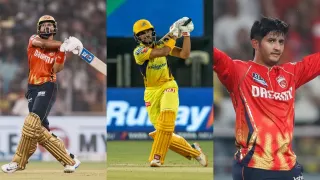
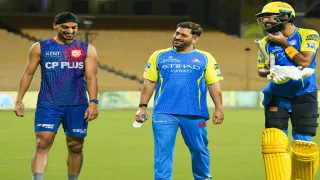
At the other end, Chennai Super Kings (CSK) quietly flipped their identity by investing heavily in India’s youth. The franchise made headlines by signing uncapped talents Kartik Sharma and Prashant Veer for ₹14.20 crore each, underscoring a deliberate long-term rebuild centered on emerging, domestic prospects.
“Old Labels, New Blueprints”

Why Roles Trumped Reputation at the IPL 2026 Auction
Analyst models from recent IPL seasons consistently showed that teams built around three core roles performed better over a full campaign:
- A dependable top-order anchor
- A powerplay strike bowler
- A proven death-overs specialist
The IPL 2026 auction marked the first clear instance where all ten teams aligned spending with this proven template.
Death-over specialists such as Matheesha Pathirana, Anrich Nortje, and Gerald Coetzee emerged as major bidding focal points as franchises rushed to secure control in the final four overs.
Powerplay seamers and mystery spinners were aggressively pursued early in the auction, often sparking multi-team bidding battles despite limited batting upside.

The Hook for Platforms
For broadcasters, publishers, and team channels, the IPL 2026 auction is best framed as “IPL 2026: The Night the Future Got Bought.” This angle opens up deeper narratives around youth economics, the overseas versus Indian value gap, and how franchises have quietly standardised a three-role winning template. These themes translate well into data-led stories and platform-branded visuals. For credibility and transparency, the above IPL facts and records were collected and verified by the GrabOn team, reinforcing the analysis behind this evolving auction strategy.
Which types of young players are most valuable in IPL 2026?











Disclaimer
Possible11 is a sports news and analysis platform designed purely for entertainment and educational purposes. All match previews, player insights, and team analyses are based on publicly available information and expert opinions. We do not promote or support betting, gambling, or real-money gaming in any form. Users are encouraged to enjoy our content responsibly and use it for informational purposes only.

Give Your Feedback