


Indian sport isn’t standing still anymore. For years, the conversation was easy: cricket on top, everything else somewhere below it, fighting for scraps of attention. That picture still exists, but it’s getting less accurate by the season. The market is wider now, the audience is sharper, and fans don’t just watch, they track, compare, debate, draft fantasy teams, follow regional leagues, and jump between sports faster than ever.
That shift is pretty visible in digital behaviour too. Search interest around terms like kabaddi betting parimatch, says something important: sports in India are no longer consumed in one old-fashioned way. Fans want live context, stats, mobile access, and a reason to stay involved beyond just the final score.
Cricket still rules, but the grip isn’t quite the same
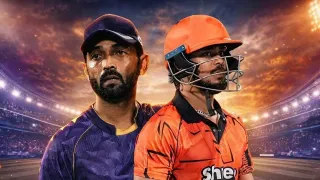
No need to overcomplicate it, cricket is still the giant. It drives ad money, TV ratings, sponsorships, social chatter, and big-event culture in a way no other Indian sport can fully match yet. IPL alone reshapes the whole sports calendar. That part isn’t changing anytime soon.
But here’s the more interesting bit: cricket’s dominance no longer means other sports are invisible.
A few years ago, non-cricket sports mostly spiked during global events. Olympics, maybe a World Cup run, then silence again. Now there’s a more stable audience forming around league-based competition, athlete personalities, and digital-first coverage. It’s not equal to cricket. Not even close. But it’s no longer negligible either.
And that matters. Because once audiences become regular instead of occasional, the whole ecosystem changes.
Kabaddi isn’t a novelty anymore
This is one of the clearest shifts in Indian sport.
Kabaddi used to be treated as something traditional, rural, nostalgic, respected, maybe, but not always marketed like a serious modern spectator product. That changed. League structure, broadcast packaging, player visibility, and mobile engagement helped turn it into a sport people actively follow, not just recognise.
The rise of kabaddi says a lot about India’s sports culture. Fans didn’t need a foreign format to get interested. They responded to something familiar once it was presented properly. Better production, better storytelling, better access. Funny how often that’s the answer.
It also helped that kabaddi works well on screen. Fast action, clear momentum swings, recognizable stars, short bursts of tension. In a distracted digital world, that’s a very useful combination.
Regional loyalty is getting stronger
Indian sport has always had regional energy, but now it’s more organised and more visible.
Fans want representation. They want local players, local language commentary, city-based pride, and a sense that the sport belongs to their part of the country too. That’s one reason leagues do well when they stop pretending everyone consumes sport the same way.
Hindi, Tamil, Telugu, Bengali, Marathi and other language content is not some side option now. It’s a serious growth driver. Commentary, clips, memes, match previews, creator takes, all of it lands harder when it sounds natural to the audience.
This is where a lot of sports brands still lag behind. They translate. They don’t really localise. And Indian fans can spot the difference in about ten seconds.
Fantasy sports changed how people watch matches
This trend is impossible to ignore.
Fantasy gaming pulled a huge number of casual viewers into a more active relationship with sport. Suddenly the audience wasn’t only backing teams. They were following individual performances, matchups, form cycles, bench decisions, injury news, even pitch reports and toss patterns.
That kind of engagement doesn’t vanish once the fantasy contest ends. It changes habits. Fans become more data-aware. More curious. More invested in smaller details.
And yes, this spills over into other behaviours too, prediction culture, live tracking, sports communities, performance analysis, real-time debate. Indian fans today are much more comfortable with stats and tactical nuance than many media outlets still assume.
Women’s sport is getting real attention at last
Not symbolic attention. Real attention.
There’s still a long way to go, obviously. Coverage remains uneven, sponsorship is still catching up, and media often treats women’s competitions like a side story unless there’s a medal involved. But the momentum is stronger than before, and more importantly, it’s starting to hold.
Women’s cricket has led a lot of that change because visibility created familiarity, and familiarity built audience habit. Once viewers know the players, the rivalries, the rhythm of the competition, the interest stops feeling forced.
The same potential exists in other sports too. Badminton, wrestling, boxing, athletics, India already has recognisable female athletes. What’s needed now is consistency. Not one week of hype, then radio silence.
Short-form sports content is shaping fandom
This is a very current shift, and a lot of traditional broadcasters still underestimate it.
Younger sports fans don’t always enter through full matches. They enter through clips. Reactions. Reels. Quick breakdowns. Dressing-room moments. Funny edits. Tactical threads. Highlights cut for phones, not television. That’s how interest starts now for a lot of people.
Then, if the sport does its job well, that light interest deepens into proper fandom.
This is especially useful for sports like kabaddi, football, MMA, badminton, and even domestic cricket competitions that need more entry points for newer audiences. A good 30-second clip can do what a boring panel show never will, make someone care enough to watch the next match.
Athlete personality matters more than before
Not every fan follows sport because of pure love for the game. Sometimes they follow a person first.
That used to be more limited in India. Big cricket names had that pull, obviously, but many athletes from other sports were visible only during tournaments. Social media changed that. Now personalities travel faster than federations do. An athlete can build a following through honesty, humour, routine, training clips, controversy, or just being more relatable than the official coverage allows.
This is good for sport overall. It creates attachment. And attachment is what keeps fans around when the event calendar goes quiet.
A sport with no visible personalities struggles. A sport with two or three strong ones suddenly has a story.
Tech is quietly changing the whole experience
Not in some dramatic futuristic way. Just in practical, daily-use ways.
Fans check line-ups on their phones, track form through apps, consume local-language updates, enter fantasy contests, join prediction chats, watch highlights on the move, and follow live stats while commuting or working. Sports consumption in India is now deeply mobile, and that has changed the structure of attention itself.
People no longer sit in one place and consume one stream of coverage. They bounce between feeds, apps, scorecards, commentary, and social reaction. Messier? Sure. Also richer.
For sports trying to grow, this is actually good news. Mobile lowers the entry barrier. A fan doesn’t need a full evening and a TV setup to stay connected.
Grassroots sport is still the weak link
This needs saying, because trend pieces often get too shiny.
India has more sports interest than it has sports structure. The fan layer is improving fast. The pipeline below it still has serious problems, patchy infrastructure, uneven coaching quality, funding gaps, weak school-level systems, and far too much dependence on individual effort or luck.
So yes, the audience side is growing. The commercial side too. But if the base doesn’t improve, the long-term ceiling stays lower than it should be.
That’s especially true outside cricket, where a lot of talent still has to fight through avoidable chaos just to stay in the system.
What comes next
The next phase of Indian sport will likely be defined by three things: stronger non-cricket leagues, more regional-language engagement, and smarter digital products around fandom. Not just broadcasts, ecosystems. Stats, fantasy, community, merchandise, live interaction, and athlete-led content all stitched together.
Cricket will remain the centre. That’s obvious.
But the edges are getting stronger, and sometimes that’s where the most interesting movement starts.
Final thought
The big trend in Indian sport isn’t that cricket is fading. It isn’t. The real trend is that the rest of the field is becoming harder to ignore.
Kabaddi has grown up as a spectator sport. Fantasy has made audiences more active. Women’s competitions are building real recognition. Regional content is becoming essential, not optional. And fans, especially younger ones, now expect sport to meet them where they are, on mobile, in their language, with context, speed, and personality.
That’s a healthier sports culture than the old one. More layered. More open. And honestly, more fun to watch unfold.











Disclaimer
Possible11 is a sports news and analysis platform designed purely for entertainment and educational purposes. All match previews, player insights, and team analyses are based on publicly available information and expert opinions. We do not promote or support betting, gambling, or real-money gaming in any form. Users are encouraged to enjoy our content responsibly and use it for informational purposes only.


Give Your Feedback