

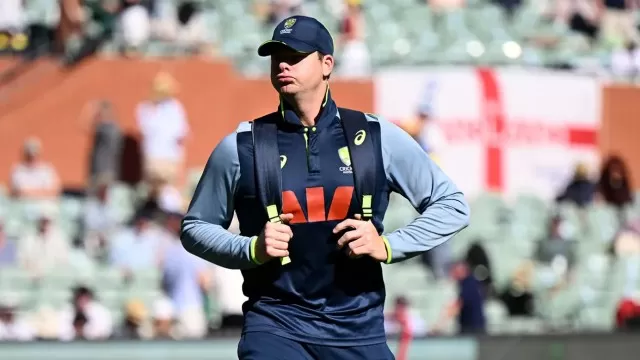
Australia were forced into a dramatic last-minute reshuffle on the morning of the third Ashes Test in Adelaide after senior batter Steven Smith was ruled out just hours before the start of play. What was expected to be a settled XI suddenly became a selection headache as concerns over Smith’s health escalated following a net session.
The late withdrawal sent ripples through the Australian camp, the opposition and fans alike, especially given the magnitude of an Ashes Test at the Adelaide Oval. With little time to adjust, team management turned to experience, recalling Usman Khawaja in circumstances few had predicted only a day earlier.
The episode added an unexpected layer of intrigue to an already intense series, underlining how quickly fortunes can change in elite sport and how vital depth and readiness are at the highest level of international cricket.
Steven Smith Ruled Out in Extraordinary Circumstances
Steven Smith was officially ruled out of the third Test on the morning of the match after experiencing vertigo-like symptoms. Cricket Australia confirmed the decision shortly before play, describing it as a precautionary move after Smith continued to feel unwell despite attempting to prepare for the game.
Smith had taken part in the warm-up and batted in the nets but was visibly not at full health. After discussions with head coach and selector Andrew McDonald, he left the ground, bringing an abrupt end to hopes that he might recover in time to take the field.
Health Concerns Behind the Decision
According to team officials, Smith had been dealing with symptoms including dizziness and nausea over the previous few days. He missed training on Monday due to illness but returned on Tuesday morning in an effort to prove his fitness for the Test.
During the net session, Smith appeared uncomfortable and even suffered a blow to the groin, which forced him to take a lengthy break. Medical staff monitored him closely before concluding that the risks of playing outweighed the benefits.
A History of Vertigo for Smith
Cricket Australia stated that Smith is being treated for a potential vestibular issue, something he has experienced intermittently in the past. While these episodes have troubled him before, they have rarely forced him out of a Test match.
Team officials expressed confidence that the condition is being managed carefully and indicated that Smith is expected to be available for the Boxing Day Test in Melbourne, offering reassurance to fans worried about his long-term availability.
Usman Khawaja’s Surprise Recall
The sudden vacancy in the batting order opened the door for Usman Khawaja, who earned a recall in remarkable fashion. Only a day earlier, it had appeared unlikely that he would feature again for Australia in Test cricket.
Captain Pat Cummins confirmed after winning the toss that Khawaja would replace Smith in the XI. Cummins acknowledged the disappointment of losing a player of Smith’s calibre but praised Khawaja’s readiness to step in at short notice.
Khawaja Set to Bat at Number Four
With Smith unavailable, Australia decided to slot Khawaja into the number four position rather than reshuffling the top order. The successful opening combination of Travis Head and Jake Weatherald was retained, reflecting the selectors’ desire for continuity.
Although Khawaja has only batted at number four twice in Test cricket, it is a familiar role for him at domestic level. His comfort in the position was a key factor in the decision to deploy him there rather than altering multiple spots in the lineup.
Strong Record in the Middle Order
Khawaja’s first-class record at number four is impressive, with an average exceeding 53 and ten centuries to his name. He spent several seasons batting in that role for Queensland while also serving as Australia’s Test opener.
The team management believes this experience will allow Khawaja to transition smoothly, even in the high-pressure environment of an Ashes Test where expectations are unforgiving.
A Milestone Appearance at 39
Khawaja’s recall carries historical significance as well. He is set to turn 39 during the Test, making him the first Australian of that age to play Test cricket in four decades.
The milestone underscores his longevity and perseverance, especially after recovering from a back injury and spending time on the sidelines earlier in the year.
Australia’s Recent Injury Challenges
Smith’s absence marks the second time he has missed a Test in Australia’s last six matches due to injury or illness. Earlier this year, he sat out the opening Test of the West Indies tour after injuring his finger in the World Test Championship final.
On that occasion, Josh Inglis filled the number four role, highlighting the team’s growing reliance on squad depth to navigate unforeseen challenges.
Rare Test Absence for Smith
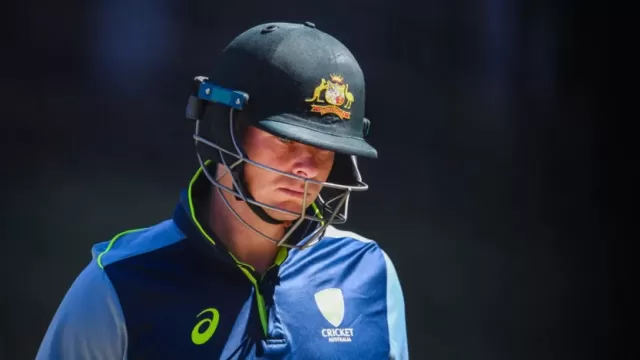
Before these recent setbacks, Smith had enjoyed a remarkable run of durability. His last Test absence prior to 2025 came during the 2019 Ashes, when he was ruled out with concussion after being struck by a bouncer.
Despite experiencing occasional bouts of vertigo over the years, none had previously forced him out of a Test match, making the Adelaide withdrawal particularly unusual.
Captain Cummins on the Late Change
Pat Cummins explained that Smith had been determined to play and gave himself every chance on the morning of the match. Ultimately, the decision was taken to prioritise his health over immediate team needs.
Cummins also expressed confidence in Khawaja’s ability to contribute, noting that having an experienced batter ready to step in was a fortunate outcome given the circumstances.
Impact on Australia’s Ashes Plans
Losing Smith at the last minute inevitably alters Australia’s tactical approach, particularly in the batting order. His experience, composure and ability to control an innings are difficult to replace.
However, the selectors’ decision to minimise disruption by inserting Khawaja directly into Smith’s slot reflects a belief that stability elsewhere can help offset the loss.
Pressure on the Middle Order
With Khawaja stepping into a pivotal role, additional responsibility will fall on Australia’s middle order to anchor the innings. The Adelaide Oval, known for its balance between bat and ball, will test technique and temperament alike.
Khawaja’s calm presence and experience against England could prove invaluable as Australia look to maintain momentum in the series.
A Test Match Defined by Sudden Change
The dramatic morning developments have ensured that the third Test will be remembered not only for what happens on the field but also for the extraordinary circumstances that shaped the team selection.
As play unfolds, the spotlight will remain firmly on how Australia adapt without one of their biggest stars and whether Khawaja’s unexpected recall can turn a disruptive setback into an opportunity.
Also Read: Messi Event Fiasco: Bengal Sports Minister Resigns









Disclaimer
Possible11 is a sports news and analysis platform designed purely for entertainment and educational purposes. All match previews, player insights, and team analyses are based on publicly available information and expert opinions. We do not promote or support betting, gambling, or real-money gaming in any form. Users are encouraged to enjoy our content responsibly and use it for informational purposes only.










Give Your Feedback