
Indian cricket has witnessed many moments of glory and heartbreak, but few defeats have cut as deep as the 2023 ODI World Cup final loss. Played at home, backed by record crowds and a near-perfect campaign, the final was expected to be the crowning moment of a dominant Indian side. Instead, it became a night of disbelief, silence and emotional exhaustion for players and fans alike.
At the centre of that storm stood Rohit Sharma, the captain who had carried not just the tactical responsibility of the team but also the emotional weight of a billion expectations. Years later, his candid admission about contemplating retirement after that loss offers a rare glimpse into the mental toll elite sport can take, even on its most successful figures.
Rohit’s journey from devastation to rediscovery is not merely about cricketing decisions but about resilience, self-reflection and learning to rebuild after a defining setback. His words resonate far beyond the boundary ropes, capturing the human side of leadership under relentless pressure.
A Dream World Cup Campaign That Promised Everything
Under the captaincy of Rohit, the Indian team enjoyed a dream run in that tournament at home and marched into the final with nine consecutive wins. The side dominated opponents with a fearless brand of cricket, combining aggressive batting with disciplined bowling and sharp fielding. Each match reinforced the belief that this campaign was destined for history.
Rohit’s leadership throughout the tournament was widely praised. He set the tone at the top of the order, embraced attacking intent in the powerplay, and allowed his players the freedom to express themselves. The team played with clarity and confidence, dismantling strong sides and entering the final unbeaten.
As the final approached, expectations reached unprecedented levels. Stadiums were packed, emotions ran high, and the sense of inevitability around India lifting the trophy was palpable. For Rohit, who had taken over the captaincy in 2022, this World Cup represented the culmination of a carefully built vision.
The Final That Changed Everything
However, Australia dashed their hopes in the game that mattered the most, delivering a clinical performance that stunned the hosts. Travis Head’s match-winning century turned the contest on its head, neutralising India’s bowling attack and silencing the home crowd.
For Rohit, the defeat was more than just a loss on the scoreboard. It was the shattering of a dream he had nurtured for years. Every decision, every sacrifice, and every ounce of preparation had been directed toward this singular goal. Watching it slip away in the final proved emotionally overwhelming.
The aftermath of the match was marked by visible anguish. Players struggled to process what had happened, and Rohit, as captain, bore the brunt of that collective disappointment. The loss left a scar that extended well beyond the field.
Rohit Sharma’s Emotional Confession
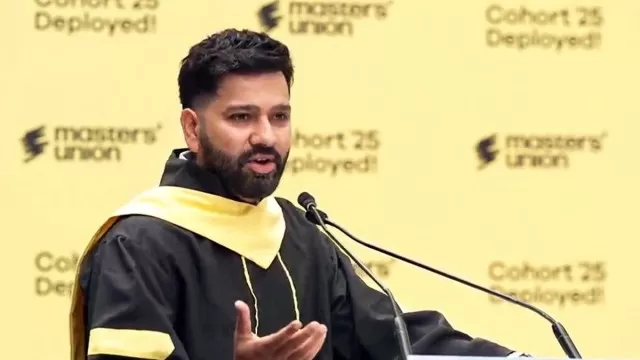
In a stunning revelation, former India captain Rohit Sharma said he contemplated retirement after the heartbreaking loss, admitting he felt completely drained by the sport. He described a sense of emptiness, as if cricket had taken everything out of him, leaving nothing more to give.
Speaking at a public event, Rohit acknowledged how deeply the defeat affected him personally. The emotional investment he had made since assuming leadership meant that the loss was not just professional but profoundly personal. For a brief period, he questioned whether he had the energy or desire to continue.
This level of honesty is rare in elite sport, where vulnerability is often hidden behind statistics and trophies. Rohit’s words highlighted the unseen battles athletes face, especially when success narrowly slips away after years of relentless effort.
The Weight of Leadership and Expectations
Captaining India is unlike leading any other cricketing side. The scrutiny is constant, the expectations immense, and the margin for error minimal. Rohit carried this burden throughout the tournament, knowing that success would elevate him to legendary status while failure would invite intense criticism.
He revealed that the disappointment was amplified because the preparation extended far beyond the tournament itself. From strategic planning to managing player roles and maintaining team morale, the captaincy demanded complete commitment. Losing the final made it feel as though all that effort had gone unrewarded.
For Rohit, the sense of responsibility toward teammates and fans intensified the emotional fallout. As leader, he felt accountable not just for his own performance but for the collective dream of the nation.
Finding the Strength to Continue
Despite the depth of his despair, Rohit gradually found his way back. He spoke about reminding himself of his love for the game and recognising that walking away in pain would not honour the journey he had undertaken. This period of reflection allowed him to reconnect with his purpose.
Time away from the spotlight played a crucial role in his recovery. Stepping back, processing the disappointment, and regaining emotional balance helped him rediscover the joy of playing cricket. The process was slow, but it was necessary.
Rohit’s experience underscores the importance of mental resilience in sport. Recovery is not always about immediate comebacks but about allowing space to heal, reset, and rebuild confidence.
Lessons from Defeat and the Power of Resetting
The 2023 final became a defining lesson in handling failure. Rohit acknowledged that such moments test an athlete’s character more than victories ever can. Learning to accept disappointment without letting it define one’s entire career was a critical step in his journey.
He described the period after the loss as one of introspection, where he reassessed priorities and goals. Rather than dwelling on what went wrong, he focused on what lay ahead, understanding that cricketing careers are shaped by how players respond to setbacks.
This mindset shift enabled Rohit to approach the next phase of his career with renewed clarity. The pain remained, but it no longer dictated his actions.
Redemption Through Future Success
Less than a year after the devastating loss, Rohit led India to a T20 World Cup triumph, a moment that helped heal some of the wounds from 2023. While the formats were different, the victory reaffirmed his belief in perseverance and faith in the process.
The triumph demonstrated that setbacks, no matter how severe, do not mark the end of a journey. For Rohit, it was proof that resilience and patience can eventually lead to redemption.
Yet, he has consistently maintained that the pain of the 2023 final never truly disappears. Instead, it becomes part of the narrative, shaping decisions and strengthening resolve.
Looking Ahead to the Final Chapter
Having stepped away from certain formats, Rohit continues to play the 50-over game with a clear objective. The desire to end his career on a meaningful note remains strong, and the prospect of one final World Cup attempt fuels his motivation.
His reflections reveal a cricketer who has made peace with both success and failure. Rather than being defined solely by trophies, Rohit’s legacy is increasingly shaped by leadership, honesty and emotional maturity.
The admission that he once considered retirement adds depth to his story, reminding fans that even the most accomplished athletes grapple with doubt. Ultimately, Rohit Sharma’s journey is a testament to resilience, showing that true strength lies not in avoiding failure but in finding the courage to rise after it.
Also Read: Gill Dropped From T20 WC: Gambhir Takes On Star Culture










Disclaimer
Possible11 is a sports news and analysis platform designed purely for entertainment and educational purposes. All match previews, player insights, and team analyses are based on publicly available information and expert opinions. We do not promote or support betting, gambling, or real-money gaming in any form. Users are encouraged to enjoy our content responsibly and use it for informational purposes only.







Give Your Feedback