

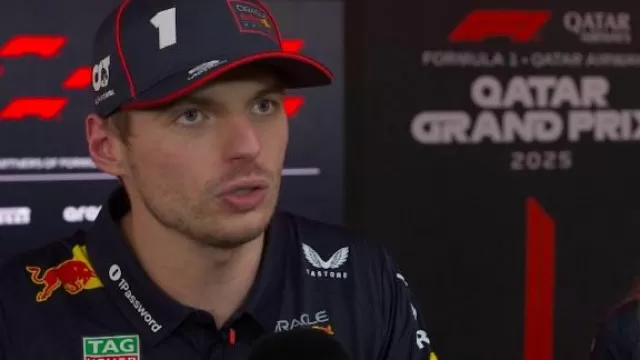
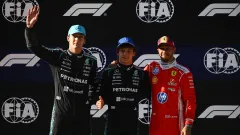
The Qatar Grand Prix delivered one of the most dramatic turning points of the Formula 1 season, leaving the paddock stunned and fans questioning how a title-contending team could unravel so quickly. What should have been a triumphant weekend for McLaren ended in disbelief, frustration and renewed concerns about a repeat of one of the team’s most infamous collapses. The reactions from drivers, engineers and onlookers showcased the magnitude of the strategic disaster that unfolded at Lusail.
The early laps of the race hinted at a dream scenario for McLaren, with Oscar Piastri leading confidently and Lando Norris holding a strong position. Yet within moments, an ill-timed and ill-considered decision flipped the race upside down. A choice not to pit under safety car conditions — a move every other team executed without hesitation — opened the door for their championship rival and delivered a crushing blow to both McLaren drivers. As the implications became clear, the situation escalated from a strategy error to a potentially season-defining catastrophe.
While McLaren has been admired this season for its rapid rise and internal fairness between teammates, the Qatar fallout has sparked heavy criticism. Many now wonder if the team is unintentionally reliving the ghosts of its 2007 campaign — a season marked by internal conflict, strategic misfires and a championship lost at the eleventh hour. With the final showdown approaching in Abu Dhabi, the pressure has never been higher, and the questions have never been louder.
McLaren’s Critical Error and Its Immediate Impact
The turning point of the race came on Lap 7, when a safety car was deployed after a clash between two midfield drivers. Every team up and down the grid interpreted the moment as the obvious time to pit, aligning their strategies with a mandatory 25-lap stint rule introduced for safety reasons. Yet McLaren chose the opposite approach, keeping both cars on track and handing their rivals a massive strategic advantage.
This single call reshaped the entire race. Instead of maintaining control at the front, Piastri and Norris found themselves forced into a compromised position. Max Verstappen, ever opportunistic, pitted immediately and locked himself into the optimal sequence. As the laps unfolded, the consequences became unmistakable. McLaren’s drivers were left vulnerable, losing track position and wasting precious time in traffic while their competitors executed their strategies cleanly.
The team later admitted the decision stemmed from an incorrect interpretation of the available options. While they believed staying out would give them flexibility later, the reality of the circuit layout — where overtaking is notoriously difficult — meant their choice was virtually impossible to recover from. The result was a double setback that cost Piastri a likely victory and denied Norris a chance to secure the championship early.
Patterns of Missteps and Frustration Within the Team
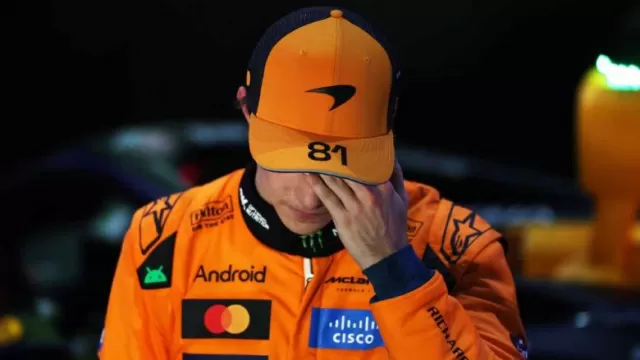
The Qatar mistake was not an isolated incident. It followed another blunder from the previous week, where both McLaren cars were disqualified due to a minute but avoidable technical infraction. Back-to-back errors have raised concerns about internal coordination, decision-making and consistency within the team at the most crucial stage of the season.
Piastri, who had shown remarkable pace all weekend, was left particularly disadvantaged. This is not the first time the Australian has shouldered the cost of team decisions. Earlier in the season, he ceded points to Norris to support the team’s broader ambitions, and controversies have emerged regarding strategy allocations that appear to lean slightly in Norris’ favour. Although both drivers publicly support McLaren’s equal-treatment philosophy, whispers around the paddock suggest recurring frustration.
Norris himself acknowledged the error, expressing disbelief that the team missed such a simple decision. As he put it, both drivers “should have done the double stack,” and had they executed the maneuver, the race outcome could have been dramatically different. The consistency of these missteps now casts a shadow over McLaren’s otherwise impressive season.
The 2007 Déjà Vu: Why History Feels Like It’s Repeating
McLaren fans cannot help drawing comparisons to the 2007 season — a year defined by internal rivalry, questionable calls and a championship lost to a rival lurking just behind. With Verstappen now only a small handful of points off the lead and McLaren declining to prioritise a single driver, the similarities are uncanny.
Back then, McLaren’s refusal to back either Lewis Hamilton or Fernando Alonso created tension that ultimately allowed Ferrari’s Kimi Räikkönen to snatch the title. Today, the situation feels strikingly similar. Piastri and Norris have both proven capable of winning, and the team’s desire to treat them equally — admirable in principle — may be enabling Verstappen’s comeback.
McLaren executives have repeatedly stated they prefer fairness over team orders, but with the championship on the line and only one race remaining, this idealistic stance may carry heavy consequences. The Qatar mishap reinforces fears that without a clearer hierarchy, the team risks sabotaging its own championship bid.
The Verstappen Factor and McLaren’s Mounting Pressure
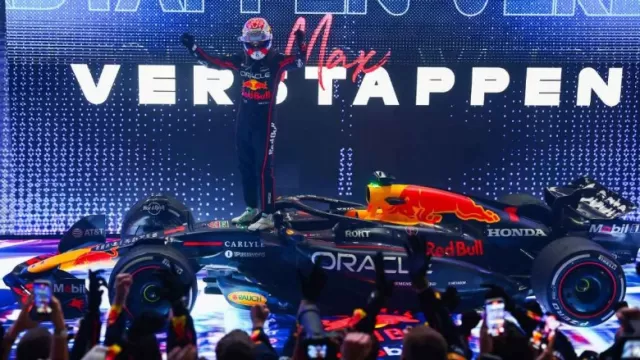
Max Verstappen’s form has been nothing short of extraordinary. Despite Red Bull struggling earlier in the season, his resurgence since the mid-year upgrades has been relentless. His consistency, precision and racecraft have kept him within striking distance even when logic suggested the title should have slipped away months ago.
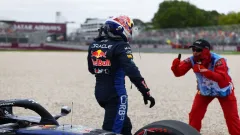
His immediate reaction to McLaren’s decision in Qatar — calling it a gift — highlights how critical the moment was. With five wins from the last eight races, Verstappen enters the Abu Dhabi finale energized and fully capable of overturning the standings. McLaren’s misjudgments have created the perfect conditions for a dramatic final battle, and Verstappen is eager to seize the opportunity.
Behind the scenes, Red Bull staff reportedly cannot believe they still have a shot at the championship, but even they acknowledge Verstappen’s relentless pursuit has kept them alive. His aggressive yet calculated style mirrors his reputation, and his remarks about being “Chucky,” the horror movie character that refuses to die, reflect his mindset heading into the final race.
The Final Showdown: Team Orders, Strategy and High-Stakes Decisions
The upcoming Abu Dhabi Grand Prix now carries extraordinary weight for McLaren. Not only must the team execute flawlessly, but they also face agonizing decisions regarding cooperation between Norris and Piastri. If one driver needs assistance to secure the title, will the team intervene? Will either driver willingly sacrifice their position? These are the dilemmas McLaren has avoided all season — but can no longer ignore.
Team principal Andrea Stella has emphasized fairness and integrity, promising no surprises for the drivers. However, he also acknowledged that if either driver remains genuinely capable of winning the championship, the team will respect that fight. The challenge lies in navigating what fairness means when one driver’s opportunity depends on the cooperation of the other.
As speculation grows, fans anticipate a tense and emotionally charged weekend. Whether McLaren can overcome its recent blunders or whether Verstappen completes an astonishing comeback remains to be seen. What’s clear is that the Qatar debacle has amplified the drama of the championship battle and set the stage for one of the most scrutinized finales in modern F1 history.
Also Read: India Thrashes Chile 7–0 in Junior World Cup Opener






Disclaimer
Possible11 is a sports news and analysis platform designed purely for entertainment and educational purposes. All match previews, player insights, and team analyses are based on publicly available information and expert opinions. We do not promote or support betting, gambling, or real-money gaming in any form. Users are encouraged to enjoy our content responsibly and use it for informational purposes only.



Give Your Feedback