
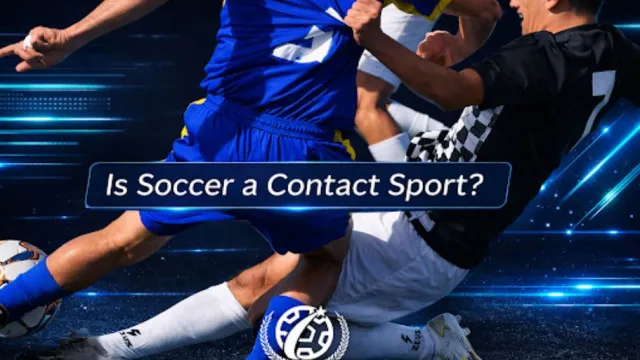
A lot of people look at soccer and get the wrong end of the stick straight away. No helmets. No shoulder pads. No giant men charging into each other every five seconds. So the quick verdict is: “That’s not a contact sport.” But that’s lazy thinking. Soccer may not look like rugby or American football, yet anyone who has played it properly knows the game is full of bumps, battles, shoulder clashes, late tangles, hard tackles, and aerial contests where bodies are never far apart.
That brings us to the real question: is soccer a contact sport? Yes, it is. No debate, really. The misunderstanding usually comes from people mixing up contact sports with collision sports. They are not the same thing. In collision sports, heavy impact is part of the design. In soccer, contact is part of the contest, but it is controlled by rules and judged constantly by the referee. That is a big difference.
And that matters because once you understand that difference, the game makes a lot more sense. Shoulder-to-shoulder duels are fine. Barging through someone recklessly is not. A clean tackle can be brilliant. Studs flying through an opponent is trouble. That line between fair and foul is where the sport lives.
In this guide, we’ll break down what is a contact sport, where soccer sits on that scale, how much contact is allowed in soccer, what the soccer contact rules actually allow, how legal and illegal contact are judged, and why injury risk still matters in a game that many outsiders wrongly call “non-contact.” And if you enjoy following the sport beyond the laws of the game, you can see how the competition is shaping up in the uefa champions league standings.
What Is a Contact Sport?
So, what is a contact sport? At its simplest, it is a sport in which players are allowed to make physical contact with one another as part of normal play. Cambridge Dictionary defines a contact sport as a sport in which players are allowed to touch each other when trying to get the ball. That broad idea fits soccer perfectly, because competing for the ball often involves physical engagement, even when the challenge is completely fair.
The better way to understand it is to see sport on a spectrum. Some games are built around forceful collisions. Others allow contact, but only within limits. Others try to remove player-to-player contact almost entirely.
| Category | Description | Examples |
|---|---|---|
| Collision Sports | Intentional and frequent heavy contact between players | American football, rugby, hockey |
| Contact Sports | Physical contact occurs but is regulated by rules | Soccer, basketball, baseball |
| Limited Contact | Contact happens occasionally but is restricted | Volleyball |
| Non-Contact Sports | Players do not physically interact | Tennis, swimming, golf |
That table clears up most of the confusion. Soccer is not a collision sport because smashing into opponents is not the point of the game. But it is absolutely a contact sport because physical interaction is allowed and often unavoidable. IFAB’s Laws of the Game recognize challenges involving physical contact, while also drawing clear lines around actions that are careless, reckless, or use excessive force. In other words, contact is accepted; dangerous contact is punished.
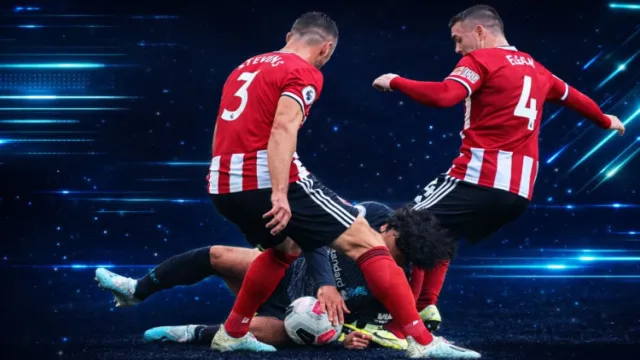
Is Soccer a Contact Sport?
Let’s answer it properly: is soccer a contact sport? Yes. Unequivocally. And if someone asks, is soccer considered a contact sport, the answer is the same.
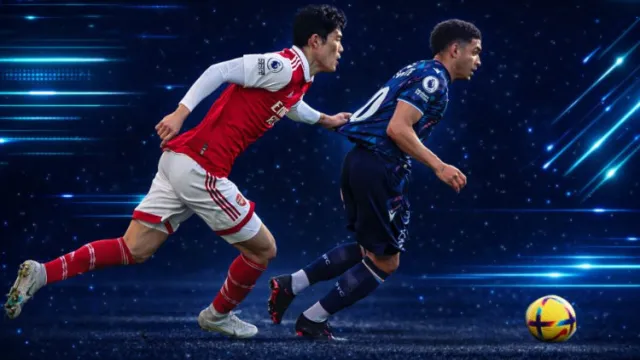
Think about an ordinary match. Two players sprint after a loose ball and lean into each other shoulder to shoulder. A defender steps in with a clean standing tackle and takes the ball. Two center-backs and a striker go up for a header and collide in the air. A midfielder shields possession with his body while an opponent tries to nudge him off balance. That is not rare. That is the game.
Soccer is officially governed by rules that permit certain forms of physical challenge. IFAB’s Law 12 makes that plain by distinguishing lawful challenges from fouls such as tripping, pushing, striking, charging recklessly, or using excessive force. If the sport were non-contact, referees would stop play every time players touched. They obviously do not, because fair contact is woven into the fabric of the match.
You see it all over the pitch:
- center-backs using strength to win position
- full-backs stepping into a challenge at pace
- midfielders shielding the ball under pressure
- forwards absorbing contact with a defender on their back
- players contesting headers in crowded spaces
That is why the old claim that soccer is “non-contact” misses the point completely. It is a skill sport, yes. It is a tactical sport, yes. But it is also a physical sport. The contact is just regulated more tightly than in rugby or American football.
How Much Contact Is Allowed in Soccer?
Now for the practical part: how much contact is allowed in soccer? Quite a bit, actually, but only within the limits of the Laws of the Game.
The basic principle is simple. Contact is allowed when it is part of a fair attempt to play the ball or fairly challenge for space near the ball. It becomes a foul when the action is careless, reckless, or uses excessive force. Those distinctions are central to Law 12 and to how referees manage matches at every level.
Common Legal Contact in Soccer
- Shoulder-to-shoulder challenges
- Shielding the ball from an opponent
- Clean standing tackles
- Sliding tackles that touch the ball first
- Physical challenges for aerial balls
That list matters because not every collision is a foul, and not every player who ends up on the grass has been wronged. Timing matters. Positioning matters. Intent matters. A strong shoulder challenge with the ball within playing distance can be perfectly legal. The same movement, delivered late or with the arms, can be a free kick. A sliding tackle that wins the ball cleanly may be excellent defending. A sliding tackle that scythes through the player is asking for a card.
This is where people often get confused. They see contact and assume illegality. That is not how the sport works. Soccer allows honest physical competition. What it does not allow is losing control of yourself and pretending it is part of the game. The referee’s job is to judge that line in real time, and the best officials do it with consistency and common sense.
So yes, contact belongs in soccer. It always has. But the sport insists that contact must serve the contest, not endanger the opponent. That is the balance, and that is why soccer sits firmly in the contact-sport category rather than anywhere else.
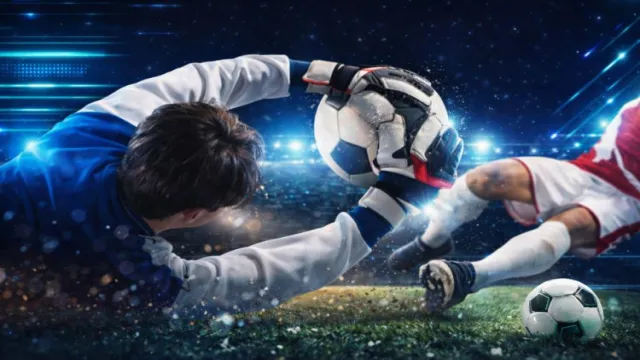
Soccer Contact Rules: Legal vs Illegal Contact
If you want the clearest answer on soccer contact rules, you go straight to Law 12 of the Laws of the Game. That is the section that deals with fouls and misconduct, and it lays out the difference between a fair physical challenge and a foul that deserves punishment. In simple terms, the game allows contact, but it does not give players a free pass to charge about like they have lost the run of themselves. Direct free kicks and penalty kicks can be awarded when a player trips, pushes, jumps at, charges, strikes, kicks, or tackles an opponent in a careless, reckless, or excessively forceful way.
Legal contact is the honest side of the contest. A fair shoulder challenge with the ball within playing distance is part of the sport. A clean tackle that wins the ball without crashing through the opponent is part of the sport too. So are those constant positioning battles you see all over the pitch, especially when defenders and forwards are wrestling for space before a cross comes in. The key is that the player is competing fairly, not barging, holding, or swinging into the opponent. IFAB’s wording is clear that the referee must judge whether the challenge is careless, reckless, or uses excessive force.
Illegal Contact in Soccer
- Tripping or attempting to trip an opponent
- Pushing or shoving
- Striking or elbowing
- Holding an opponent
- Jumping dangerously into another player
- Tackling with excessive force
Once a player crosses that line, the referee steps in. If the foul happens outside the box, that usually means a free kick. If it happens inside the penalty area against the defending side, it can be a penalty kick. On top of that, discipline comes into play. A careless foul may only bring the free kick. A reckless challenge can bring a yellow card. A tackle or challenge that endangers an opponent, or uses excessive force, can bring a straight red. That is how the game protects skill without removing physical competition altogether.
Can You Push in Soccer?
Now to a question people ask all the time: can you push in soccer? In general, no. Pushing is a foul. That is one of the clearest parts of Law 12. Players are allowed to compete physically, but there is a line between leaning into a fair shoulder challenge and extending the hands, forearms, or upper body to shove someone off the ball. Once that shove comes, the referee is entitled to stop play.
The difference is easy enough if you strip away the drama. Legal: two players go shoulder to shoulder while chasing a loose ball, neither one using the arms, both trying to win position fairly. Illegal: one player puts both hands into the opponent’s back, or drives a forearm into him to create space. That is not strength. That is a foul. And in crowded areas, especially in the box, those little pushes are exactly the sort of thing referees watch closely because they can decide matches.
Accidental Contact in Soccer
Not every collision is a crime scene. Soccer is fast, tight, and messy at times, so accidental contact is unavoidable. Two players jump for the same header and bang heads. Two opponents sprint after a loose ball and crash into each other because neither sees the other in time. Legs get tangled in a tackle. A player lands awkwardly after being nudged in the air or simply coming down off balance. These things happen because bodies are moving at speed in the same spaces.
The referee’s job is to sort the genuine accident from the foul. Was it accidental? Was it careless? Was it reckless? Did it involve excessive force? That judgment shapes the decision. Sometimes play goes on. Sometimes there is a free kick. Sometimes a card comes out because what looked clumsy at first glance was actually dangerous. That is why players need more than bravery; they need awareness, timing, and a bit of discipline as well.
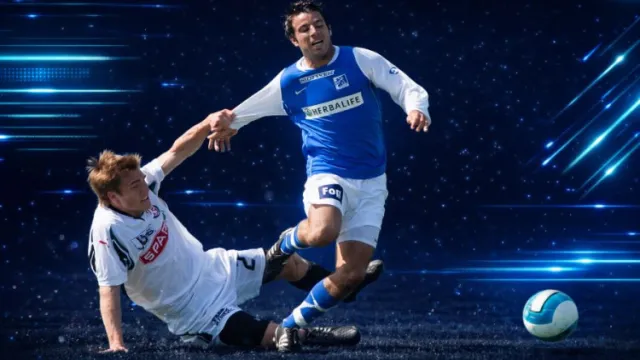
Injury Risks in Soccer
Even though soccer is not a collision sport, injuries are still part of the landscape. Research reviews and injury surveillance reports show that football produces a meaningful injury burden, with rates varying by age, level, and setting. A recent tournament study in elite international men’s football reported an overall injury incidence of 4.0 per 1,000 hours, while broader reviews of adult male soccer have found much wider ranges depending on whether the data come from training, matches, or specific competitions.
And if you have spent any time around the game, that rings true. The common problems are not hard to spot: sprains, muscle strains, ankle injuries, and concussions. Lower-body injuries are especially common because the sport demands constant sprinting, cutting, tackling, landing, and twisting. Contact plays a role, but movement does too. A player does not always need a heavy hit to get hurt; sometimes one bad landing does the damage. That is why proper technique and awareness matter so much.
How Players Stay Safe During Contact
There is no magic trick here. Safer play starts with doing the basics properly. Tackle with control. Stay balanced. Know when to engage and when to delay. Keep your eyes open in aerial duels. Respect the opponent enough not to dive into mad challenges. A lot of injuries come from poor timing, panic, or players trying to win the ball after they have already lost the moment. Good coaching helps, but so does common sense.
Protective gear matters as well, even in a sport that does not use heavy padding. Shin guards are compulsory under the Laws of the Game, and for obvious reasons. Goalkeepers often use padded gloves and clothing for extra protection. Some players add ankle support depending on position, past injuries, or personal preference. The gear will not remove risk entirely, but it can reduce it, and in a physical match that matters.
Soccer vs Other Contact Sports
This is where some perspective helps. Soccer is a contact sport, but it is not rugby, and it is not American football. In rugby and American football, forceful collisions are baked into the structure of the sport. In soccer, contact is secondary to the main objective, which is to control and move the ball with skill and intelligence. The game allows body contact, but it regulates it much more tightly.
Against basketball, the comparison is a bit closer. Both sports involve body positioning, contested space, and plenty of incidental contact. The difference is that soccer often produces longer runs, faster chases into open space, and more aerial contests, which create their own kind of risk. So yes, soccer sits firmly in the contact category, but it lives there in its own way: controlled, contested, and always under the eye of the referee.
Conclusion
So let’s finish it plainly. Soccer is considered a contact sport. There is no real argument there. Players challenge, lean, tackle, jostle, and compete for space all match long. But the physical side of the game is controlled by rules, especially Law 12, which separates fair contact from fouls and dangerous play.
That is why understanding the soccer contact rules matters. It helps players compete properly, helps coaches teach the game the right way, and helps everyone stay a bit safer. In the end, soccer is not just about touch, tactics, and flair. It is also about timing, bravery, balance, and controlled physicality. And truth be told, that is part of what makes it such a brilliant game to watch and play.
Frequently Asked Questions (FAQ)
Is soccer a contact sport?▼
Is soccer considered a contact sport or collision sport?▼
How much contact is allowed in soccer?▼
Can you push in soccer?▼
What is a contact sport?▼
What are the main soccer contact rules?▼











Disclaimer
Possible11 is a sports news and analysis platform designed purely for entertainment and educational purposes. All match previews, player insights, and team analyses are based on publicly available information and expert opinions. We do not promote or support betting, gambling, or real-money gaming in any form. Users are encouraged to enjoy our content responsibly and use it for informational purposes only.


Give Your Feedback