
The build-up to the India-Pakistan clash at the T20 World Cup 2026 has taken on a dimension far beyond cricket, with diplomacy, boardroom tensions and regional politics all playing a role. As one of the most-watched matches in world sport approaches, the spotlight is also shifting toward behind-the-scenes conversations between key Asian cricket boards.
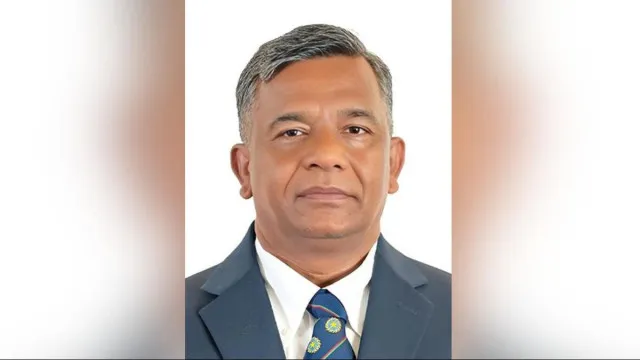
Bangladesh Cricket Board chief Aminul Islam has confirmed that he will travel to Colombo to attend the high-profile encounter. His presence is being viewed as an important step toward easing strained relations between the BCB and the BCCI after weeks of tense exchanges and uncertainty surrounding Bangladesh’s participation in the tournament.
With the International Cricket Council stepping in to bring major Asian stakeholders together, this meeting could become a significant ice-breaker moment, potentially reshaping cricket diplomacy in the region.
Aminul Islam To Be In Colombo For India-Pakistan Clash
Bangladesh Cricket Board chief Aminul Islam stated that he will be present in Colombo to watch the India-Pakistan T20 World Cup match scheduled for February 15, 2026. The invitation for the marquee fixture has reportedly come directly from the ICC.
The match is expected to draw massive global attention, but for Aminul Islam, it also represents an opportunity to engage in dialogue with the BCCI leadership after a period of strained communication.
His comments suggest that the occasion is not only about cricket but also about restoring working relationships within Asian cricket governance.
ICC Wants Asian Stakeholders Together At The Ground
According to Aminul Islam, the ICC has taken a deliberate decision to ensure representatives from the five major Asian cricket nations attend the match together.
India, Pakistan, Sri Lanka, Bangladesh and Afghanistan form a powerful Asian block within the ICC framework, and the world body appears keen to encourage unity and communication among them.
The plan is for officials to watch the game together, interact in person and potentially reduce friction that has surfaced in recent weeks.
Can This Meeting End BCCI-BCB Tensions?
When asked whether the gathering could help resolve tensions with the BCCI, Aminul Islam acknowledged that it could indeed be viewed as an ice-breaker opportunity.
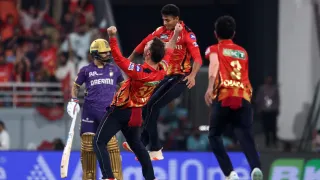
The relationship between the two boards has faced turbulence, with disputes escalating after developments involving Bangladesh pacer Mustafizur Rahman and his IPL contract situation.
This upcoming interaction in Colombo may provide a neutral platform for rebuilding trust and clarifying misunderstandings.
The Mustafizur Rahman IPL Episode That Sparked Strife
The BCCI-BCB conflict reportedly began after the Indian board ordered the release of Mustafizur Rahman from his IPL contract with Kolkata Knight Riders, citing unspecified developments.
This decision led to widespread speculation and triggered concerns within Bangladesh cricket circles about the broader environment surrounding bilateral cooperation.
The episode became the starting point of a much larger dispute involving security, travel decisions and ICC intervention.
Bangladesh Refused To Travel To India Over Security Concerns
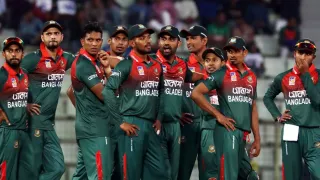
Following the controversy, Bangladesh refused to travel to India for their scheduled World Cup matches, citing security worries.
The decision created a major standoff, as the ICC conducted its own assessment and reportedly categorized the threat perception as low to moderate.
Despite lengthy discussions, Bangladesh maintained its position, leading to unprecedented consequences in the tournament structure.
Bangladesh Replaced By Scotland In The Tournament
As Bangladesh remained firm in its refusal, the ICC eventually replaced the team with Scotland in the tournament lineup.
The omission of Bangladesh was seen as a major moment for global cricket, with many observers calling it a sad setback for the sport.
The move intensified diplomatic reactions across the region, especially from Pakistan, which expressed solidarity with Bangladesh.
Pakistan’s Boycott Threat And Its Resolution
In response to Bangladesh’s exclusion, the Pakistan government announced a boycott of the India match as a gesture of support.
However, the impasse was later resolved after persuasion from the BCB and the Sri Lankan government, leading Pakistan Prime Minister Shehbaz Sharif to withdraw the call.
This resolution helped prevent further disruption to the tournament’s most anticipated fixture.
ICC Decides Against Penalising Bangladesh
After additional rounds of discussions, the ICC chose not to penalise the BCB for its earlier stance.
Instead, Bangladesh was allotted an ICC event in the 2028-2031 cycle, a move interpreted as an effort to maintain balance and goodwill.
The decision indicates that the ICC is prioritising long-term cooperation over punitive measures.
Memorandum Of Understanding To Ensure Assurances Are Permanent
Aminul Islam revealed that the Bangladesh Cricket Board will prepare a Memorandum of Understanding to ensure that all assurances are clearly documented.
He emphasized that the agreement will be detailed line by line, leaving no room for uncertainty or deviation in the future.
This step reflects the board’s intent to avoid misunderstandings and ensure commitments remain firmly established.
MoU Model Already Used In Previous ACC Meetings
Islam referenced a similar situation during the Asian Cricket Council Annual General Meeting in Dhaka, where an MoU-type document was prepared.
That agreement ensured that no party could deviate from the contract, providing clarity and stability in decision-making.
The BCB now wants to adopt the same approach with the ICC to safeguard future cooperation.
Cricket Diplomacy Takes Center Stage At T20 World Cup
The India-Pakistan clash has always been more than just a cricket match, but this time, it also carries diplomatic significance for cricket boards across Asia.
The ICC’s push for representatives to sit together signals a desire to strengthen dialogue and reduce political spillovers into sport.
For fans, it remains a blockbuster contest, but for administrators, it could be a turning point in regional cricket relations.
What This Means For Asian Cricket Moving Forward
If Aminul Islam’s expected meeting with the BCCI leadership goes smoothly, it may open doors for improved communication and cooperation.
Asian cricket thrives when its major boards function collaboratively, especially given their influence within the ICC.
The Colombo gathering could become the first step toward restoring stability after weeks of tension.
Conclusion
Bangladesh Cricket Board chief Aminul Islam’s visit to Colombo for the India-Pakistan T20 World Cup match is shaping up to be more than a ceremonial appearance.
With ICC-driven efforts to bring Asian stakeholders together, the event could serve as an important ice-breaker between the BCB and BCCI.
As cricket continues to intersect with diplomacy, the coming days may prove crucial not only for the tournament but also for the future of Asian cricket governance.
Also Read: T20 World Cup 2026: Italy Shock Nepal With Crushing Win









Disclaimer
Possible11 is a sports news and analysis platform designed purely for entertainment and educational purposes. All match previews, player insights, and team analyses are based on publicly available information and expert opinions. We do not promote or support betting, gambling, or real-money gaming in any form. Users are encouraged to enjoy our content responsibly and use it for informational purposes only.






Give Your Feedback