
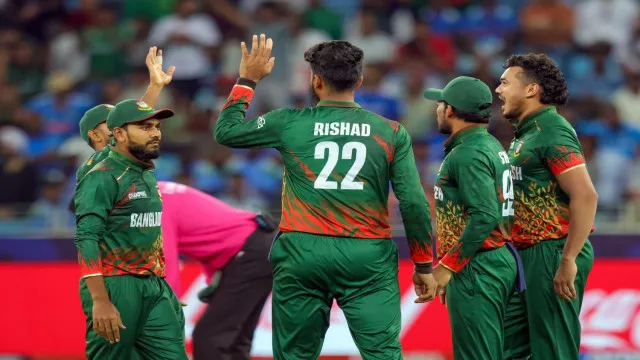
The international cricket landscape has been rocked by a dramatic decision just weeks before the start of the 2026 T20 World Cup. After prolonged discussions and emergency meetings, the global governing body has taken a step that has sparked intense debate among fans, administrators, and former players.
With the tournament fast approaching, uncertainty surrounding team participation forced authorities to make a firm call. What began as a security-related concern soon escalated into a high-stakes governance issue involving national boards and government approvals.
The outcome has reshaped the tournament lineup, marking one of the most controversial administrative calls in recent cricket history.
ICC Replaces Bangladesh With Scotland
The ICC has officially replaced Bangladesh with Scotland at the 2026 T20 World Cup following weeks of negotiations with the Bangladesh Cricket Board.
The decision came after Bangladesh maintained its refusal to send the national team to India, where a significant portion of the tournament is scheduled to be held.
With the opening match less than two weeks away, the governing body concluded that waiting any longer would jeopardize the event.
Stalemate After ICC Board Meeting
The final call followed an ICC board meeting in which directors discussed the feasibility of accommodating Bangladesh’s request.
Despite multiple rounds of talks, Bangladesh did not alter its stance even after being given extended time.
The board ultimately voted by a clear majority in favor of replacing the team if travel approval was not secured.
Email Confirmation Sent to BCB
According to officials familiar with the process, the ICC informed the Bangladesh Cricket Board of its decision through an official communication.
The message was sent after the BCB confirmed that the Bangladesh government had not granted permission for the team to travel to India.
This communication effectively ended nearly three weeks of negotiations between the two sides.
Attempt to Take Matter to Dispute Committee
In its correspondence, the BCB indicated its intention to approach the ICC Dispute Resolution Committee.
The committee is designed to review disputes involving governance and procedural fairness between member boards and the ICC.
However, questions remain over whether such a route is applicable in this case.
Limits of the Dispute Resolution Process
Under existing rules, the Dispute Resolution Committee does not function as an appeal body against ICC board decisions.
Its jurisdiction is limited to reviewing the lawfulness of decisions rather than overturning them.
This has led many observers to believe that the BCB’s options may be extremely limited.
Emergency Meeting Sealed the Outcome
The decisive moment came during an emergency video conference meeting of the ICC board.
During this session, directors voted overwhelmingly to replace Bangladesh if the team did not agree to follow the existing schedule.
The urgency stemmed from the tournament’s proximity and logistical challenges.
ICC Cites Scheduling Constraints
In its statement, the ICC said it was not feasible to alter the schedule so close to the tournament’s start.
Officials emphasized that changing venues or match allocations at the last moment would disrupt broadcasters, teams, and host cities.
Such changes, the board argued, could compromise the integrity of the event.
Concerns Over Setting a Dangerous Precedent
The ICC also expressed concern that modifying schedules without credible security threats could create a precedent.
According to the board, this could undermine neutrality and invite similar demands in future tournaments.
Maintaining consistent standards was described as essential for the long-term credibility of global events.
Bangladesh Group Matches Handed to Scotland
Bangladesh had been placed in Group C of the tournament.
The team was scheduled to play its first three matches in Kolkata, followed by a fourth fixture in Mumbai.
All four matches will now be played by Scotland instead.
Bangladesh Government Maintains Its Position
After the ICC deadline expired, both the Bangladesh government and the cricket board reiterated their refusal to travel.
Officials stated that security concerns remained unresolved despite reassurances.
This firm stance ultimately left the ICC with limited alternatives.
Accusations of Double Standards
The BCB president publicly accused the ICC of applying double standards.
He pointed to past situations where travel refusals were handled differently.
This argument intensified debate around consistency in international cricket governance.
Comparison With Previous Tournament Decisions
The Bangladesh board referenced earlier cases involving venue changes and travel decisions.
They argued that similar flexibility should have been extended in this instance.
The ICC, however, rejected comparisons, citing differing circumstances.
Origins of the Security Dispute
The issue gained momentum earlier in January following developments involving an Indian franchise and a Bangladeshi player.
This episode coincided with worsening diplomatic relations between the two countries.
Soon after, Bangladesh formally communicated its concerns to the ICC.
ICC Rejects Link to Domestic League Issues
The governing body dismissed the connection between the tournament and unrelated domestic league matters.
Officials stated that a single isolated incident could not be used to justify withdrawal.
They maintained that tournament security frameworks remained robust.
Scotland Receives Unexpected Opportunity
For Scotland, the decision opens the door to a rare chance on the world stage.
The team now steps into a high-profile tournament with minimal preparation time.
Despite the short notice, Scottish cricket officials have welcomed the opportunity.
Impact on Tournament Dynamics
The sudden change is expected to alter group dynamics and competitive balance.
Teams preparing for Bangladesh will now face a different style of opposition.
This shift adds an element of unpredictability to the early stages of the competition.
Reactions Across the Cricket World
The decision has triggered strong reactions from fans and analysts alike.
Some have praised the ICC for enforcing discipline, while others view the move as harsh.
Debate continues across cricketing nations.
Governance Versus Diplomacy
The episode highlights the growing tension between cricket administration and geopolitical realities.
National boards increasingly operate under government influence.
This overlap complicates decision-making at the international level.
Lessons for Future ICC Events
The controversy is expected to influence future tournament planning.
Clearer protocols regarding government permissions may become necessary.
The ICC may also review timelines for resolving such disputes.
Bangladesh’s Absence Leaves a Void
Bangladesh’s exclusion marks a significant moment for the team and its supporters.
Missing a global tournament carries sporting and financial consequences.
It also raises questions about long-term international participation.
Focus Shifts Back to Cricket
With the decision finalized, attention now turns back to the tournament itself.
Organizers aim to ensure a smooth start despite the late change.
All eyes will now be on how Scotland performs on the global stage.
A Defining Moment for T20 World Cup 2026
The replacement decision will likely be remembered as one of the most dramatic administrative calls in T20 World Cup history.
It reflects the complex intersection of sport, politics, and governance.
As the tournament begins, its impact will continue to be discussed long after the final match.
Also Read: Pune Traffic Update January 23 Changes for Grand Tour












Disclaimer
Possible11 is a sports news and analysis platform designed purely for entertainment and educational purposes. All match previews, player insights, and team analyses are based on publicly available information and expert opinions. We do not promote or support betting, gambling, or real-money gaming in any form. Users are encouraged to enjoy our content responsibly and use it for informational purposes only.










Give Your Feedback