

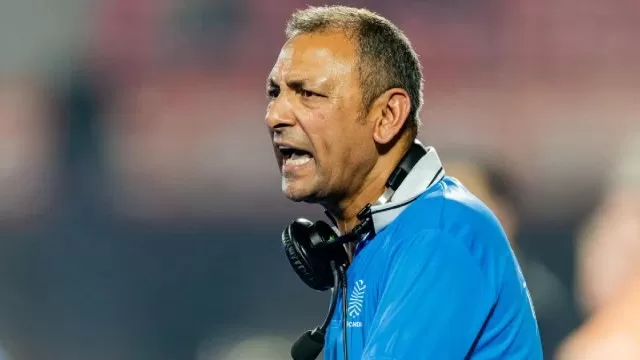
The sudden exit of women’s hockey chief coach Harendra Singh has triggered a wide discussion about leadership, team environment, and the growing pressure inside high-performance sport. His departure comes less than a year after taking charge, marking a tense chapter for the national side. In recent weeks, concerns inside the squad had steadily intensified, ultimately prompting action from Hockey India. The decision to part ways followed internal reviews, discussions with players, and a close look at the troubling decline in performances.
For many within the setup, the last few months were marked by frustration and uncertainty. Players reportedly raised issues regarding the approach to team management, the rise in injuries, and an atmosphere that some described as increasingly difficult. These concerns, combined with on-field struggles, created a situation that became increasingly difficult to ignore. While the official announcement states that Harendra resigned due to personal reasons, the circumstances surrounding the decision point to deeper underlying issues within the team structure.
The episode has cast a spotlight on the critical balance between discipline and player welfare, especially in elite programs. As the team navigates this transition, the focus now shifts to restoring confidence, revisiting training and support systems, and stabilising the environment ahead of major tournaments. With World Cup qualification in question and key competitions approaching, the months ahead will test both administration and athletes.
Background and Circumstances Leading Up to the Exit
Harendra Singh’s tenure began with optimism, especially after his appointment followed India’s unsuccessful Paris Olympics qualification run. The federation entrusted him with rebuilding the team, realigning strategies, and strengthening India’s standing in international hockey. For a brief period, the team did see moments of promise, including a strong performance at the Asian Champions Trophy. However, those early results could not shield the growing internal issues that soon surfaced.
Over time, concerns among players reportedly grew more pronounced. Senior members of the squad shared feedback with officials about an increasingly strained environment, stressing that communication, training load, and overall team handling needed major improvements. These concerns eventually reached the Union Sports Ministry, setting off additional scrutiny on the functioning of the coaching setup.
What followed was a thorough review conducted by Hockey India, with officials meeting players individually at the ongoing national camp. During these sessions, it became evident that a significant portion of the team was no longer comfortable continuing under the same leadership. This, combined with the team’s inconsistent form, led to the eventual decision to accept the coach’s resignation.
Player Concerns and the Growing Disconnect
The most notable aspect of the situation was the level of dissatisfaction expressed by players. Many indicated that the team environment had deteriorated, with several citing issues related to communication, fairness, and workload management. A rise in injuries also became a major concern, with multiple players reportedly dealing with physical setbacks during the season.
According to accounts from within the camp, some athletes felt uncomfortable reporting injuries due to fears of repercussions or being sidelined. This pressure, combined with perceptions of inconsistent treatment, contributed to a sense of instability. Players believed that these factors were directly affecting individual performances and team cohesion.
Amid these concerns, the squad began losing confidence both in the training process and match-day strategies. As results began to decline, frustration increased, deepening the rift between the playing group and the coaching staff. The communication gap reportedly widened further, leading players to escalate the issue to higher authorities when internal improvements did not materialise.
Performance Decline and Tactical Struggles
The Indian women’s hockey team struggled in several key tournaments during the season, including the FIH Pro League, where they finished last. Despite moments of resilience, the overall campaign exposed weaknesses in structure, adaptability, and consistency. With just a handful of victories across major international outings, the downward trend became unmistakable.
A particularly significant setback came in the Asia Cup, where India reached the final but fell short against China. This result, combined with the poor league showing, placed additional pressure on the team’s World Cup qualification prospects. Analysts pointed to tactical rigidity, limited rotation options, and a lack of momentum as contributing factors.
These competitive struggles compounded internal tensions. Even as senior players attempted to bring stability, the gap between planning and execution continued to widen. The federation recognised that without an immediate course correction, the team risked losing further ground internationally.
Internal Review and Key Findings
The review process launched by Hockey India highlighted several recurring themes. One of the most prominent findings was the erosion of trust between the athletes and coaching staff. Officials noted that multiple players had raised similar concerns, demonstrating that the issues were not isolated.
Player welfare also emerged as a central concern. Reports indicated that more than ten players were dealing with some form of injury, prompting questions about training intensity, load distribution, and medical oversight. Some athletes felt they were being rushed into play without adequate recovery, creating long-term risks.
In addition, the review found that communication breakdowns were creating misunderstandings around selection decisions, tactical expectations, and feedback processes. This lack of clarity had a direct impact on morale, making it difficult to maintain team unity during competitions.
The Resignation and Official Response
Once the findings were reviewed, Hockey India decided it was necessary to make an immediate change. The governing body stated that Harendra Singh stepped down due to personal circumstances, but sources close to the matter indicated that the decision was also influenced by player feedback and recent performances.
In his departing statement, Harendra expressed gratitude for the opportunity and praised the effort put in by players during his tenure. He described coaching the national team as a major career milestone and wished the squad success going forward. The federation acknowledged his contributions but emphasised the need for moving ahead decisively.
While the official exit was framed as a resignation, the backdrop of complaints, internal reviews, and performance concerns made it clear that the administration saw the change as essential for the long-term health of the program.
Impact on the Team and Path Forward
The players now face a critical rebuilding phase. With confidence shaken and key tournaments approaching, the federation’s immediate goal will be to restore stability and ensure that athletes feel supported. A revamped training approach, renewed communication systems, and enhanced medical oversight will form the foundation of this recovery.
Hockey India is already considering potential replacements, including experienced international coaches familiar with India’s setup. The next coach will inherit both challenges and opportunities: a talented squad capable of strong results, but one that requires cohesive leadership and clear direction.
Despite the turbulence, the team’s core strength remains intact. With the right support system and strategic adjustments, there remains significant potential for resurgence. The federation’s next decisions will play a decisive role in shaping India’s journey toward major global tournaments.
Also Read: Will Jacks Returns to England XI for Crucial Ashes Test


Disclaimer
Possible11 is a sports news and analysis platform designed purely for entertainment and educational purposes. All match previews, player insights, and team analyses are based on publicly available information and expert opinions. We do not promote or support betting, gambling, or real-money gaming in any form. Users are encouraged to enjoy our content responsibly and use it for informational purposes only.
Give Your Feedback