

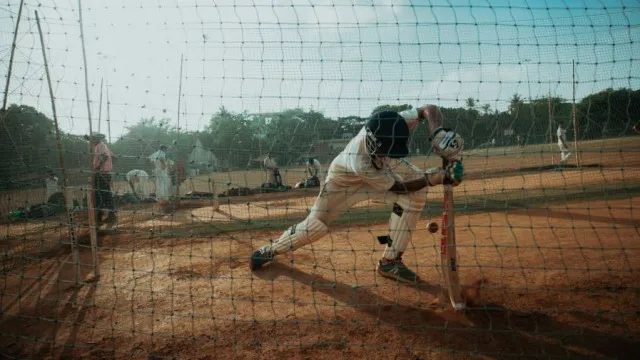
Cricket in India is more than a sport — it is a massive cultural and economic engine that shapes daily life, conversations, and commerce. From small roadside tea stalls to billion-dollar television studios, the game has influenced how businesses operate, market themselves, and connect with customers. Even digital platforms like CroreWin site in India often tap into cricket’s popularity to reach audiences who follow matches with near-religious devotion. But beyond advertising and sponsorships, cricket has fundamentally transformed everyday Indian businesses in ways few other sports ever could.
This article explores how cricket moved from dusty local grounds to global TV screens — and how that journey reshaped India’s economic landscape.
The Rise of Cricket as a Business Force
Cricket’s roots in India stretch back to colonial times, but its explosion into a national obsession happened in the late 20th century. Landmark moments — like India’s 1983 World Cup victory and the liberalization of the economy in the 1990s — turned cricket into a commercial powerhouse.
As television reached more households, cricket became prime-time entertainment. Advertisers followed viewers, and businesses realized that aligning with cricket meant instant visibility. Over time, the sport became a platform for brands of all sizes — from multinational corporations to neighborhood vendors.
Tea Stalls and Street Vendors: Cricket at the Grassroots Level
At the most basic level, cricket transformed small local businesses. Tea stalls, snack vendors, and roadside eateries often experience spikes in sales during matches. A World Cup game or an IPL clash can turn a quiet corner shop into a bustling hub.
Many tea stalls install small televisions or radios to attract customers. People gather to watch matches, discuss players, and debate strategies, often staying for hours. For these vendors, cricket isn’t just entertainment — it’s a business strategy that drives foot traffic and boosts sales of tea, samosas, and snacks.
Some entrepreneurs even create cricket-themed menus, offering discounts during matches or naming snacks after famous players. This fusion of sport and commerce shows how deeply cricket penetrates everyday economic life.
Advertising Agencies and Media Companies: Cricket as Prime Content
As cricket’s popularity grew, so did its value to advertisers and media companies. Television networks compete fiercely for broadcasting rights, investing billions to secure exclusive coverage of tournaments like the IPL and ICC events.
Advertising agencies build entire campaigns around cricket, leveraging emotional storytelling, celebrity endorsements, and national pride. Cricket commercials often become cultural moments themselves, remembered long after tournaments end.
Media production companies thrive on cricket-related content: pre-match shows, expert panels, highlight reels, documentaries, and player interviews. Cricket provides a continuous stream of content that fuels India’s massive entertainment industry.
Sponsorships and Brand Partnerships: Cricket as a Marketing Platform
Cricket sponsorships have transformed how brands approach marketing in India. Companies sponsor teams, players, stadiums, and tournaments to build brand awareness and trust.
For startups and digital platforms, cricket offers instant credibility. Associating with a popular team or tournament helps brands reach millions of fans in a short time. This strategy is used across industries — telecom, fintech, e-commerce, automobiles, and entertainment.
Even small regional brands sponsor local tournaments or clubs, using cricket to connect with communities and build loyalty.
Hospitality and Tourism: Matches as Economic Events
Cricket matches drive massive economic activity in host cities. Hotels, restaurants, transport services, and local vendors benefit from traveling fans and teams.
Major tournaments transform cities into festival zones. Hotels fill up, cab services see increased demand, and restaurants extend hours to serve fans. Street vendors sell flags, jerseys, and snacks near stadiums, creating temporary micro-economies around matches.
Cricket tourism also attracts international visitors, boosting foreign exchange and promoting India as a sporting destination.
Television Studios and Production Houses: Cricket as Entertainment
Cricket’s transformation into televised entertainment reshaped TV studios and production houses. Matches are now produced like cinematic events, with multiple camera angles, real-time graphics, and immersive commentary.
Studios hire analysts, former players, and celebrities to host shows, blending sports analysis with entertainment. Reality-style segments, fan interactions, and social media integration make cricket broadcasts highly engaging.
This evolution created new careers in sports journalism, production, analytics, and digital media, expanding India’s creative economy.
Small Towns and Rural Economies: Cricket as a Local Catalyst
Cricket’s influence isn’t limited to big cities. In small towns and villages, local tournaments boost micro-economies. Grounds are rented, local sponsors advertise, and vendors sell food and equipment.
Coaching academies and training centers create jobs for former players and coaches. Sporting goods shops sell bats, balls, and kits, supporting local supply chains.
For many rural entrepreneurs, cricket provides both income and social status, turning sport into a community-driven business ecosystem.
Celebrity Players as Business Icons
Indian cricketers are not just athletes; they are brands. Players endorse products, launch businesses, invest in startups, and create personal brands that influence consumer behavior.
From fitness brands to fashion lines and digital platforms, cricketers leverage their popularity to build business empires. Their influence extends to small businesses, where posters, cutouts, and themed products featuring star players attract customers.
Cricket celebrities blur the line between sports and entrepreneurship, inspiring fans to see sports as a viable career path.
Cricket and Cultural Commerce
Cricket has also shaped cultural commerce — films, music, literature, and festivals often revolve around the sport. Bollywood movies use cricket as a backdrop, while music videos and web series incorporate cricket themes.
Brands release limited-edition products during tournaments, from beverages to gadgets. Festivals and viewing parties generate revenue for event organizers, caterers, and entertainers.
Cricket has become a cultural product that drives consumption across multiple industries.
Challenges and Ethical Considerations
While cricket-driven business growth is impressive, it also raises challenges. Over-commercialization can overshadow grassroots development. Small businesses may depend heavily on tournament cycles, making income seasonal and unpredictable.
Advertising saturation can lead to consumer fatigue, and the influence of betting and gaming platforms raises ethical questions about responsible marketing. Balancing commercial interests with the spirit of the sport remains an ongoing challenge.
The Future: Cricket as an Economic Ecosystem
Cricket’s business impact will likely grow as technology evolves. Virtual reality broadcasts, AI-driven analytics, personalized fan experiences, and global leagues will expand cricket’s commercial footprint.
Local businesses will continue to innovate, using cricket to attract customers and differentiate themselves. From smart tea stalls with digital payments to global streaming studios with advanced production, cricket will remain a bridge between tradition and modernity.
Conclusion: A Game That Built Businesses
From humble tea stalls to high-tech TV studios, cricket has transformed everyday Indian businesses in remarkable ways. It fuels local economies, drives national advertising, powers digital platforms, and inspires entrepreneurship across the country.
Cricket is not just India’s favorite sport — it is one of its most influential industries. Every match played on a dusty field or under stadium lights creates ripples across markets, media, and communities.
In India, cricket is more than a game. It is a business revolution that started on the streets and now dominates screens worldwide — one boundary, one sponsorship, and one small business at a time.










Disclaimer
Possible11 is a sports news and analysis platform designed purely for entertainment and educational purposes. All match previews, player insights, and team analyses are based on publicly available information and expert opinions. We do not promote or support betting, gambling, or real-money gaming in any form. Users are encouraged to enjoy our content responsibly and use it for informational purposes only.


Give Your Feedback