

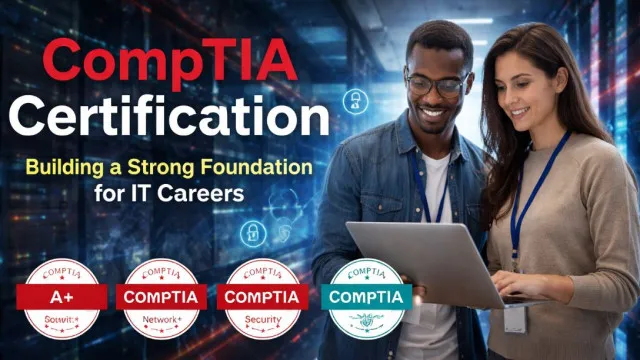
In the fast-paced world of technology, validating your skills is more important than ever. CompTIA certifications are recognized globally as a reliable standard for assessing IT knowledge and expertise. These certifications cover a broad range of topics, including networking, security, cloud computing, hardware, and cybersecurity. They serve as a stepping stone for professionals entering the IT field as well as experienced practitioners looking to specialize and advance their careers.
CompTIA certifications are designed to be vendor-neutral, which means they provide knowledge that is applicable across a wide range of platforms and technologies. This approach ensures professionals gain a comprehensive understanding of IT concepts that can be applied in real-world scenarios, making them versatile and valuable in any organization. Earning a CompTIA certification not only boosts confidence but also increases career opportunities and earning potential.
Levels and Types of CompTIA Certifications
CompTIA certifications are structured to cater to professionals at different stages of their careers. They can be categorized into three primary levels: Core, Infrastructure, and Cybersecurity.
Core Certifications are suitable for beginners and provide foundational knowledge in IT. These include:
- CompTIA IT Fundamentals (ITF+): Covers basic IT concepts and skills.
- CompTIA A+: Focuses on hardware, software, troubleshooting, and operational procedures.
Infrastructure Certifications are for IT professionals who work with networking, cloud, and server environments. Key certifications in this category include:
- CompTIA Network+: Validates networking skills, including installation, configuration, and troubleshooting.
- CompTIA Cloud+: Focuses on cloud computing technologies and practices.
Cybersecurity Certifications help professionals build expertise in security domains and protect organizations from cyber threats. Certifications in this category include:
- CompTIA Security+: Covers foundational cybersecurity principles and risk management.
- CompTIA CySA+: Focused on cybersecurity analyst skills for threat detection and response.
- CompTIA PenTest+: Validates penetration testing and vulnerability management skills.
These certifications provide a clear learning path for IT professionals, helping them build from foundational knowledge to advanced technical expertise.
Benefits of CompTIA Certification
Earning a CompTIA certification comes with numerous advantages. First, it provides industry recognition and credibility. Employers trust CompTIA-certified professionals because their skills are verified and applicable across multiple technologies and platforms.
CompTIA certifications also boost career prospects. Certified professionals are more likely to be considered for promotions, higher responsibility roles, and specialized projects. They often earn higher salaries compared to non-certified peers. Certifications also provide career flexibility, allowing professionals to explore roles in IT support, network administration, cloud computing, and cybersecurity.
Another benefit is access to learning resources and communities. CompTIA provides official study materials, online modules, and practice exams, while third-party platforms offer additional guides, video courses, and exam tips. Engaging with these resources can improve preparation efficiency and connect professionals with global IT communities.
Read more: http://www.prepaway.com/
Popular CompTIA Certification Exams
CompTIA offers a variety of exams catering to different IT domains. Some of the most recognized exams include:
- CompTIA A+: Ideal for IT support roles, covering hardware, software, and troubleshooting.
- CompTIA Network+: Validates networking concepts and infrastructure skills.
- CompTIA Security+: Focused on cybersecurity fundamentals, risk management, and threat mitigation.
- CompTIA CySA+: Targeted at security analysts for threat detection and response.
- CompTIA PenTest+: Concentrates on penetration testing, vulnerability management, and ethical hacking.
These exams are designed to test practical knowledge, problem-solving skills, and the ability to apply concepts in real-world scenarios. CompTIA certifications are vendor-neutral, meaning they are not tied to a specific technology provider, which increases their versatility and global recognition.
Check more: https://prepaway.com/comptia-certification-exams.html
Preparing for CompTIA Certification Exams
Effective preparation is crucial for passing CompTIA exams. Candidates should utilize official learning resources, including study guides, online courses, and practice exams. Hands-on practice is equally important, as many exams test the application of concepts in real-world environments.
Creating a structured study plan can help candidates stay on track. Breaking down topics into manageable sections, scheduling consistent study sessions, and focusing on weaker areas ensures efficient preparation. Additionally, joining online forums or study groups can provide insights, support, and strategies for tackling challenging exam questions.
Time management during preparation and exam attempts is also essential. Many CompTIA exams are scenario-based, requiring both knowledge and the ability to make quick, accurate decisions. Practicing with sample exams and timed exercises can significantly improve performance and confidence.
Visit website: https://prepaway.com/comptia-security-plus-certification-exams.html
Career Opportunities with CompTIA Certification
CompTIA certifications open doors to a wide range of IT career opportunities. Professionals with certifications are in high demand across industries including IT services, healthcare, finance, government, and education. Key roles include:
- IT Support Specialist: Provides troubleshooting and technical support for hardware and software.
- Network Administrator: Manages network infrastructure, connectivity, and security.
- Cybersecurity Analyst: Detects, prevents, and responds to cyber threats.
- Cloud Administrator: Maintains cloud services, infrastructure, and security compliance.
- IT Consultant: Advises organizations on technology solutions and best practices.
Certified professionals often enjoy higher salaries, better job stability, and opportunities for career advancement. They can also pursue further specialization or global career options, leveraging the vendor-neutral recognition of CompTIA credentials.
Conclusion
CompTIA certifications are essential for IT professionals seeking to validate their skills, enhance career opportunities, and gain global recognition. With certifications spanning foundational, infrastructure, and cybersecurity domains, there is a clear path for beginners and experienced professionals alike. Proper preparation using official resources, hands-on practice, and third-party guides is key to success. Earning a CompTIA certification provides credibility, career flexibility, higher earning potential, and access to global opportunities. Whether your focus is IT support, networking, cloud computing, or cybersecurity, CompTIA certification offers a structured and respected path to professional growth and success.
Frequently Asked Questions (FAQ)
How long are CompTIA certifications valid?▼
Do I need prior experience to take CompTIA exams?▼
Can I prepare for CompTIA exams online?▼
Are CompTIA certifications recognized globally?▼
How many attempts can I take for a CompTIA exam?▼












Disclaimer
Possible11 is a sports news and analysis platform designed purely for entertainment and educational purposes. All match previews, player insights, and team analyses are based on publicly available information and expert opinions. We do not promote or support betting, gambling, or real-money gaming in any form. Users are encouraged to enjoy our content responsibly and use it for informational purposes only.










Give Your Feedback