


As India prepares for another high-profile ODI series against New Zealand, the conversation around team selection has quietly shifted away from the usual batting superstars to an area that could decisively shape the outcome of the contest: fast bowling. With workload management becoming a priority and key names likely to be rested, the selectors face a complex puzzle that blends form, fitness, control, and adaptability.
The Indian pace attack has rarely had so much depth, yet that abundance also creates difficult decisions. Several bowlers are knocking on the door with strong domestic performances, while established names are seeking reassurance after injuries or mixed returns. Against a disciplined New Zealand side, balance and clarity will matter as much as raw pace.
Beyond headline names, questions linger about roles and combinations. Can experience outweigh recent form? Does control trump wicket-taking ability? And where do all-round skills fit into the ODI template? These subplots add layers of intrigue as India fine-tunes its strategy.
What to make of Mohammed Shami’s domestic performances
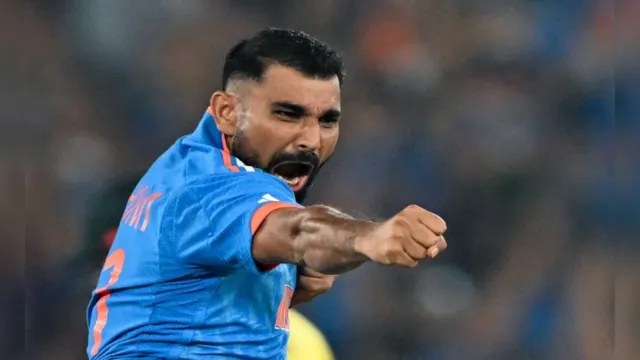
Mohammed Shami’s journey back into contention has been closely monitored, not just for his wickets but for the manner in which he has bowled. Domestic cricket has offered him a platform to rebuild rhythm, confidence, and match fitness after a period of uncertainty. His spells have shown familiar traits: upright seam, relentless accuracy, and the ability to extract movement even on placid surfaces.
While the raw pace may not always hit peak numbers, Shami’s strength lies in his repeatable action and skill at hitting the seam. In domestic matches, he has often bowled long spells without losing shape, an indicator that his body is responding well. The wickets he has taken have largely come through patience rather than brute force, a quality that remains invaluable in ODIs.
The bigger question is timing. With seniors being rested intermittently, this window could be decisive for Shami. If the selectors believe his domestic form translates seamlessly to international intensity, his experience could provide stability to an otherwise evolving pace unit.
Can Siraj and Dube fit into the ODI squad

Mohammed Siraj’s ODI credentials are built on relentless pressure. Unlike bowlers who rely on variations alone, Siraj thrives on consistency, seam movement, and tactical awareness. In recent months, he has matured significantly, showing a better understanding of when to attack and when to defend.
Siraj’s ability to bowl effectively across phases gives him an edge. He can swing the new ball, hit hard lengths in the middle overs, and still hold his nerve at the death. Even when wickets don’t come immediately, his economy often keeps batters in check, allowing others to attack from the opposite end.
Shivam Dube presents a different value proposition. With Hardik Pandya likely to be rested, India may need a seam-bowling all-rounder who can lengthen the batting while offering a few overs. Dube’s strength lies in his bounce and his ability to hit the deck, which can be effective on flatter pitches. While not a like-for-like replacement, his inclusion could give India flexibility in team composition.
Where is Prasidh Krishna in the pace-bowling pecking order
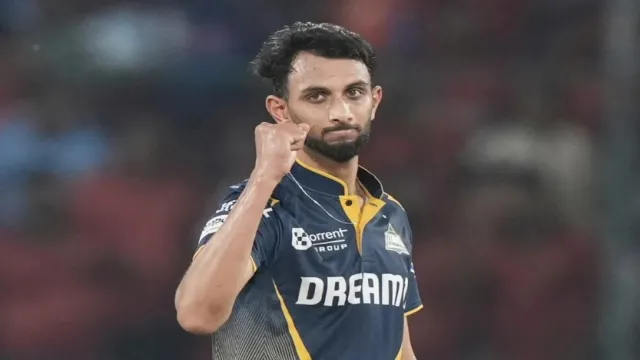
Prasidh Krishna’s career has often sparked debate because of the contrast between his wicket-taking ability and his economy rate. Tall, hit-the-deck fast bowlers naturally extract bounce, and Prasidh has used this attribute to trouble batters across formats. His strike rate remains among the best for Indian pacers, underlining his knack for breakthroughs.
However, modern ODIs demand control as much as aggression. Prasidh’s challenge has been to contain runs when batters line him up. On good batting surfaces, his lack of a consistently deceptive slower ball has occasionally allowed opposition batters to dictate terms, especially in the middle overs.
That said, selectors often value impact. In matches where India needs a wicket-taker to break partnerships, Prasidh becomes an attractive option. His place in the pecking order may ultimately depend on pitch conditions and whether the team prioritises control or penetration.
The importance of balance in the pace unit
One of the defining aspects of successful ODI teams is balance. A pace attack must combine different skill sets: swing, seam, bounce, left-arm variation, and death-over expertise. Relying too heavily on one type of bowler can make an attack predictable, especially against teams like New Zealand that thrive on exploiting patterns.
India’s selectors must consider how each bowler complements the others. A line-up featuring Siraj’s consistency, Shami’s experience, and a left-armer’s angle could offer variety. Adding an all-rounder like Dube might further cushion the batting without overly compromising bowling depth.
Workload management also plays a role. With major tournaments on the horizon, the New Zealand series could serve as both a competitive assignment and an audition platform for those on the fringes.
Domestic form versus international demands
Domestic cricket provides form, but international cricket demands temperament. Bowlers who succeed at the top level often do so because they adapt quickly under pressure. The step up from domestic matches to ODIs involves sharper fields, smarter batters, and relentless scrutiny.
Selectors must judge whether recent domestic performances reflect sustainable skill or temporary momentum. A bowler’s ability to execute plans repeatedly, adjust lengths mid-over, and handle pressure moments often weighs more than raw statistics.
This assessment becomes especially important when experienced players return from layoffs. A balanced view that blends numbers with on-field observation is crucial.
What the New Zealand series could decide
The ODI series against New Zealand may quietly shape India’s bowling roadmap for the coming months. Performances here could cement places or push players down the hierarchy. For veterans, it is a chance to reaffirm relevance; for others, an opportunity to claim long-term roles.
Conditions, opposition style, and match situations will all test the adaptability of India’s pacers. New Zealand’s emphasis on partnerships and strike rotation will demand discipline and patience.
Ultimately, the series could offer clarity. By the end of it, selectors may have stronger answers about who fits where, and which combination best balances control, aggression, and flexibility in India’s ODI bowling attack.
Also Read: Hardik Pandya Smashes Five Sixes In One Over In VHT










Disclaimer
Possible11 is a sports news and analysis platform designed purely for entertainment and educational purposes. All match previews, player insights, and team analyses are based on publicly available information and expert opinions. We do not promote or support betting, gambling, or real-money gaming in any form. Users are encouraged to enjoy our content responsibly and use it for informational purposes only.







Give Your Feedback