
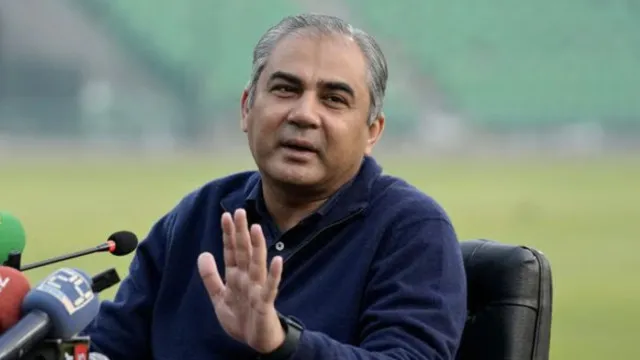
Pakistan’s announcement that it will boycott its T20 World Cup 2026 group-stage match against India on February 15 has once again pushed cricket into a complex space where sports governance intersects with politics and international law. While Pakistan will participate in the tournament, its refusal to play India raises serious questions about the ICC’s authority.
At the heart of the debate lies a simple but critical issue — can the ICC legally force a member nation to take the field, even when the decision is backed by a national government?
Why Pakistan Has Taken This Stand
Asia Cup result trauma is real.
— Aaliya 🥞 (@aaliyaamodi) February 1, 2026
Recovery plan: Skip India match 🤕🏏#INDvsPAK pic.twitter.com/D00zx3vru9
Pakistan’s decision follows controversy surrounding the ICC’s move to remove Bangladesh from the tournament due to unresolved logistical and security concerns. The Pakistan Cricket Board (PCB) openly supported Bangladesh, accusing the ICC of applying inconsistent standards when dealing with different member nations.
The situation escalated after Pakistan’s government issued a clear directive that the team would not play against India, even though all of Pakistan’s matches are scheduled at neutral venues in Sri Lanka.
What ICC Rules Say About Match Participation
The global cricket governing body regulates international cricket through event participation agreements, playing conditions, and a code of conduct. However, these rules are designed to manage competitions — not to override sovereign governments.
Crucially, ICC regulations do not grant the council any power to forcibly compel a team to play a match. The rules only come into effect once a team has refused to participate.
Forfeiture: ICC’s Primary Enforcement Mechanism
Under ICC tournament regulations, if a team refuses to take the field, the match is declared a forfeit. The opposing team is awarded full points, while the refusing team receives none, and the match is recorded as abandoned due to non-participation.
In Pakistan’s case, this would mean India receiving two points without a ball being bowled, a scenario fully permitted under ICC laws.
Can ICC Impose Stronger Punishments on Pakistan?
While the ICC does have disciplinary powers, those powers are limited and proportional. The council may impose financial penalties, withhold match fees, reduce prize money, or issue formal warnings if it believes a member has damaged the tournament.
However, the ICC cannot suspend Pakistan, ban its players, or expel the PCB solely for refusing to play a single match, especially when the decision stems from a government directive.
National Governments Override ICC Authority
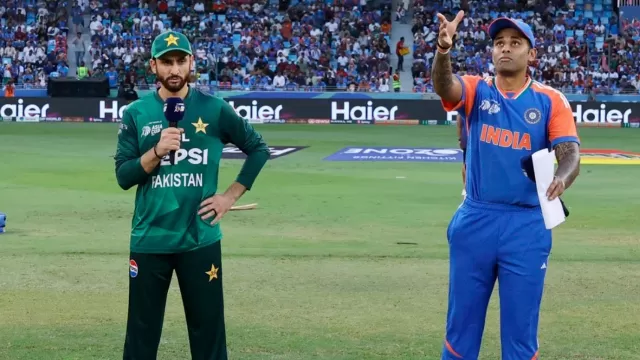
One of the most important legal realities in international cricket is that national cricket boards are bound by the laws and instructions of their governments. ICC regulations explicitly acknowledge this hierarchy, limiting the council’s authority in politically sensitive situations.
As a result, when a government instructs its board not to participate in a particular match, the ICC has no legal mechanism to override that decision.
Past Examples of Teams Refusing to Play
The most prominent example is the India–Pakistan bilateral freeze, which has been in place since 2012. Despite repeated discussions and commercial pressure, the ICC never sanctioned either board for refusing bilateral series, instead allowing matches only in multi-nation events at neutral venues.
Similarly, after the 2009 Lahore attack, several teams refused to tour Pakistan for nearly a decade. The ICC responded by approving neutral venues rather than forcing teams to travel or penalising them heavily.
Other Historical Precedents
During Zimbabwe’s political crisis in the early 2000s, several boards raised concerns about touring the country. Matches were postponed, adjusted, or forfeited, but no team was compelled to play against its will.
In the apartheid era, South Africa faced international sporting isolation. Cricket boards refused to play them, and the ICC accepted the reality rather than attempting enforcement.
What Happens When a Match Is Boycotted?
Historically, when teams refuse to play due to political or security reasons, the ICC follows a consistent pattern. The match is decided administratively, points are allocated according to the rules, and the tournament continues without interruption.
There is no recorded instance in ICC history where a team was forced onto the field after officially refusing to play.
Why ICC Cannot Force Pakistan to Play India
The ICC’s inability to compel Pakistan comes down to three core reasons. First, the ICC is a regulatory sports body, not a legal authority. Second, national governments legally outrank international federations. Third, ICC rules rely on penalties and forfeiture, not coercion.
These principles make Pakistan’s decision legally sustainable under ICC law, even if it is controversial.
Impact on the T20 World Cup 2026
The international T20 tournament co-hosted by India and Sri Lanka faces significant commercial and sporting fallout if the match is forfeited. The India–Pakistan fixture is the tournament’s biggest revenue driver and global viewership magnet.
A forfeited match would affect broadcasters, sponsors, competitive balance in the group, and millions of fans worldwide.
Final Verdict: Can ICC Force Pakistan to Play India?
No. Under current ICC rules, legal frameworks, and historical precedents, the ICC cannot force Pakistan to play India in the T20 World Cup 2026.
Pakistan can legally refuse to play, accept the forfeiture and financial consequences, and still continue participating in the rest of the tournament.
References
- ICC Playing Conditions and Event Participation Agreements
- ICC Code of Conduct for Players and Player Support Personnel
- Historical ICC decisions on match forfeitures and neutral venues
- India–Pakistan bilateral cricket history post-2012
- ICC responses to security-related tour refusals (2009–2019)
Frequently Asked Questions (FAQ)
Can ICC disqualify Pakistan for refusing to play India?▼
Will Pakistan be banned from future ICC tournaments?▼
Has ICC ever forced a team to play a match?▼
What points will Pakistan lose if they boycott?▼
Will Pakistan Play India in T20 World Cup 2026?




Disclaimer
Possible11 is a sports news and analysis platform designed purely for entertainment and educational purposes. All match previews, player insights, and team analyses are based on publicly available information and expert opinions. We do not promote or support betting, gambling, or real-money gaming in any form. Users are encouraged to enjoy our content responsibly and use it for informational purposes only.



Give Your Feedback