

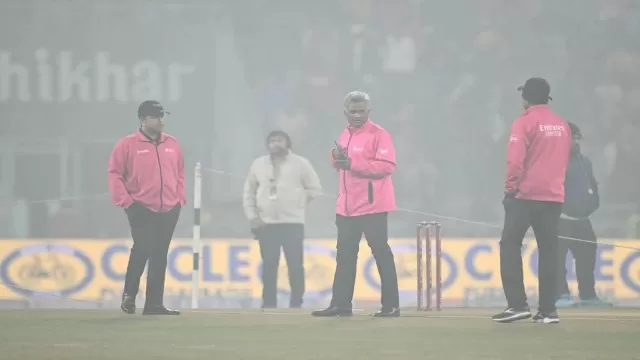
The fourth T20I between India and South Africa turned into a major talking point after it was abandoned without a single ball being bowled due to excessive fog and poor visibility. What was expected to be a crucial encounter in the five-match series instead left thousands of spectators disappointed and frustrated at the stadium.
The abandonment quickly triggered widespread demands for ticket refunds, with fans questioning accountability and planning during the winter season in North India. Social media platforms were flooded with reactions as visuals of thick fog enveloping the ground highlighted the severity of conditions on match night.
Amid the growing backlash, the Board of Control for Cricket in India (BCCI) finally addressed the issue, clarifying who holds responsibility for refunds and defending its scheduling decisions. The statement brought some clarity, even as debates around winter fixtures and fan welfare continue.
BCCI Responds to Refund Demands
Breaking its silence, BCCI Secretary Devajit Saikia stated that the Uttar Pradesh Cricket Association (UPCA) is the competent authority to oversee the refund process for ticket holders affected by the abandoned fourth T20I. According to Saikia, all matters related to ticketing fall under the jurisdiction of the hosting state association.
He explained that the BCCI grants hosting rights to state associations, after which ticket sales, pricing, distribution and refunds are handled locally. As a result, UPCA will take the final call on refund timelines and procedures for fans who purchased tickets for the Lucknow encounter.
This clarification came as some spectators demanded immediate assurances from the BCCI itself, seeking accountability at the national level for the disruption caused by weather conditions.
Why the Match Was Abandoned
The fourth T20I was scheduled to be played at the BRSABV Ekana Cricket Stadium in Lucknow, marking the first time a T20 international was staged at the venue in December. However, persistent fog severely reduced visibility, making it unsafe to proceed with play.
On-field umpires conducted multiple inspections throughout the evening, hoping for an improvement in conditions. Despite waiting for several hours, visibility failed to meet the required standards, forcing officials to call off the match at 9.30 pm.
The abandoned game has now gone down as India’s first major international cricket match to be called off due to excessive fog, giving Lucknow an unwanted record in the process.
Refund Policy Explained
Under existing refund guidelines, spectators are eligible for reimbursement if a match is cancelled or abandoned before the start of play. Typically, refunds are processed after deducting certain administrative or convenience fees.
Saikia reiterated that since no ball was bowled in the fourth T20I, fans qualify for a refund as per policy. However, he stressed that the execution of the process lies entirely with the state association, not the BCCI.
This distinction has sparked fresh discussions about whether a more centralised refund mechanism is needed, especially for high-profile international fixtures involving large crowds.
Impact on the India vs South Africa Series
With the fourth match abandoned, India maintained a 2-1 lead in the five-match T20I series. The washout reduced the contest to a one-match decider, adding pressure and significance to the fifth and final game.
The series finale is scheduled to take place at the Narendra Modi Stadium in Ahmedabad, where weather conditions are expected to be more favourable. Both teams will now look to finish the series on a high note after the anticlimax in Lucknow.
For India, the series holds additional importance as part of preparations for the upcoming Men’s T20 World Cup, making the loss of game time a concern for team management.
Winter Scheduling Under Scrutiny
The abandonment has reignited long-standing criticism of scheduling international matches in North India during winter months. Fog, smog and poor air quality are recurring challenges that often disrupt sporting events during this period.
Questions have been raised about whether better forecasting and venue selection could help avoid such situations. Critics argue that fan experience and player safety should take precedence over rigid scheduling.
The Lucknow incident has added fuel to the debate, particularly as it occurred earlier than the peak fog season typically seen in January.
BCCI Defends Its Planning
Responding to criticism, Saikia described the situation as an exceptional weather event rather than a planning failure. He noted that fog usually intensifies in January, whereas the Lucknow match took place in mid-December.
He cited examples of previous adjustments made by the BCCI, including restructuring domestic schedules and avoiding North Indian venues during peak winter months. According to him, the board has taken steps in recent years to minimise weather-related disruptions.
Saikia also highlighted that cricket is now a year-round sport, making it impossible to completely avoid unpredictable weather conditions across different regions.
Concerns Over Player Health and Visibility
Visuals from the abandoned match showed players struggling with visibility, underscoring the seriousness of the situation. Indian all-rounder Hardik Pandya was even seen wearing a mask on the field, drawing attention to both fog and air quality concerns.
Such images intensified calls for stricter safety protocols when environmental conditions deteriorate. Former players and experts have urged administrators to err on the side of caution rather than risking player well-being.
The incident has also revived discussions about the combined impact of fog and hazardous AQI levels on outdoor sports.
Lessons From Past Scheduling Changes
Saikia referenced earlier instances where the BCCI proactively altered schedules due to environmental concerns. One such example involved swapping Test match venues to avoid severe smog conditions in the national capital after Diwali.
These precedents, he argued, demonstrate that the board remains responsive to emerging risks when sufficient warning is available. However, the Lucknow fog was described as sudden and difficult to predict.
This explanation has been met with mixed reactions, with some fans accepting the reasoning while others demand stricter preventive measures.
Fan Reactions and Expectations
Spectators who travelled from different parts of the state and beyond expressed disappointment at missing out on live action. Many took to social media to share their frustration over travel expenses and logistical challenges.
While clarity on refunds has eased some concerns, fans continue to expect swift and transparent communication from authorities. Delays or confusion could further damage trust among ticket buyers.
The incident has highlighted the need for improved fan engagement during unforeseen disruptions.
What Lies Ahead
As attention shifts to the final T20I in Ahmedabad, the BCCI and UPCA will remain under scrutiny over how efficiently the refund process is handled. The outcome may influence future policies around ticketing and contingency planning.
The fog-induced washout serves as a reminder of cricket’s vulnerability to environmental factors, even in an era of advanced forecasting and infrastructure.
For now, fans hope that lessons from the Lucknow episode will lead to better planning, clearer accountability and a smoother experience in future international matches.
Also Read: IPL 2026 Auction Shocks: Big Names Go Unsold, Full List












Disclaimer
Possible11 is a sports news and analysis platform designed purely for entertainment and educational purposes. All match previews, player insights, and team analyses are based on publicly available information and expert opinions. We do not promote or support betting, gambling, or real-money gaming in any form. Users are encouraged to enjoy our content responsibly and use it for informational purposes only.





Give Your Feedback