


The Ashes series has taken another dramatic turn off the field, with questions now being raised about England’s conduct during a mid-series break in Australia. What was intended as a brief reset following a tough defeat has instead sparked debate about professionalism, preparation and team culture at the highest level of international cricket.
England’s short stay in Noosa, a well-known coastal resort town in Queensland, was initially presented as a chance for players to mentally recharge before returning to the intensity of Test cricket. However, subsequent reports and performances have placed the decision under scrutiny, forcing senior management to respond publicly.
At the centre of the issue is Rob Key, England’s managing director, who has pledged to investigate the claims surrounding the trip and has made it clear that excessive drinking has no place in an international setup.
Rob Key Responds to Noosa Controversy
Rob Key has taken a firm stance amid growing speculation over England’s behaviour during their stay in Noosa. While he initially believed that players had been well behaved, reports describing the trip as resembling a stag do prompted him to promise a closer examination of what actually took place.
Key stressed that drinking heavily is “completely unacceptable” for an international cricket team at any stage of a tour. He underlined that leadership carries responsibility, particularly during high-pressure series such as the Ashes, where preparation and discipline are crucial.
Although he emphasised that his understanding so far suggests the trip remained low-key, Key acknowledged that any deviation beyond moderation would need to be addressed.
The Purpose of the Mid-Series Break
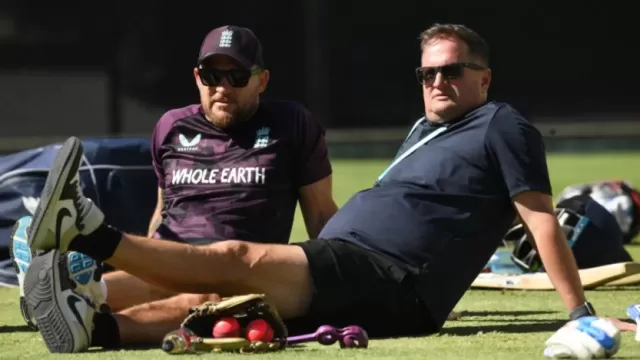
The England team travelled to Noosa following an eight-wicket defeat at the Gabba, framing the four-night stay as a mid-series break rather than a holiday. The intention, according to team management, was to allow players to mentally reset and return refreshed for the third Test.
Head coach Brendon McCullum, who was instrumental in planning the trip, described it as a positive move designed to help players step away briefly from cricket pressures. He believed the environment would encourage relaxation without compromising professionalism.
However, the subsequent loss in Adelaide reignited debate over whether the timing and nature of the break were appropriate in the context of a fiercely contested Ashes series.
Investigating Claims of Excessive Drinking
Key confirmed that he would investigate claims that England players drank excessively during the Noosa stay. He stated that while he has no issue with players enjoying a quiet meal or a single drink, anything beyond that crosses a line.
He made it clear that a culture centred on heavy drinking does not benefit players physically or mentally, particularly during demanding Test tours. In his view, such behaviour undermines performance and damages the team’s image.
The investigation will seek to establish whether reports were exaggerated or whether standards were breached, with the potential for further action if necessary.
Balancing Relaxation and Responsibility
Key defended the concept of the Noosa trip itself, explaining that stepping away from cricket can be healthy if done correctly. He described an ideal break as one where players disconnect from constant scrutiny, spend time on the beach, and mentally reset.
According to him, moderation is key. Quiet meals, early nights and minimal alcohol consumption fall within acceptable limits, whereas late nights and excessive socialising do not.
This balance between relaxation and responsibility remains a recurring challenge for touring teams, especially in high-profile series.
Previous Warnings Highlight Scrutiny
Key also revealed that players had been warned earlier in the year following an incident in New Zealand, where members of the squad were filmed drinking the night before a one-day international.
While no formal disciplinary action was taken, the incident served as a reminder of the scrutiny that accompanies international cricketers, particularly in countries where media attention is intense.
Key described it as a wake-up call, reinforcing the need for players to remain mindful of their actions both on and off the field.
Warm-Up Decisions Under the Spotlight
The Noosa controversy has also revived criticism of England’s broader tour planning. Key confirmed that the team turned down a warm-up match against Australian opposition before the first Test, opting instead for a controlled fixture involving England Lions.
He defended the decision, arguing that preparation choices alone cannot explain England’s struggles in the series. According to Key, performance ultimately depends on players delivering to their potential.
Nonetheless, the cumulative effect of planning decisions, breaks and preparation has come under increased examination as results have failed to meet expectations.
Support Staff and Structural Concerns
Key admitted that England may have gone too far in reducing their support staff, leaving gaps in the current setup. The absence of a dedicated fielding coach on this tour has been cited as one example of resources being stripped back excessively.
While he maintained that bloated support teams are not the answer, Key conceded that certain specialist roles may need to be reinstated to strengthen the overall structure.
This reassessment signals a possible shift towards a more balanced approach between streamlined leadership and specialist support.
Backing Brendon McCullum Amid Pressure
Despite the Ashes struggles, Key strongly backed head coach Brendon McCullum, describing him as an excellent coach with an impressive overall record.
He highlighted that England have lost only a handful of Test series in recent years and stressed that setbacks in marquee contests should not overshadow broader progress.
Key acknowledged, however, that England must evolve and learn from mistakes if they are to succeed on the biggest stages.
Selection Calls and Lessons Learned
Key also hinted that certain selection decisions may have been delayed for too long, suggesting that opportunities for change were missed earlier in the series.
While avoiding direct criticism of individual players, he acknowledged that hindsight prompts reflection on whether bolder calls should have been made sooner.
This willingness to self-critique points towards potential adjustments as England look to rebuild confidence and competitiveness.
Faith in Young Talent
Amid the challenges, Key expressed strong belief in emerging talents within the squad. He singled out young players as having the potential to become world-class performers if given confidence and backing.
He emphasised that pressure situations like the Ashes can accelerate growth, provided players are supported rather than burdened by fear of failure.
For England, nurturing this next generation remains central to long-term success.
What the Noosa Episode Represents
The fallout from the Noosa break is about more than a single trip or a few nights away from cricket. It has become a symbol of wider questions surrounding England’s culture, discipline and preparation.
As scrutiny intensifies, the investigation promised by Rob Key may help clarify what went wrong and whether lessons can be learned.
Ultimately, England’s response to this episode could shape not only the remainder of the Ashes series but also the direction of the team in years to come.
Also Read: Liverpool Confirm Isak Breaks Ankle, Out Indefinitely











Disclaimer
Possible11 is a sports news and analysis platform designed purely for entertainment and educational purposes. All match previews, player insights, and team analyses are based on publicly available information and expert opinions. We do not promote or support betting, gambling, or real-money gaming in any form. Users are encouraged to enjoy our content responsibly and use it for informational purposes only.









Give Your Feedback