
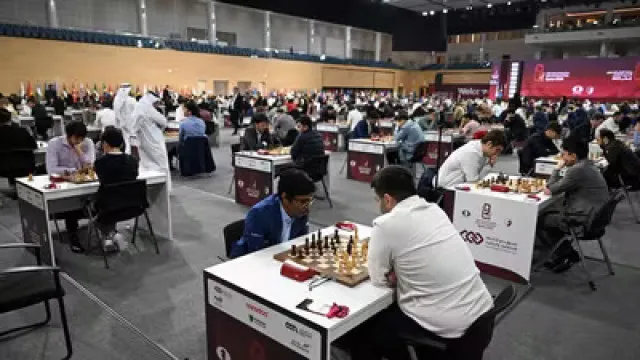
The world of professional chess is entering a transformative phase, one that challenges long-held traditions while responding to the realities of modern competition. For decades, classical chess has been synonymous with marathon sessions, deep calculation, and physical endurance. That image, while still revered, is now being redefined as the sport adapts to changing player lifestyles, audience expectations, and logistical demands.
In a landmark decision, the International Chess Federation has approved a resolution that fundamentally reshapes how time is measured at the highest level. From 2026 onward, shorter time controls will be officially recognised as Standard chess for ratings and title norms, marking a historic shift that bridges the long-standing divide between Rapid and Classical formats.
This move signals not just an administrative update but a philosophical one. By acknowledging that high-quality chess can exist within tighter timeframes, FIDE is reshaping the future of tournaments, careers, and even the skills required to succeed at the top.
The Most Significant Structural Shift in Decades
This change marks one of the most significant structural evolutions professional chess has witnessed in generations. For years, the boundary between Classical and Rapid chess was rigid, defined largely by hours on the clock rather than the quality of play. The newly approved framework challenges that assumption, allowing elite-level competition to flourish without the burden of excessively long schedules.
The chessboard, metaphorically speaking, is shrinking in terms of time. Yet the strategic depth, precision, and intellectual rigor that define the game remain central. By formally recognising shorter formats as Standard, FIDE has effectively acknowledged that modern chess excellence is not solely measured by endurance, but by accuracy, adaptability, and decision-making under controlled pressure.
What Are the New FIDE Time Control Rules?
Historically, Standard chess demanded extraordinary stamina, often stretching beyond four hours per game. Under the revised regulations coming into effect in 2026, tournaments with time controls of 45 minutes plus a 30-second increment or 60 minutes plus a 30-second increment will qualify as Standard-rated events.
This does not open the floodgates indiscriminately. Only major or traditional tournaments approved by the FIDE Qualification Commission will be eligible, ensuring that the prestige and integrity of classical ratings are preserved. To further prevent exploitation, organisers are limited to a maximum of two rounds per day, maintaining competitive balance and player welfare.
Why Did FIDE Introduce This Change Now?
The decision follows a carefully monitored pilot phase conducted in late 2025, during which select events demonstrated that shorter time controls could deliver high-quality games without compromising competitive standards. These trials showed that players were able to maintain depth of calculation while benefiting from reduced physical strain.
FIDE leadership has emphasised that this move aligns chess with the pace of modern sport. With global audiences consuming content faster and sponsors seeking concise, broadcast-friendly formats, the federation recognised the need to evolve while safeguarding the essence of the game.
Shorter Events, Bigger Opportunities
One of the most immediate benefits of the new system is efficiency. Tournaments that previously spanned ten days can now be completed in five or six, dramatically reducing costs for organisers and players alike. Accommodation, venue rentals, and logistical overheads have long been barriers to entry, especially for emerging professionals.
This condensed structure opens doors for students, working professionals, and semi-professional players who previously could not commit to extended events. At the same time, sponsors and broadcasters gain a more attractive product, with shorter rounds that fit modern viewing habits and digital platforms.
Will Legendary Marathon Games Disappear?
To understand the magnitude of this change, one only needs to recall historic marathon encounters that tested human limits. Iconic games that stretched close to eight hours have become symbols of classical endurance, celebrated for their drama and depth.
Under the new minimum Standard time controls, games of similar length would conclude in nearly half the time. While flagship events like the World Championship are expected to retain traditional formats, many elite tournaments may now opt for the shorter structure, subtly shifting the skills required to dominate at the highest level.
What Does This Mean for Grandmaster Norms?
The integrity of chess titles remains a central concern, and safeguards have been put firmly in place. While norms can now be earned in these faster Standard events, only one such norm may count toward a title. Players must still demonstrate excellence in longer formats to complete their requirements.
Additionally, every tournament seeking Standard status under the new rules must undergo a vetting process. Factors such as field strength, historical credibility, and organisational standards will be closely examined, ensuring that titles retain their prestige and significance.
Impact on Players and Organisers
The implications of this shift extend beyond the board. Financial sustainability has become a pressing issue in professional chess, with many players struggling to balance expenses against prize earnings. Shorter tournaments significantly reduce costs, making careers more viable outside the very top tier.
From a physical standpoint, two controlled rounds of 45-minute games can be less exhausting than a single seven-hour battle. This change promotes longevity, reduces burnout, and allows players to perform consistently throughout the season.
Is This the Rapidification of Classical Chess?
The chess community remains divided. Critics worry that reduced time may compromise endgame precision and strategic depth, pushing players into frequent time trouble. They argue that true classical chess requires prolonged contemplation to uncover the deepest truths of a position.
Supporters counter that the incremental structure preserves quality far beyond Rapid formats. By legitimising what many now call Fast Classical, FIDE is recognising how chess is played, studied, and consumed in the digital era, without abandoning its intellectual core.
What Comes Next for Professional Chess?
The coming seasons will serve as a proving ground. The FIDE Qualification Commission will closely monitor outcomes, participation levels, and competitive standards throughout 2026. Adjustments may follow, either tightening criteria or expanding opportunities based on real-world results.
What is certain is that chess has entered a new chapter. The 45-minute revolution represents not the end of classical chess, but its evolution, blending tradition with modernity and ensuring the game remains vibrant, accessible, and globally relevant for years to come.
Also Read: BCB Breaks Silence Amid World Cup Security Concerns











Disclaimer
Possible11 is a sports news and analysis platform designed purely for entertainment and educational purposes. All match previews, player insights, and team analyses are based on publicly available information and expert opinions. We do not promote or support betting, gambling, or real-money gaming in any form. Users are encouraged to enjoy our content responsibly and use it for informational purposes only.








Give Your Feedback