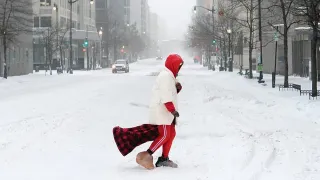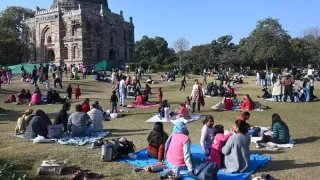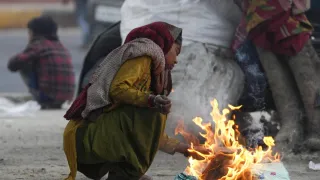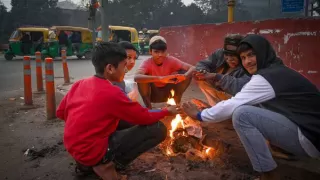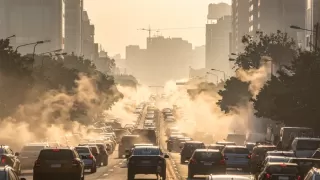
Winter has tightened its grip across large parts of India, bringing with it biting cold, dense fog, and widespread disruption to daily life. From the plains of north India to the higher reaches of the Himalayas, plunging temperatures and reduced visibility have created challenging conditions for commuters, students, and authorities alike.
The India Meteorological Department has issued multiple alerts across states, warning of severe cold wave conditions, dense fog, and the possibility of snowfall in hilly regions. As temperatures dipped sharply, precautionary measures such as school closures and revised timings were enforced to protect children from the harsh weather.
With forecasts pointing to prolonged cold spells and foggy mornings in the coming days, the winter season has firmly announced itself, raising concerns over health, travel, and public safety.
Dense Fog Triggers Weather Alerts Across North India
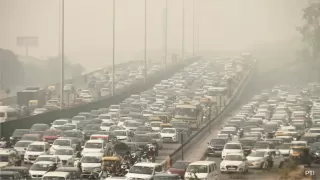
Dense fog blanketed several regions, significantly reducing visibility and disrupting road, rail, and air travel. The weather department sounded yellow alerts for fog in the national capital, while red and orange alerts were issued in parts of Uttar Pradesh for cold wave conditions.
Early morning hours saw highways shrouded in thick mist, forcing motorists to slow down and authorities to issue advisories. Train schedules were also impacted in several northern states as fog delayed arrivals and departures.
Meteorologists cautioned that such foggy conditions are likely to persist over the next few days, especially during late night and early morning hours.
Delhi Records Coldest December Day of the Season
Delhi experienced its coldest December day of the ongoing winter season, with the maximum temperature dropping well below the seasonal average. The chilly conditions marked a sharp contrast from the relatively milder days earlier this month.
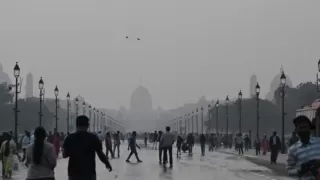
The capital’s residents woke up to cold winds and a hazy skyline as the mercury struggled to rise through the day. Public spaces appeared quieter, with people opting to stay indoors to escape the cold.
Weather officials also issued a yellow alert for dense fog in Delhi, predicting partly cloudy skies and foggy conditions through the forenoon.
Comparison With Previous December Temperatures
The dip in temperatures brought back memories of colder Decembers in recent years. While this season’s readings are yet to breach historic lows, the deviation from normal values has been significant enough to prompt caution.
Earlier in the month, Delhi had already recorded one of its lowest maximum temperatures of the season, signalling the onset of harsher winter conditions.
Experts note that fluctuating western disturbances and calm wind conditions have contributed to the sharp fall in daytime temperatures.
Schools Closed in Uttar Pradesh Amid Severe Cold
In Uttar Pradesh, the impact of the cold wave was immediate and widespread. The weather department issued a combination of red and orange alerts across several districts, warning of severe cold conditions.
Responding to the situation, the Bareilly district administration ordered the closure of schools up to class 8 for several days. The move was aimed at safeguarding young students from exposure to extreme cold during morning hours.
Parents welcomed the decision, while authorities urged residents to limit outdoor activities and take necessary precautions.
Revised School Timings in Patna
Bihar’s capital Patna also felt the chill, prompting officials to revise school timings. Schools were instructed to operate only during late morning and afternoon hours to avoid early-day cold exposure.
Classes involving board and pre-board examinations were exempted from the order, ensuring that academic schedules for senior students remained uninterrupted.
The decision reflected a balancing act between student safety and academic continuity amid worsening weather conditions.
Snowfall and Rain Likely in Hilly Regions
In the higher altitudes, winter conditions are expected to intensify further. Weather forecasts indicate light rainfall or snowfall over Jammu and Kashmir, Himachal Pradesh, and Uttarakhand over the coming days.
Such conditions could enhance cold wave intensity in adjoining plains while also affecting road connectivity in mountainous regions.
Tourists and residents have been advised to stay updated on weather advisories and plan travel accordingly.
Fog and Cold to Persist in Punjab, Haryana and UP
Parts of Punjab, Haryana, and Uttar Pradesh are likely to witness persistent dense fog along with severe cold days. The combination of low temperatures and moisture in the air has created ideal conditions for prolonged fog formation.
Authorities in these states have issued advisories urging caution while driving and recommending the use of fog lights and reduced speeds.
Health experts also warn of increased risks of respiratory ailments during such prolonged cold and foggy spells.
IMD Outlook for the Winter Season
The meteorological department has indicated that central India, along with parts of northwest and northeast India, may experience above-normal cold wave days this winter.
This outlook suggests that colder-than-usual conditions could recur intermittently, keeping temperatures suppressed over extended periods.
Such patterns underline the importance of preparedness, especially for vulnerable populations.
Relief in Kashmir as Night Temperatures Rise
Amid widespread cold elsewhere, Kashmir witnessed some relief as night temperatures rose above the freezing point. Several parts of the valley recorded minimum temperatures slightly higher than previous days.
Srinagar, in particular, saw nighttime temperatures hovering just above zero degrees Celsius, offering brief respite to residents.
Despite this, people remain braced for the onset of ‘Chillai-Kalan’, the harshest 40-day winter period marked by intense cold and frequent snowfall.
Preparing for the Days Ahead
As winter conditions deepen across India, authorities continue to monitor weather patterns closely. From issuing alerts to adjusting school schedules, state administrations are taking precautionary steps to minimise disruptions.
Residents are advised to stay warm, limit unnecessary travel during foggy hours, and follow official advisories.
With dense fog, cold waves, and snowfall all in play, the coming days are set to test both infrastructure and resilience as winter firmly takes control.
Also Read: Bangladesh Protests Erupt After Uprising Leader Hadi’s Death