Magnesium is one of those nutrients that quietly keeps the human body running smoothly, yet rarely gets the attention it deserves. It doesn’t trend on social media like collagen or protein powders, and it doesn’t come with flashy marketing. Still, without adequate magnesium, the body struggles to function at its best.
From powering your muscles and nerves to supporting mental clarity and heart rhythm, magnesium is involved in more than 300 biochemical reactions. It plays a foundational role in energy production, blood sugar control, bone strength, and even emotional balance. Despite this, magnesium deficiency has become increasingly common due to modern dietary habits, stress, processed foods, and soil depletion.
The good news is simple and reassuring: magnesium deficiency is largely preventable. Nature provides an abundance of magnesium-rich foods that can be easily incorporated into everyday meals. You don’t need supplements in most cases, just smarter food choices.
This in-depth guide explains why magnesium is crucial for long-term health and explores ten magnesium-rich foods in a professional, reader-friendly format. Each food is explained with its nutritional benefits, how it supports the body, and why it deserves a permanent place on your plate.
Why Magnesium Matters More Than You Think?
Magnesium is a mineral that the body cannot produce on its own. Every milligram must come from food or supplementation. Once consumed, magnesium becomes deeply involved in processes that affect nearly every system in the body.
It helps convert food into energy, regulates muscle contraction and relaxation, keeps nerves firing properly, supports protein synthesis, and maintains normal blood pressure. Magnesium also works closely with calcium and vitamin D to preserve bone density and prevent long-term skeletal issues.
A deficiency, even a mild one, can show up in subtle ways, such as persistent fatigue, muscle cramps, headaches, irritability, poor sleep, anxiety, irregular heartbeat, or low stress tolerance. Over time, chronic magnesium deficiency has been linked to conditions such as type 2 diabetes, cardiovascular disease, osteoporosis, and mood disorders.
In today’s fast-paced lifestyle, where stress levels are high and diets rely heavily on refined foods, magnesium loss is common. Stress itself depletes magnesium stores, creating a vicious cycle that impacts both physical and mental well-being.
This is why focusing on magnesium-rich foods is not just a nutritional choice, it’s a long-term investment in health, balance, and resilience.
10. Spinach

Spinach stands out as one of the most powerful plant-based sources of magnesium. A single cup of cooked spinach delivers approximately 150 milligrams of magnesium, making it one of the highest natural sources available.
Beyond magnesium, spinach offers iron, folate, vitamin K, vitamin C, and a range of antioxidants that protect cells from oxidative stress. Its magnesium content supports muscle relaxation, nerve signalling, and energy metabolism, making it particularly beneficial for individuals who experience frequent muscle cramps or fatigue.
Spinach also plays a vital role in cardiovascular health. Magnesium helps regulate blood pressure and maintain healthy blood vessels, while spinach’s natural nitrates improve circulation. Together, they create a protective effect against heart disease.
From a practical standpoint, spinach is easy to integrate into daily meals. It can be lightly sautéed, blended into smoothies, added to lentils, or used as a base for salads. Cooking spinach slightly reduces oxalates, improving mineral absorption without compromising nutritional value.
9. Almonds
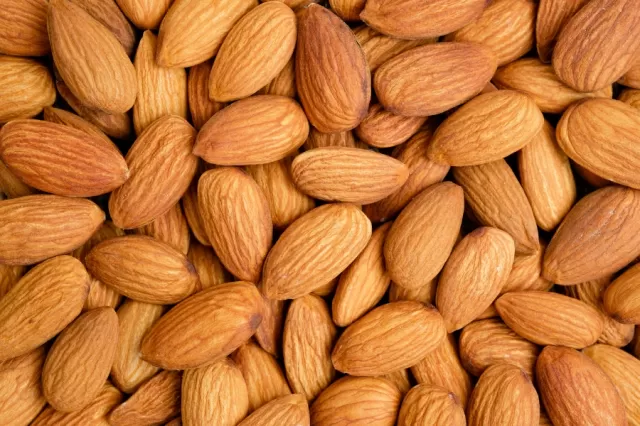
Almonds are one of the most convenient and nutrient-dense magnesium sources. A small handful of almonds, around 28 grams, provides roughly 80 milligrams of magnesium, along with healthy fats, protein, and vitamin E.
Magnesium from almonds supports brain function, improves nerve transmission, and contributes to steady energy levels. The healthy fats in almonds slow digestion, allowing magnesium to be absorbed more efficiently and helping stabilise blood sugar levels.
Almonds are particularly beneficial for people with high stress or irregular sleep patterns. Magnesium plays a role in calming the nervous system and supporting melatonin production, which improves sleep quality.
As a snack, almonds require no preparation. They can also be added to breakfast bowls, blended into nut butter, or used as a crunchy topping for vegetables and grains. Regular consumption supports heart health, metabolic balance, and sustained energy.
8. Pumpkin Seeds
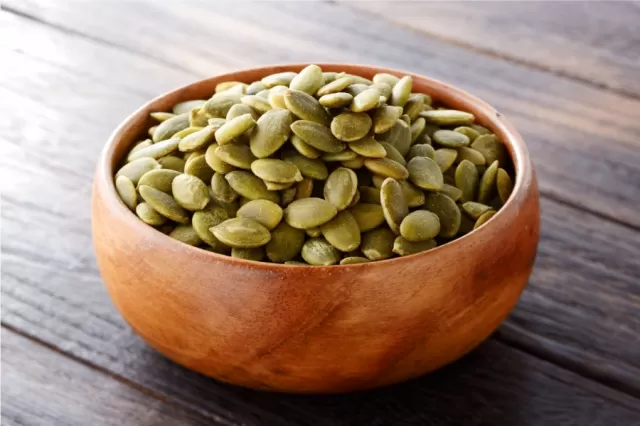
Pumpkin seeds are often underestimated, yet they are among the most magnesium-dense foods available. A 28-gram serving provides approximately 150 milligrams of magnesium, making it a nutritional powerhouse.
Magnesium in pumpkin seeds supports muscle recovery, reduces inflammation, and helps maintain a steady heart rhythm. These seeds are also rich in zinc, iron, and antioxidants, contributing to immune strength and hormonal balance.
For men, pumpkin seeds are especially beneficial due to their role in prostate health. For women, magnesium from pumpkin seeds can help ease PMS symptoms and support bone health.
Pumpkin seeds are versatile and easy to incorporate. They can be eaten raw, roasted, or sprinkled over salads, soups, yoghurt, or oatmeal. Their crunchy texture and nutty flavour make them an effortless upgrade to everyday meals.
7. Avocados

Avocados offer a unique combination of magnesium and monounsaturated fats. One medium avocado contains approximately 58 milligrams of magnesium, along with potassium, fiber, and anti-inflammatory compounds.
Magnesium in avocados supports metabolic health by improving insulin sensitivity and reducing inflammation. The healthy fats enhance nutrient absorption, allowing magnesium and other vitamins to be used more effectively by the body.
Avocados also support digestive health. Their fibre content promotes gut balance, which is essential for proper mineral absorption. A healthy gut environment ensures that magnesium is efficiently transported into the bloodstream.
From breakfast to dinner, avocados fit seamlessly into meals. They can be mashed, sliced, blended, or paired with grains and proteins, making them one of the most adaptable magnesium-rich foods.
6. Dark Chocolate

High-quality dark chocolate is proof that nutrition doesn’t have to be boring. One ounce of dark chocolate provides approximately 64 milligrams of magnesium, along with powerful antioxidants known as flavonoids.
Magnesium in dark chocolate supports mood regulation by influencing neurotransmitters linked to relaxation and pleasure. This explains why dark chocolate is often associated with stress relief and emotional comfort.
It also benefits cardiovascular health by improving blood flow and reducing inflammation. When consumed in moderation, dark chocolate can support both mental and physical well-being.
The key is quality. Dark chocolate with at least 70 per cent cocoa content offers the highest magnesium benefits with minimal added sugar.
5. Black Beans

Black beans are an excellent source of magnesium, providing about 120 milligrams per cooked cup. They are also rich in protein, fibre, and complex carbohydrates, making them ideal for sustained energy and digestive health.
Magnesium in black beans supports muscle function and nerve signalling, while the fibre helps regulate blood sugar levels. This combination makes black beans particularly beneficial for people managing diabetes or metabolic issues.
Their slow-digesting nature helps prevent energy crashes and supports gut health. A healthy digestive system plays a critical role in absorbing magnesium efficiently.
Black beans can be included in curries, salads, soups, or rice-based dishes, making them a staple in many traditional diets around the world.
4. Tofu

Tofu is a reliable source of magnesium, offering around 35 to 40 milligrams per half cup. It also provides high-quality plant protein and essential amino acids.
Magnesium in tofu supports muscle repair, nerve communication, and hormonal balance. For vegetarians and vegans, tofu plays a crucial role in meeting daily magnesium needs without relying on supplements.
Tofu absorbs flavours easily, making it adaptable to various cuisines. When paired with vegetables and whole grains, it contributes to a balanced and magnesium-rich meal.
3. Whole Grains
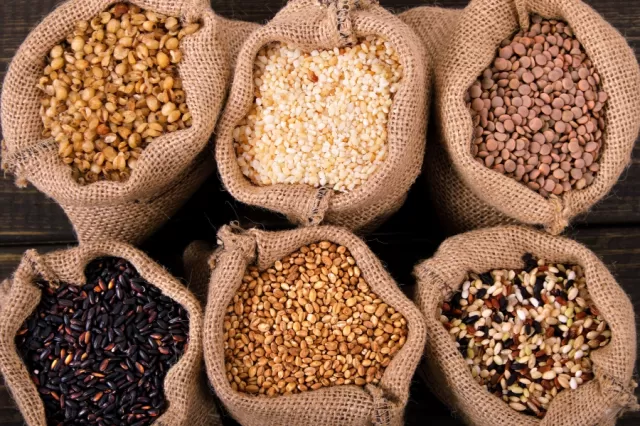
Whole grains such as quinoa, oats, brown rice, and whole wheat are consistent sources of magnesium. Depending on the grain, a cooked cup provides between 60 and 120 milligrams of magnesium.
Magnesium in whole grains supports digestion, energy metabolism, and nervous system function. These foods also provide B vitamins and fiber, which enhance magnesium absorption and utilisation.
Unlike refined grains, whole grains retain their mineral-rich outer layers. Regular consumption helps maintain steady magnesium levels throughout the day.
Whole grains form the foundation of many traditional diets and can be easily included in breakfast, lunch, or dinner.
2. Bananas

Bananas are often associated with potassium, but they also contain magnesium, about 32 milligrams per medium fruit. While not the highest source, bananas provide magnesium in a highly digestible form.
This makes them ideal for post-workout recovery, as magnesium helps relax muscles and prevent cramps. Bananas also support nerve function and energy production.
Their natural sugars provide quick energy, while magnesium helps convert that energy efficiently at the cellular level.
1. Cashews

Cashews deserve recognition as one of the most underrated magnesium-rich foods. A 28-gram serving provides approximately 74 milligrams of magnesium, along with copper, zinc, and healthy fats.
Magnesium in cashews supports bone density, muscle function, and cognitive health. Their creamy texture and mild flavour make them easy to include in both sweet and savoury dishes.
Cashews also support heart health by improving cholesterol balance and reducing inflammation. When consumed in moderation, they contribute significantly to daily magnesium intake.
The Long-Term Benefits of Magnesium-Rich Eating
Consistently consuming magnesium-rich foods creates long-term benefits that go far beyond preventing deficiency. Improved sleep quality, reduced stress, balanced blood sugar, stronger bones, healthier muscles, and a calmer nervous system are just some of the rewards.
Magnesium works best when obtained naturally from food, where it comes packaged with fibre, antioxidants, and complementary nutrients. This synergy enhances absorption and ensures sustained benefits.
Also Read: What Are the 5 Hidden Dangers in Skincare Products?