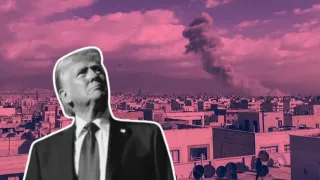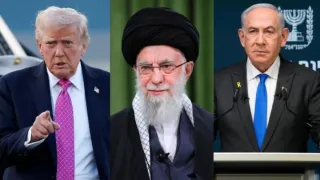
The conflict between the United States, Israel, and Iran entered its third day with dramatic escalation across the Gulf and wider Middle East. A day after the killing of Iran’s Supreme Leader Ayatollah Ali Khamenei was confirmed, retaliatory strikes intensified, sending shockwaves through regional capitals and strategic military installations.
Explosions were reported in multiple cities, including Doha, Abu Dhabi, and areas near diplomatic and energy infrastructure. Iran continued targeting US assets and allied facilities across the Gulf, while Washington and Tel Aviv signalled that operations were far from over. The rapidly expanding theatre of confrontation now stretches from Tehran to Cyprus, raising fears of a prolonged regional war.
As missile interceptions light up Gulf skies and airspaces shut down across several countries, global markets and governments remain on edge. Here is a comprehensive look at what has unfolded so far on day three of the US Israeli attacks on Iran and the widening retaliation.
Strikes Continue Inside Iran
Inside Iran, reports indicate multiple casualties following strikes in major urban areas. Iranian media outlets confirmed fatalities in Tehran, including in Niloofar Square, while additional attacks were reported in other cities. The scale of the US-Israeli operation has been described as extensive, with claims that senior Iranian leadership figures were among those targeted.
US officials have defended the strikes as strategic and necessary, stating that the objectives included degrading command structures and military capabilities. Meanwhile, Tehran has vowed continued retaliation, describing the attacks as an act of aggression that will not go unanswered.
As diplomatic channels remain strained, the possibility of renewed negotiations appears distant. The military exchanges have overtaken earlier diplomatic efforts aimed at addressing Iran’s nuclear programme.
Explosions Rock Gulf Capitals
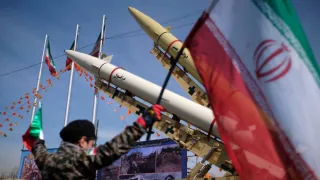
On Monday morning, explosions were heard in Doha and Abu Dhabi as Iranian missiles and drones targeted US military assets and allied infrastructure. Qatar’s defence systems initially relied on Patriot interceptors, later deploying fighter aircraft to neutralize aerial threats over Gulf waters.
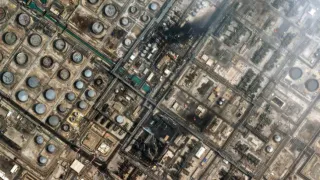
Qatar confirmed that missiles struck two energy-related sites, though no casualties were reported. The attacks underscored the vulnerability of critical infrastructure in the region and raised alarms about energy supply disruptions.
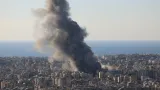
In Kuwait, air defence systems intercepted hostile aerial targets at dawn. Witnesses reported smoke near the US Embassy area, while debris fell near industrial zones, causing minor injuries. Verified visuals showed thick plumes rising in parts of the country following reported aerial incidents.
Maritime and Energy Infrastructure Targeted
The maritime dimension of the conflict has intensified. Oman’s Maritime Security Centre reported an attack on an oil tanker off its coast, allegedly involving an explosive-laden vessel. The incident triggered a fire and engine-room explosion, resulting in at least one fatality.
In Bahrain, authorities reported damage near maritime facilities and confirmed that debris from intercepted missiles caused fires in industrial areas. Air raid alerts were activated, and residents were urged to seek shelter as precautionary measures.
The targeting of shipping lanes and refineries signals a dangerous expansion of the conflict into economic lifelines of the region. Any sustained disruption in oil transport routes could have global repercussions.
Israel and Lebanon Front Heats Up
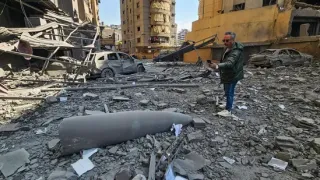
Israel reported additional missile launches from Iran, with air defence systems actively intercepting incoming threats. Simultaneously, Israeli air raids struck southern suburbs of Beirut and other parts of Lebanon following reported attacks by Hezbollah.
Casualty figures from Lebanon indicate significant loss of life and injuries in affected areas. The cross-border exchanges suggest that regional armed groups may become more deeply involved, potentially broadening the conflict beyond bilateral confrontation.
The activation of sirens in multiple Israeli cities reflects the intensity of the ongoing exchanges and the high-alert status maintained by defence forces.
Airspace Closures and Aviation Disruptions
Airspace restrictions have been imposed across several countries as security concerns mount. Qatar Airways suspended flights due to airspace closures, while Jordan announced nightly airspace shutdowns until further notice.
Reports of debris falling in parts of Syria and Jordan, along with unconfirmed aircraft incidents, have heightened aviation safety concerns. Cyprus also reported a drone strike on a UK-operated air base, causing limited damage.
The widening air conflict zone has complicated civilian travel and increased logistical challenges for both military and commercial operations.
US Casualties and Political Messaging
The United States confirmed the deaths of three service members during operations against Iran, marking the first American casualties in the conflict. Senior US officials have vowed retaliation and warned that combat operations will continue until strategic objectives are achieved.
Public statements emphasize resolve and deterrence, while cautioning that further escalation could follow if attacks on US personnel persist. The messaging signals a sustained campaign rather than a short-term operation.
Regional and Global Reactions
Global responses remain mixed, with some countries condemning escalation and others emphasizing self-defence narratives. Australia clarified it would not join the military campaign, while European leaders called for stability and restraint.
Gulf states have balanced defensive responses with diplomatic caution, seeking to protect infrastructure and avoid deeper entanglement. The Organization of Islamic Cooperation saw varied reactions, with some member states issuing strong statements while others remained measured.
The geopolitical stakes continue to rise, with energy markets, shipping routes, and security alliances all potentially affected by prolonged instability.
What Day Three Means for the Conflict
By the third day of hostilities, the confrontation has expanded geographically and strategically. Retaliatory strikes now encompass Gulf capitals, maritime zones, and neighbouring states, indicating a multi-front scenario.
Military analysts warn that further escalation could draw additional actors into the conflict. The targeting of energy facilities and military installations raises concerns about sustained disruption and retaliatory cycles.
Diplomatic solutions appear elusive for now, as both sides signal determination to pursue their objectives. Whether the conflict stabilizes or escalates further may depend on behind-the-scenes negotiations and the willingness of regional powers to mediate.
Uncertain Road Ahead
As smoke rises across multiple cities and defence systems remain on high alert, the Middle East stands at a critical juncture. Day three of the US Israeli attacks on Iran demonstrates the rapid pace at which localized strikes can transform into region-wide confrontation.
The coming days will likely determine whether the conflict de-escalates through diplomatic channels or intensifies into a broader regional war. For now, the world watches closely as events continue to unfold across Iran, the Gulf, Israel, and beyond.
Also Read: Why India Has Not Condemned Khamenei’s Death Explained