It’s 2:17 am. You are staring at the ceiling, counting the hours left before the alarm rings. Five. Maybe four. Your phone lights up with a notification you promised yourself you wouldn’t check. Tomorrow’s meeting, unread emails, the smartwatch sleep score from last night, everything piles up at once. You shut your eyes harder, willing sleep to arrive. It doesn’t.
If this scene feels painfully familiar, you are not alone.
Across cities, age groups, and professions, millions of people are lying awake every night, not because they don’t want to sleep, but because they are too anxious about it. Ironically, the more we chase 'perfect sleep,' the further it seems to slip away. Health experts are increasingly calling this phenomenon sleep anxiety, a growing yet often misunderstood condition shaped by modern lifestyles, digital habits, and relentless pressure to perform.
When 'Just Sleep More' Stops Being Helpful?
'Get proper sleep' has become the go-to advice for everything from burnout to mood swings. Friends say it casually. Doctors mention it in passing. Social media reinforces it with charts, hacks, and productivity reels.
But for many young adults and working professionals, sleep is no longer a simple switch that can be turned off at will.
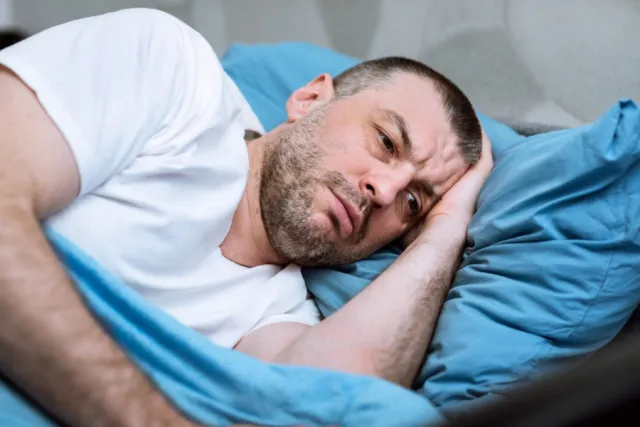
Sleep anxiety refers to a state where the fear of not sleeping becomes so dominant that it actively prevents sleep. The bed stops feeling like a place of rest. Instead, it becomes a battleground of racing thoughts, self-judgment, and constant clock-watching.
Psychologists note that people with sleep anxiety don’t just struggle to fall asleep. They worry obsessively about:
- Whether they will fall asleep at all
- How many hours they are getting
- How tomorrow will be ruined if they don’t sleep enough
- What long-term damage poor sleep might cause
This fear-driven loop keeps the brain in a heightened state of alertness, exactly the opposite of what sleep requires.
Sleep Deprivation Is No Longer Geographical
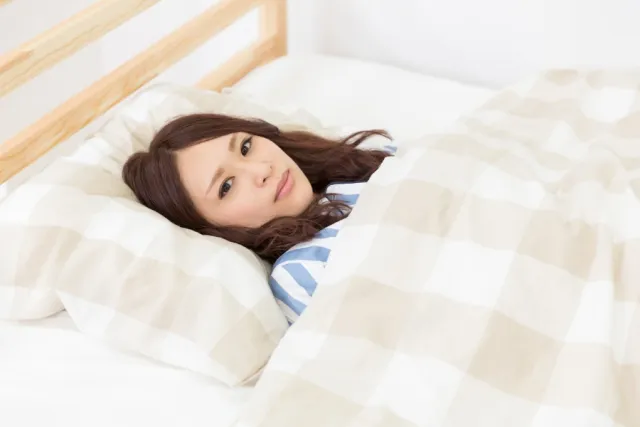
Lack of sleep was once associated with specific jobs, night shifts, or high-stress professions. Today, it has become a global lifestyle issue.
Recent surveys paint a concerning picture:
In the United States, more than one in three adults report not getting sufficient sleep, while a staggering majority of teenagers fall short of recommended sleep hours.
In India, over half the surveyed population reports sleeping less than six uninterrupted hours per night.
While these numbers highlight widespread sleep deprivation, they also hint at something deeper. Poor sleep is no longer limited to physical exhaustion. It is increasingly tied to mental overstimulation, anxiety, and an inability to disconnect mentally.
The problem is not where we live. It is how we live.
The Always-On Lifestyle and Racing Minds
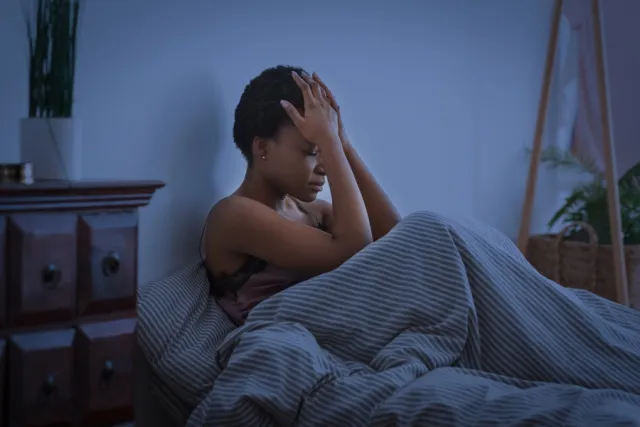
Mental health professionals point to a common pattern among adults experiencing sleep anxiety. Most are not idle or disengaged. In fact, they are often highly driven individuals juggling demanding personal and professional lives.
Psychologists observe that many adults develop anxiety around sleep because bedtime becomes the only quiet moment of the day. When external distractions fade, unresolved thoughts rush in. The mind starts replaying conversations, planning unfinished tasks, and imagining worst-case scenarios.
Modern work culture plays a significant role here. Notifications do not stop at office hours. Emails arrive late at night. Messages demand instant responses. The brain never truly powers down.
From a physiological standpoint, constant stimulation keeps the sympathetic nervous system activated. This leads to:
- Elevated heart rate
- Muscle tension
- Increased cortisol, the stress hormone
In such a state, the body is biologically unprepared for sleep, no matter how tired it feels.
When Exhaustion Becomes a Badge of Honour
One of the most overlooked contributors to sleep anxiety is social conditioning.
We live in a culture that quietly glorifies exhaustion. Long work hours are often praised as a sign of dedication. Late-night hustling is romanticised. Saying I barely slept is often met with admiration rather than concern.
This mindset creates a dangerous contradiction. On one hand, we are told sleep is essential for health. On the other hand, we are rewarded for sacrificing it.
Irregular work hours, excessive caffeine, alcohol use, constant screen exposure, and lack of natural sunlight all disrupt the body’s circadian rhythm. Over time, this desynchronization makes falling asleep harder, staying asleep more difficult, and waking up refreshed nearly impossible.
As anxiety builds during the day, it spills into the night. Poor sleep then worsens daytime anxiety, forming a self-perpetuating cycle.
Understanding the Vicious Cycle of Sleep Anxiety
Sleep anxiety feeds on itself.
Experts explain the cycle in simple terms:
- A person experiences a few bad nights of sleep.
- They start worrying about sleep and its consequences.
- This worry activates stress responses.
- Stress makes it harder to sleep.
- Another bad night reinforces the fear.
Over time, bedtime becomes associated with frustration, anger, and dread rather than rest. People may dread evenings, knowing they will once again fail at sleeping.
As adults age, responsibilities grow, and sleep becomes linked to productivity rather than recovery. The bedroom turns into a mental checklist rather than a sanctuary.
Are Sleep Trackers Making Things Worse?
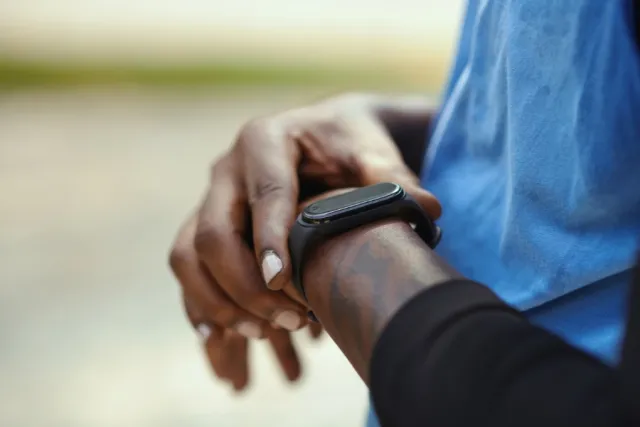
Technology was meant to help us sleep better. In many cases, it is doing the opposite.
Smartwatches and sleep apps track movement, heart rate, REM cycles, and sleep scores. While this data can be useful, experts warn against over-reliance.
For people prone to anxiety, a low sleep score can trigger:
- Frustration
- Self-blame
- Panic about health consequences
- Obsessive attempts to 'fix' sleep
This phenomenon, sometimes referred to as orthosomnia, involves an unhealthy obsession with achieving perfect sleep metrics. Ironically, worrying about sleep quality often degrades it further.
Post-pandemic life has amplified this issue. Heightened stress, blurred work-life boundaries, financial uncertainty, and caregiving pressures have made it harder for many people to mentally switch off at night.
The Real Cost of Ignoring Sleep Anxiety
Sleep is not a luxury. It is a biological necessity.
Chronic sleep anxiety and deprivation can lead to:
- Compromised immune function
- Hormonal imbalance
- Impaired memory and concentration
- Increased risk of anxiety and depression
- Reduced productivity and quality of life
Experts emphasise that sleep is a critical marker of both physical and mental health. When sleep suffers, nearly every system in the body feels the impact.
Ignoring sleep anxiety does not make it disappear. Addressing it early can prevent long-term consequences.
The Good News: Sleep Anxiety Is Reversible
Unlike many chronic conditions, sleep anxiety is highly treatable.
Mental health professionals stress that recovery does not require drastic measures. In most cases, small, consistent lifestyle changes can make a significant difference.
The goal is not to force sleep, but to reduce the fear around it.
Key strategies include:
Rebuilding a Healthy Relationship With Sleep
Understanding that occasional bad nights are normal is crucial. One poor night does not ruin health or productivity. Removing pressure is often the first step toward improvement.
Creating a Wind-Down Routine
A predictable pre-sleep routine signals the brain that it is time to relax. This could include reading, gentle stretching, journaling, or listening to calming music.
Limiting Screen Exposure
Avoiding electronic devices in the evening reduces mental stimulation and blue light exposure, both of which interfere with melatonin production.
Maintaining Regular Sleep Timings
Going to bed and waking up at consistent times helps reset the body’s internal clock, even on weekends.
Optimizing the Sleep Environment
A cool, quiet, dimly lit, and well-ventilated bedroom promotes relaxation. Small changes, like dim lighting or white noise, can have a big impact.
Practicing Relaxation Techniques
Techniques such as diaphragmatic breathing, progressive muscle relaxation, and guided meditation help activate the parasympathetic nervous system, preparing the body for rest.
When to Seek Professional Help?
While lifestyle changes are effective for many, persistent sleep anxiety may require professional intervention.
Psychologists, sleep specialists, and counsellors can help identify underlying triggers and provide structured therapies such as cognitive behavioural therapy for insomnia. Seeking help is not a sign of weakness. It is a step toward reclaiming well-being.
Learning to Rest Without Guilt
In a world that rarely switches off, rest has quietly become a radical act.
Sleep anxiety is not just about sleepless nights. It reflects how modern life has blurred boundaries, glorified overwork, and disconnected us from our natural rhythms.
Perhaps the real solution lies not in chasing perfect sleep scores or biohacks, but in learning to slow down, let go, and allow rest without guilt.
Because sometimes, the most productive thing you can do is simply close your eyes and let yourself rest.
In the end, sleep does not need to be conquered. It needs to be welcomed.
Also Read: Top 5 Tips to Lose 20 Kg in 90 Days Without Cardio