Ukrainian President Volodymyr Zelenskyy is set to meet former US President Donald Trump in Florida for high-stakes talks focused on Ukraine’s security future, territorial integrity, and long-term economic recovery. The meeting comes at a critical moment in the ongoing Russia-Ukraine war, as diplomatic efforts intensify alongside continued military attacks on Ukrainian cities.
The planned discussions reflect Kyiv’s push to secure firm international guarantees amid battlefield uncertainty and shifting global political dynamics. As Ukraine seeks clarity on post-war reconstruction and security frameworks, the talks are being closely watched by allies and adversaries alike.
With fighting ongoing and civilian casualties mounting, the Florida meeting is being framed as a potential turning point in broader diplomatic efforts to end the conflict, even as deep divisions remain between Moscow and Kyiv over territory and future security arrangements.
Focus on Security Guarantees and Strategic Assurances
Zelenskyy has confirmed that security guarantees for Ukraine will be a central theme of the talks with Trump. According to the Ukrainian leader, a detailed framework outlining potential guarantees is already close to completion, signalling progress in discussions aimed at preventing future aggression.
These guarantees are seen as essential for Ukraine’s long-term stability, particularly given the country’s experience since the start of Russia’s full-scale invasion. Ukrainian officials have repeatedly stressed that any sustainable peace must be backed by credible mechanisms to deter renewed hostilities.
The meeting is expected to explore various models for security arrangements, reflecting lessons learned from past agreements that failed to prevent escalation. While details remain confidential, the emphasis is on durability, enforcement, and international backing.
Economic Agreements and Reconstruction Plans
Beyond security, economic cooperation and reconstruction will feature prominently in the discussions. Zelenskyy has indicated that an “economic agreement” is under consideration, although he cautioned that it is unclear whether any deal will be finalised immediately.
Ukraine faces the enormous task of rebuilding infrastructure damaged by years of fighting, including power grids, housing, transport networks, and industrial facilities. International investment and coordinated reconstruction planning are viewed as critical to revitalising the economy.
The talks are expected to examine how economic partnerships could support Ukraine’s recovery while aligning with broader geopolitical and security objectives. For Kyiv, reconstruction is not only about rebuilding what was destroyed but also about modernising the country’s economic foundations.
Territorial Issues and Donbas Dispute
Territorial questions are also on the agenda, particularly regarding eastern Ukraine. Zelenskyy has said that Ukraine will raise concerns over territories still under dispute, rejecting demands that it relinquish land in the Donbas region.
Russia currently controls most of Luhansk and a significant portion of Donetsk, areas that together make up the Donbas. Moscow has insisted that Ukraine give up remaining territory there, a position Kyiv has firmly opposed.
The Florida talks are unlikely to produce immediate breakthroughs on territorial disputes, but they underscore the complexity of negotiations where sovereignty, security, and political realities intersect.
Role of Europe in Peace Efforts
Zelenskyy has emphasised the importance of European involvement in any future peace framework. While welcoming engagement with the United States, he has expressed concern that excluding Europe could weaken the legitimacy and effectiveness of any agreement.
European nations have played a significant role in supporting Ukraine militarily, economically, and diplomatically. Kyiv believes their participation is essential for creating a balanced and inclusive negotiation format.
However, Zelenskyy has acknowledged that bringing European leaders into the talks at short notice may be challenging, highlighting the logistical and political hurdles facing multilateral diplomacy.
US-Led Diplomatic Push and Russian Response
The meeting follows a broader US-led diplomatic push to end the war, which has now stretched on for nearly four years. Despite sustained efforts, negotiations have been hindered by sharply conflicting demands from Russia and Ukraine.
Zelenskyy’s comments come after recent discussions with senior US figures, reflecting ongoing behind-the-scenes engagement aimed at identifying common ground. These conversations signal Washington’s continued interest in shaping the trajectory of the conflict.
Meanwhile, Russian officials have acknowledged contact with US representatives, indicating parallel channels of communication. Despite this, Moscow has shown little willingness to compromise on territory it currently controls.
Military Developments and Escalating Attacks
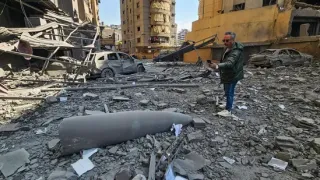
Even as diplomatic efforts continue, the situation on the ground remains volatile. Recent attacks have killed and wounded civilians across multiple Ukrainian regions, underscoring the urgency of securing a lasting ceasefire.
Guided aerial bombs and missile strikes have hit major cities and infrastructure, leaving parts of urban areas without power and damaging critical facilities. These attacks have intensified humanitarian concerns as winter conditions exacerbate civilian suffering.
Ukrainian officials have accused Russia of deliberately targeting energy systems to disrupt daily life, describing the strategy as an attempt to weaponise winter against the civilian population.
Ukraine’s Military Response and Strategic Strikes
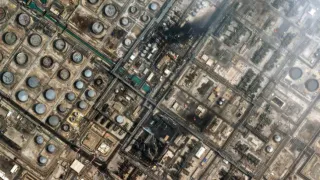
Ukraine has continued to carry out long-range strikes aimed at degrading Russia’s capacity to sustain the war. Recent operations targeted key energy facilities inside Russian territory, reflecting Kyiv’s strategy of disrupting revenue streams.
Ukrainian military leaders have stated that such strikes are designed to weaken Russia’s ability to finance prolonged military operations, particularly through oil exports.
These actions highlight the dual-track nature of the conflict, where diplomacy and military operations proceed simultaneously, each influencing the other’s trajectory.
Challenges to a Lasting Peace
Despite signs of diplomatic momentum, significant obstacles remain. Russia has not indicated any readiness to withdraw from occupied territories, while Ukraine insists on restoring its territorial integrity.
Proposals such as demilitarised zones monitored by international forces have been floated, but their feasibility depends on mutual trust and enforcement mechanisms that are currently lacking.
The Florida meeting between Zelenskyy and Trump represents another attempt to bridge gaps through dialogue, but expectations remain cautious given the history of stalled negotiations.
Global Implications of the Talks
The outcome of the discussions could have far-reaching implications beyond Ukraine. The conflict has reshaped global security dynamics, energy markets, and alliances, making any progress toward resolution internationally significant.
Allies are closely monitoring whether the talks yield concrete steps toward security guarantees or reconstruction commitments that could influence broader diplomatic strategies.
As the war continues to exact a heavy toll, the meeting underscores the ongoing search for a pathway to peace, even as the realities on the ground remain stark and uncertain.
Also Read: Thailand–Cambodia Ceasefire Ends Weeks of Deadly Clashes


About the Author:

Harshit Raj