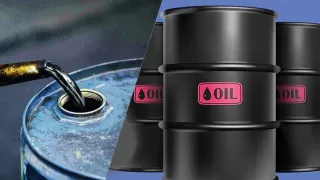
Venezuela’s oil industry, once a symbol of immense national wealth and global energy power, now stands as a cautionary tale of prolonged neglect, mismanagement, and political turmoil. At ports along the Caribbean coast, rusted cranes, aging pipelines, and malfunctioning loading arms slow operations to a crawl, reflecting the broader decay that has taken hold across the sector. What once took a single day to load a supertanker bound for Asia now stretches into nearly a working week, underscoring how deeply infrastructure problems have eroded efficiency.
Against this backdrop, renewed global attention has turned to Venezuela’s vast crude reserves following plans outlined by US President Donald Trump for a US-led revival of the industry. While the prospect of restoring output sparks hope among some policymakers and investors, the scale of deterioration means any meaningful recovery will be complex, expensive, and slow. Analysts warn that reversing years of damage could take more than a decade and demand investments surpassing $100 billion.
The contrast between Venezuela’s geological riches and its operational reality has rarely been starker. Despite sitting atop the world’s largest proven oil reserves, the country now produces only a fraction of what it did during its peak decades ago, highlighting the magnitude of the challenge facing any revival effort.
The Long Decline of a Once Powerful Oil Sector
Venezuela’s oil production tells a dramatic story of rise and fall. In the 1970s, the country pumped close to four million barrels per day, placing it among the world’s leading exporters. Revenues from crude exports funded ambitious social programs and large-scale infrastructure projects, while state oil company operations were regarded as technically capable and globally competitive.
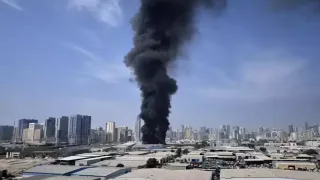
Over time, however, persistent corruption, political interference, and underinvestment hollowed out the industry. Maintenance budgets shrank, skilled workers emigrated, and key assets deteriorated. Fires, leaks, and accidents became more frequent, gradually crippling production capacity. By the mid-2020s, output had fallen to roughly one million barrels per day, a decline of historic proportions.
This prolonged slump has not only weakened Venezuela’s economy but also reshaped global energy dynamics, reducing the country’s influence within oil-producing alliances and international markets.
Crumbling Infrastructure at Ports and Refineries
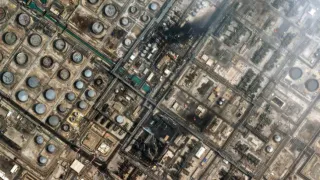
The most visible signs of decay are found at Venezuela’s oil ports, where outdated and poorly maintained equipment struggles to handle modern shipping demands. Loading delays have become routine, creating bottlenecks that frustrate buyers and increase costs. Tankers often queue offshore for days, waiting for facilities that once operated smoothly around the clock.
Refining capacity has suffered a similar fate. Major complexes that were designed to process heavy crude now operate intermittently, plagued by breakdowns and shortages of spare parts. Some advanced upgrading units, previously considered state of the art, have been shut down entirely, leaving vast amounts of crude unable to be processed efficiently.
These problems ripple through the entire supply chain, making Venezuela a less reliable supplier at a time when global buyers prioritize stability and predictability.
The Orinoco Basin and Abandoned Potential
The Orinoco Belt, one of the world’s most oil-rich regions, illustrates both Venezuela’s promise and its predicament. Holding hundreds of billions of barrels of recoverable heavy crude, the basin should be a cornerstone of long-term production growth. Instead, many drilling rigs stand idle, surrounded by deteriorating infrastructure and unaddressed environmental damage.
Years of neglect have left wells inactive and pipelines leaking, while theft and vandalism have stripped equipment for resale. Environmental safeguards have weakened, with spills often going unchecked for long periods, compounding ecological harm and future cleanup costs.
Reviving production in the Orinoco Basin would require not only capital but also modern technology, skilled labor, and robust regulatory oversight to restore confidence among international partners.
The Scale and Cost of a Revival Plan
Experts estimate that restoring Venezuela’s oil output to historical highs would demand sustained investment of around $10 billion annually for at least a decade. This funding would be needed to rebuild ports, repair pipelines, modernize refineries, and restart dormant fields. A faster recovery timeline would require even greater financial commitments.
Such sums reflect not just physical reconstruction but also the institutional rebuilding required after years of mismanagement. Transparent governance, reliable contracts, and consistent policy frameworks are seen as essential prerequisites for attracting large-scale private investment.
Without these foundations, even the world’s largest reserves may remain largely untapped, regardless of international interest.
The Role of US Oil Companies
American energy firms are widely viewed as key players in any potential revival due to their technical expertise and experience handling heavy crude. Refineries along the US Gulf Coast are specifically configured to process this type of oil, making Venezuelan output strategically valuable.
Currently, Chevron remains the only major US company operating in Venezuela, accounting for a significant share of production under special permissions. Other industry giants with historical ties to the country have expressed cautious interest but emphasize that stable political conditions and clear legal frameworks are non-negotiable.
Past nationalizations and unpaid compensation claims continue to weigh heavily on corporate decision-making, reinforcing the need for strong investor protections before capital flows resume.
Political Uncertainty and Investor Caution
Beyond infrastructure challenges, political uncertainty looms as one of the biggest obstacles to recovery. Investors seek assurance that contracts will be honored, sanctions policies clarified, and governance structures stabilized before committing resources on such a massive scale.
The transition of power and the future direction of Venezuela’s political system remain unclear, creating hesitation among companies that must weigh long-term risks against potential rewards. Even optimistic analysts suggest that planning and preparatory work will precede any substantial financial commitments.
Until these uncertainties are addressed, large-scale investment is likely to remain tentative and incremental.
Global Oil Markets and Economic Realities
Another complicating factor is the current state of global oil markets. With ample supply and relatively low prices, energy companies are under pressure to prioritize capital discipline and shareholder returns. High-risk investments in politically complex environments face stiff competition from more stable opportunities elsewhere.
At the same time, Venezuela’s oil potential remains uniquely attractive due to the sheer size of its reserves. For companies capable of managing risk and negotiating favorable terms, the long-term payoff could be substantial.
This balance between caution and opportunity will shape the pace and scale of any revival effort.
A Long Road Ahead for Venezuela Oil
The vision of reviving Venezuela’s oil industry is ambitious and fraught with challenges. Years of decay cannot be undone quickly, and the path forward will require patience, capital, and political will from both domestic leaders and international partners.
While a US-led push could accelerate momentum, success ultimately hinges on rebuilding trust, infrastructure, and institutions simultaneously. Without progress on all three fronts, Venezuela’s vast oil wealth may remain more theoretical than transformative.
For now, the country stands at a crossroads, with the promise of recovery tempered by the realities of a deeply damaged industry and an uncertain political landscape.
Also Read: Hema Malini Explains Separate Prayer Meet for Dharmendra