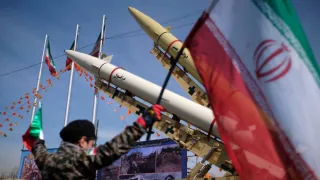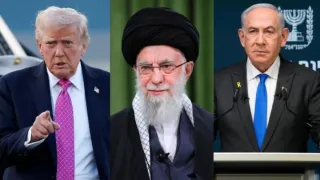
Global attention has turned sharply toward Iran as political rhetoric, international warnings and unrest inside the country converge into a volatile situation. Rising casualties, diplomatic pressure and conflicting claims from Washington and Tehran have pushed tensions to levels not seen in years. Governments across the world are closely monitoring developments amid fears of a broader regional fallout.
The crisis has unfolded against the backdrop of widespread protests across Iran, triggered by deep public anger and met with a forceful response from security forces. Reports of thousands of deaths and mass arrests have intensified scrutiny from human rights groups, while global powers weigh their responses carefully.
At the centre of the unfolding drama are statements from former US President Donald Trump, assertions from Iranian leadership, and visible signs of military and diplomatic alertness across the Middle East. Together, these elements underscore the fragile balance that currently defines US–Iran relations.
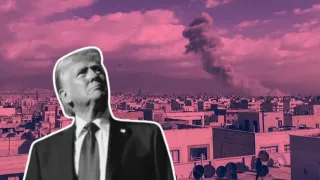
Trump’s Claims Amid Escalating Protests
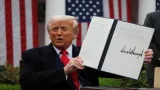
Donald Trump stated that he had received credible information suggesting Iranian authorities had halted rapid trials and executions connected to the ongoing protests. His remarks came as reports indicated that unrest had resulted in more than 3,400 deaths, marking one of the deadliest episodes of internal conflict in Iran’s recent history.
Trump went further by asserting that killings linked to the unrest were slowing or stopping altogether. He repeated that there were allegedly no immediate plans for executions, presenting this as a significant development at a time when global concern over Iran’s internal response was mounting.
These claims followed earlier remarks in which Trump openly encouraged protesters and suggested that external assistance could be forthcoming. Such statements amplified tensions, drawing sharp criticism from Tehran and raising alarm among Western governments wary of further escalation.
Human Rights Reports Paint a Grim Picture
Independent human rights organisations have released starkly different but equally troubling casualty figures. One Norway-based group estimated that security forces had killed at least 3,428 protesters, describing the crackdown as unprecedented in scale compared to previous episodes of unrest.
Another US-based organisation reported a lower but still devastating death toll exceeding 2,500 people. Both groups highlighted widespread arrests, with estimates suggesting that more than 10,000 individuals have been detained since the protests began.
The discrepancies in numbers have not diminished global concern. Instead, they have reinforced calls for transparency, accountability and restraint as the humanitarian impact of the unrest continues to grow.
Iran Denies Execution Plans, Asserts Control
Iranian officials have strongly disputed claims that executions are underway or imminent. Foreign Minister Abbas Araghchi publicly stated that there were no plans for hangings, directly countering earlier narratives that Iran intended to fast-track trials and impose harsh punishments.
Araghchi maintained that the Iranian government remained firmly in control of the situation. He claimed that after several days of what he described as coordinated violence, calm had returned and state authority had been restored across affected regions.
These statements were intended to project stability and resilience, even as international pressure mounted and warnings from global powers grew increasingly pointed.
US Military Precautions Raise Regional Anxiety
Concerns intensified after reports emerged that the United States had begun withdrawing some personnel from military installations across the Middle East. These precautionary measures were interpreted as a response to rising tensions and potential threats against American assets in the region.
Several Gulf nations hosting US forces issued alerts and advised caution, underscoring fears that any confrontation could quickly spill across borders. Saudi Arabia made it clear that it would not permit its territory or airspace to be used for attacks on Iran.
The visible shift in military posture reignited memories of past US–Iran standoffs and heightened anxiety among regional allies dependent on stability in the oil-rich Gulf.
Diplomatic Fallout Across Europe and Beyond
European nations responded by reassessing their diplomatic presence in Iran. The United Kingdom temporarily closed its embassy in Tehran, citing security concerns and withdrawing staff while continuing operations remotely.
Germany and other European countries witnessed protests both in solidarity with Iranian demonstrators and against the Iranian leadership. These demonstrations highlighted how the unrest had resonated far beyond Iran’s borders.
G7 nations collectively expressed deep alarm over reports of deaths and injuries, warning that continued violence could lead to additional sanctions and further diplomatic isolation for Tehran.
Airspace Closure and Heightened Security Measures
Iran’s decision to briefly close its airspace added another layer of uncertainty to the unfolding crisis. While no official explanation was provided, the move fuelled speculation about security threats and potential military developments.
Flight disruptions, even temporary ones, signalled the seriousness with which authorities were treating the situation. Such measures often indicate elevated alert levels during periods of heightened geopolitical risk.
Combined with embassy closures and military repositioning, the airspace decision contributed to a sense of instability gripping the region.
India and Regional Diplomacy in Focus
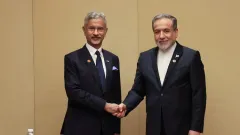
India closely monitored developments as External Affairs Minister S. Jaishankar held discussions with his Iranian counterpart. The talks focused on regional stability, safety of nationals and evolving geopolitical dynamics.
The Indian embassy in Tehran issued advisories urging citizens to exercise caution and, where possible, leave the country using available transport options. Similar advisories were issued by several other nations concerned about the risk of escalation.
These diplomatic engagements highlighted how the crisis had implications well beyond Iran and the United States, affecting trade, energy security and regional alliances.
Global Powers React to Rising Tensions
Russia and China openly criticised threats of US action against Iran, emphasising the importance of sovereignty and non-interference. Russian officials reiterated that their relationship with Tehran would not be influenced by external pressure.
China echoed calls for restraint, warning that further destabilisation could have far-reaching consequences for global markets and regional peace.
As competing narratives emerge from Washington and Tehran, the international community remains caught between concern for human rights, fears of military escalation and the urgent need for diplomatic solutions.
A Region on Edge
The situation surrounding Iran continues to evolve rapidly, shaped by internal unrest, external pressure and strategic calculations by global powers. Statements from political leaders, movements of military assets and diplomatic actions all point to a moment of heightened risk.
While claims of halted executions offer a potential glimmer of de-escalation, conflicting reports and ongoing alerts suggest that uncertainty remains the defining feature of the crisis.
As the world watches closely, the coming days are likely to determine whether tensions ease through dialogue or escalate into a broader confrontation with lasting regional and global consequences.
Also Read: Microsoft Fixes 114 Windows Flaws One Actively Exploited