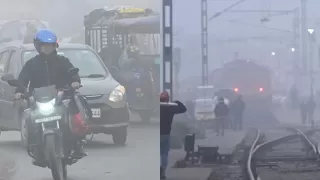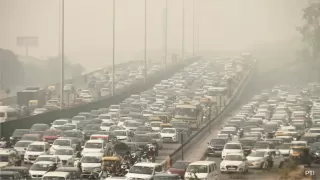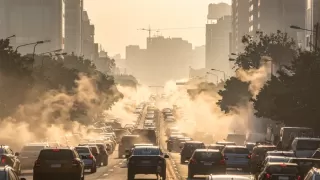
Dense, toxic smog has once again enveloped India’s capital, pushing daily life in New Delhi and the surrounding National Capital Region into crisis mode. A thick grey haze has reduced visibility, triggered health alarms, and disrupted transport networks, leaving residents struggling to cope with hazardous air conditions.
The worsening pollution has dominated public discourse as authorities scramble to contain the situation through emergency measures. With air quality remaining in the “severe” category for several consecutive days, the smog episode has highlighted the fragile balance between urban growth, environmental management, and public health.
As winter sets in, Delhi’s recurring air pollution problem has resurfaced with alarming intensity, affecting travel, education, and safety, while reigniting political and policy debates around long-term solutions.
Toxic Smog Blankets Delhi and NCR
A dense layer of smog has blanketed New Delhi and neighboring areas, significantly reducing visibility across the region. Early mornings have been marked by hazy skylines and poor air clarity, making routine activities difficult for commuters and pedestrians alike.
The National Capital Region, which includes several densely populated suburbs, has experienced some of the worst pollution levels in weeks. Experts attribute the severity to a combination of vehicular emissions, industrial activity, construction dust, and seasonal factors that trap pollutants close to the ground.
Air Quality Remains in the “Severe” Category
Air quality readings across the capital have continued to hover in the “severe” range, raising serious health concerns. The average Air Quality Index has crossed levels considered hazardous, far exceeding thresholds deemed safe for human exposure.
Health professionals have warned that prolonged exposure to such conditions can aggravate respiratory illnesses, cardiovascular problems, and eye irritation, particularly among children, the elderly, and those with pre-existing conditions.
Emergency Pollution-Control Measures Imposed
In response to the deteriorating air quality, authorities have enforced the strictest pollution-control measures available. These include a complete ban on the movement of older diesel vehicles, which are considered major contributors to particulate pollution.
Construction activities across the region have also been halted to prevent further dust emissions. Officials have stated that these steps are necessary to curb pollution spikes, even as they acknowledge the economic and logistical challenges such restrictions create.
Schools Shift to Hybrid Learning
With air quality remaining hazardous, schools in Delhi have been directed to adopt a hybrid mode of learning. This approach allows students to attend classes online while limiting physical exposure to polluted outdoor conditions.
Parents and educators have expressed concern over the long-term impact of repeated smog episodes on children’s health and education, as frequent disruptions have become a recurring feature of the winter season.
Travel Disrupted by Low Visibility
The thick haze has severely impacted air and rail travel, creating delays and cancellations across transport networks. Reduced visibility has made flight operations challenging, forcing airlines to cancel or reschedule numerous services.
Passengers have been advised to check flight statuses in advance, as airport authorities cautioned that departures and arrivals could continue to face intermittent disruptions despite some improvement in runway visibility.
Flights Cancelled and Delayed
More than 40 flights were reportedly cancelled due to poor visibility, while several others faced delays as pilots navigated difficult landing and takeoff conditions. Airlines issued advisories to travelers, urging flexibility and preparedness for last-minute changes.
The disruption has added to commuter frustration during an already challenging pollution spell, particularly for those traveling during the peak holiday and business season.
Rail Services Face Operational Challenges
Rail travel has also been affected, with trains running late due to fog-like smog conditions along key routes. Reduced visibility has forced operators to slow down services to ensure passenger safety.
Railway officials have stated that while services remain operational, delays are likely to persist until visibility improves and air quality stabilizes.
Deadly Highway Accident Linked to Smog
The hazardous conditions have had tragic consequences on road safety. A multi-vehicle pile-up on the Delhi-Mumbai expressway was reported after drivers struggled with near-zero visibility caused by the smog.
The accident resulted in fatalities and left several others injured, underscoring the dangers posed by extreme pollution not just to health, but also to public safety and infrastructure.
Why Smog Returns Every Winter
Smog is a recurring phenomenon in Delhi, particularly during the winter months when colder temperatures and low wind speeds trap pollutants near the surface. Agricultural residue burning, vehicle emissions, and industrial output further compound the problem.
Experts have long warned that without structural changes in energy use, transport planning, and regional coordination, seasonal smog will continue to plague the capital year after year.
Political Debate Over Pollution Control
Air pollution has once again become a heated political issue, with parties trading blame over the failure to implement lasting solutions. Calls have grown louder for coordinated action between the central government, state authorities, and neighboring regions.
Environmental groups argue that emergency measures, while necessary, offer only temporary relief and must be accompanied by long-term reforms focused on clean energy, public transport, and sustainable urban development.
Public Health Concerns Rise
Hospitals across the city have reported an increase in patients suffering from breathing difficulties, coughing, and eye irritation. Doctors advise residents to limit outdoor activity, use masks, and rely on indoor air purification where possible.
The smog crisis has also raised concerns about mental well-being, as prolonged confinement indoors and constant health warnings add to stress and anxiety among residents.
Looking Ahead: The Need for Long-Term Solutions
As Delhi continues to choke under toxic smog, the urgency for lasting solutions has never been greater. Experts stress the importance of regional cooperation, stricter emission standards, and investment in cleaner technologies.
Until such measures take effect, residents of the capital may continue to face disrupted travel, health risks, and seasonal uncertainty, making air pollution one of the most pressing challenges confronting India’s urban future.
Also Read: Centre to Replace MGNREGA With G Ram G? Congress Reacts