Safety for women in India has always been a topic of public concern, social discussion, and national priority. But in recent years, the conversation has shifted from fear to awareness, and now, towards measurable improvement. The NARI 2025 report, one of the most comprehensive gender-safety assessments in the country, has identified the Top 5 Safest Cities for Women in India, and the findings may surprise many.
Cities from the Northeast continue to dominate the list, showcasing exceptional gender equity, civic participation, community involvement, and strong institutional performance. Along with them, a major metropolitan city like Mumbai continues to set an example by maintaining robust safety infrastructure and public trust.
The report evaluates multiple parameters, including:
- Women’s safety perceptions
- Public transport security
- Policing efficiency
- Street infrastructure
- Nightlife safety
- Institutional responsiveness
- Gender equity and employment participation
- Community-building and civic behavior
Below is the full deep dive into the Top 5 Safest Cities for Women in 2025, with detailed insights into what makes each city stand out.
5. Gangtok (Sikkim)
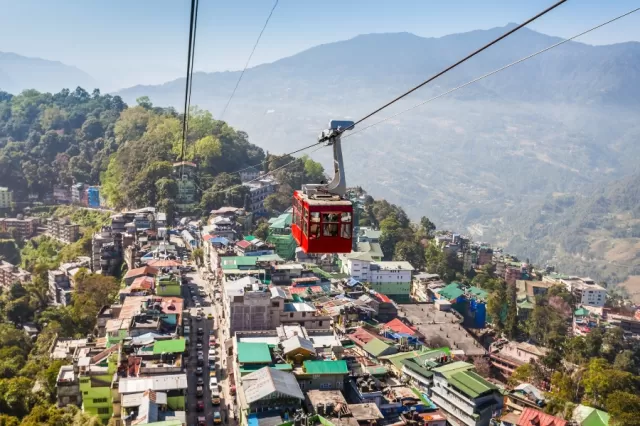
Gangtok secures the fifth position among the safest cities for women in 2025. Known for its serene landscapes and progressive governance, the city is a symbol of gender sensitivity and social harmony.
What Makes Gangtok So Safe for Women
1. Exceptional Gender Equity
Sikkim has long maintained a socially balanced environment with high female literacy, participation in public life, and equal economic opportunities. This results in lower crime rates and fewer harassment incidents.
2. Woman-Friendly Tourism
Gangtok receives thousands of solo female travellers every year. Hotels, transport operators, and tourism officers strictly follow safety protocols, making the city a reliable destination for women.
3. Well-Maintained Public Areas
Roads are clean, streetlights are functional, and traffic is organised. Hill roads naturally reduce overcrowding, adding to the feeling of safety.
4. Transparent and Responsive Governance
The Sikkim Police is known for honest and prompt responses. Women’s units and helplines ensure easy access to help when needed.
Life for Women in Gangtok
Gangtok offers a quiet yet empowering environment for women. Whether someone is exploring MG Marg, working in the city, or staying as a student, the overall atmosphere promotes respect and protection.
It’s a place where women can travel freely, participate in cultural events, and enjoy nightlife without fear, something rare in many Indian cities.
4. Aizawl (Mizoram)
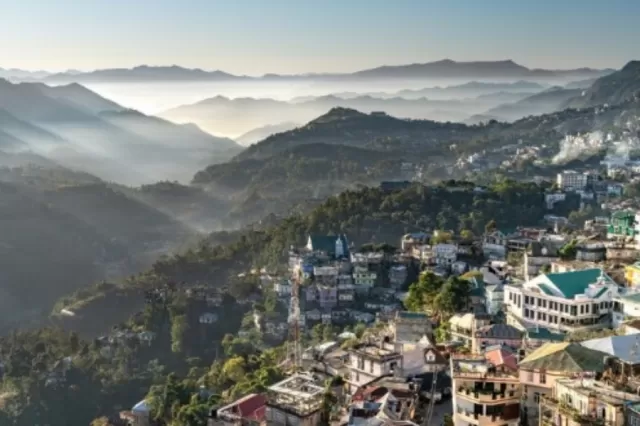
Aizawl, the charming capital of Mizoram, ranks fourth and continues to be one of India’s safest, cleanest, and most disciplined cities. The Mizo community is widely admired for its peaceful lifestyle, strong moral values, and highly literate population.
Why Aizawl Shines in Women’s Safety
1. Highest Literacy and Gender Respect
Mizoram boasts one of the highest literacy rates in India, which directly influences gender sensitivity. Respect for women is deeply embedded in local culture.
2. Community-Led Law and Order
Instead of relying solely on enforcement, Aizawl’s communities take proactive roles in maintaining order. Even petty crimes are rare, and socially unacceptable behaviour is openly discouraged.
3. Safe Public Transport and Streets
Public transportation, shared taxis, and city roads operate smoothly. Street lighting and cleanliness contribute significantly to nighttime safety.
4. Strong Female Workforce and Participation
Women in Mizoram participate actively in businesses, education, and social groups. Their visibility and empowerment naturally lead to greater protection.
Life for Women in Aizawl
Walking through Aizawl’s scenic hills, bustling markets, or community halls, women routinely describe feeling safe and respected. Solo female travellers also find the city welcoming and secure, even during late hours.
Aizawl is a standout example of how culture and civility, when rooted deeply in society, become more effective than any policing system.
3. Bhubaneswar (Odisha)

Bhubaneswar, Odisha’s capital and one of India’s top smart cities, ranks third on the NARI safety index. Its transformation over the past decade has been remarkable, especially with improvements in public design, education, and administrative efficiency.
Why Bhubaneswar Ranks Among the Top
1. Smart City Infrastructure
Bhubaneswar has invested in wide sidewalks, well-lit streets, organised traffic systems, and intelligent surveillance, making its urban spaces safer for women.
2. Educational and IT Hub Influence
The city’s large student population from universities and IT professionals fosters a progressive environment. Workplace policies and safety practices are well-enforced.
3. Improved Policing Practices
Odisha Police has introduced women-led police stations, 24/7 helplines, anti-harassment squads, and cyber safety initiatives dedicated to women and girls.
4. Increased Public Awareness
Campaigns on women’s rights, harassment reporting, and legal awareness have strengthened public responsibility and reduced crime over time.
Life for Women in Bhubaneswar
Today’s Bhubaneswar is far more organised, safe, and accessible. Women feel secure exploring markets, cultural centres, hostels, workplaces, and transport routes. IT companies and universities have added strong anti-harassment systems, establishing a safer ecosystem for young women.
Bhubaneswar’s balanced growth, strong leadership, and smart infrastructure have helped it evolve into one of India’s most reliable urban spaces for women.
2. Visakhapatnam (Andhra Pradesh)

Visakhapatnam, popularly called Vizag, ranks second among the safest cities for women in India in the NARI 2025 report. This city consistently scores high for its modern infrastructure, peaceful environment, and strong administrative governance.
Why Visakhapatnam Performs Exceptionally Well
1. Low Crime Rate and High Surveillance
Vizag has a comparatively low crime rate, especially crimes against women. With increased CCTV surveillance, AI-monitored zones, and upgraded street lighting, the city ensures safer public movement.
2. Progressive Policing Model
The Andhra Pradesh Police has invested heavily in digital policing systems, SHE teams, and emergency services like Disha App, tools that women trust and use actively.
3. Strong Public Transport Safety
City buses, metro corridors under development, and auto stands operate under safety guidelines, making daily commutes significantly safer.
4. Good Public Perception and Tourist Safety
Women in Vizag, whether residents or tourists, report feeling secure at major destinations like RK Beach, Kailasagiri, and shopping districts.
Life for Women in Visakhapatnam
The city’s calm vibe, structured expansion, and educated population contribute to safer streets. Colleges and workplaces promote gender-friendly policies, and nighttime restrictions are minimal due to improved patrolling.
Visakhapatnam is growing rapidly, but without losing the cultural values that maintain safety and harmony, making it a city where women can build careers, explore, and live confidently.
1. Kohima (Nagaland)

Kohima tops the NARI 2025 safety index, emerging as the most secure city for women in the country. The capital city of Nagaland has long been known for its peaceful atmosphere, disciplined civic life, and deeply rooted community culture.
Why Kohima Leads the List?
1. Community-Driven Safety
Kohima’s social structure is built on close-knit communities. Women enjoy a sense of belonging, and neighbourhoods tend to look out for one another. Harassment cases are notably low, thanks to strong social expectations around respectful behaviour.
2. High Gender Participation
Nagaland is known for maintaining better gender ratios and for offering women equal participation in education, business, and community decision-making. This inclusion translates directly into improved security.
3. Efficient Policing and Quick Responses
The Nagaland Police is often praised for its responsiveness. The presence of women’s help desks, specialised response teams, and active patrolling contributes to high safety ratings.
4. Clean Public Spaces and Safe Transportation
Kohima’s roads, markets, and common areas are well-maintained. Public transport, including shared taxis and buses, follows strict regulations, helping women feel safer even during evening hours.
Life for Women in Kohima
Women travellers often describe Kohima as a city where they can walk confidently without constant fear or vigilance. Even solo female tourists find the environment welcoming. Night markets, cafés, and local events operate smoothly, reflecting how safe mobility is embedded in everyday life.
Kohima is not just a safe city; it’s a model for the rest of India, showing how societal respect and community values can create a powerful foundation for women’s security.
Key Insights from the NARI 2025 Report
1. Northeast Dominance in Women's Safety
Cities like Kohima, Aizawl, Gangtok, and even Itanagar outside the top 5 consistently outperform the rest of India. Reasons include high gender equity, strong community culture, low crime rates, better education levels, and civic participation.
2. Mumbai’s Consistent Performance
Though not in the top 5, Mumbai stands out as one of the safest major metro cities in India. Its strengths include high safety perception, efficient public transport, women-friendly local trains, and strong policing infrastructure.
3. Areas of Concern
Not all cities have shown improvement. Cities like Delhi, Patna, Jaipur, and Kolkata rank low due to poor nighttime safety, weak public transport safety, low institutional responsiveness, higher crime rates, and overcrowding.
The safest cities for women in India share common traits such as high gender respect, strong community participation, responsive policing, clean and well-lit public spaces, organised public transport, and an empowered female workforce.
From Kohima’s community-led security to Vizag’s technological policing, Bhubaneswar’s smart-city innovations, Aizawl’s cultural respect, and Gangtok’s gender balance, each city demonstrates a unique path to safety.
If India adopts even a fraction of these models nationwide, the country could witness a revolutionary shift in women’s safety and public freedom.
Also Read: Top 10 Most Polluted Cities in India 2025 AQI Ranking