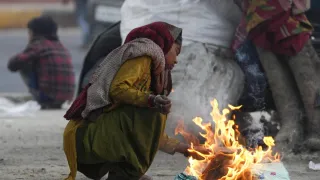
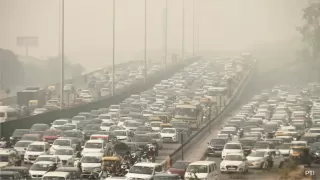
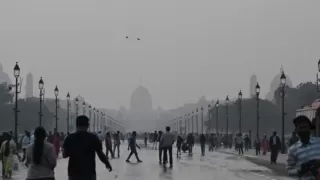
India’s air quality crisis has reached a critical point, with several cities recording dangerously high AQI levels through November 2025. According to the latest data from the Central Pollution Control Board (CPCB) and IQAir Live AQI⁺ rankings, the National Capital Region (NCR) continues to dominate the list of the worst-polluted cities in the world. New Delhi still carries the heavy burden of being the world’s most polluted capital, but the crisis extends well beyond Delhi itself.
The 2025 winter months have intensified the toxic cocktail of PM2.5, PM10, vehicular emissions, industrial smoke, dust, stubble burning, and stagnant winds, creating hazardous conditions across Uttar Pradesh, Haryana, and Delhi NCR. This article breaks down the latest AQI numbers and provides a detailed city-by-city explanation, helping readers understand what is driving severe pollution levels and how the situation impacts daily life.
Understanding AQI Levels
Air Quality Index (AQI) is a standardised system that indicates how polluted the air currently is and what associated health effects might be. India follows a scale from 0 to 500, categorised as follows:
| AQI Range | Air Quality Category | Health Implication |
|---|---|---|
| 0-50 | Good | Minimal or no health impact |
| 51-100 | Satisfactory | Minor breathing discomfort for sensitive people |
| 101-200 | Moderately Polluted | Discomfort for children, elderly and people with lung disease |
| 201-300 | Poor | Increased breathing discomfort on prolonged exposure |
| 301-400 | Very Poor | Respiratory illnesses likely |
| 401-500 | Severe | Emergency conditions; serious health impacts |
Top 10 Most Polluted Cities in India (November 2025)
10. Baghpat, Uttar Pradesh - AQI 330
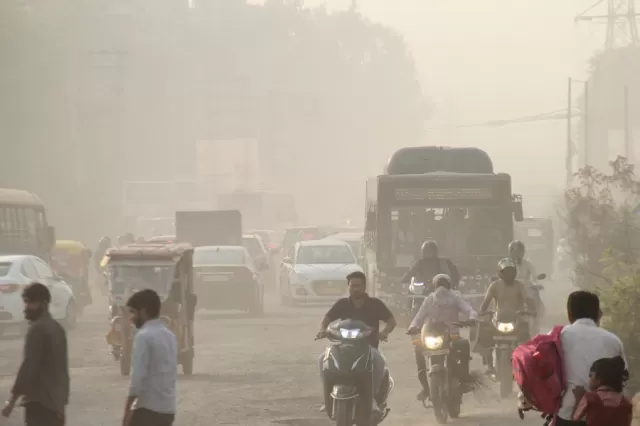
Baghpat, located near Delhi’s border, experiences severe pollution spillover from all directions.
What's contributing to pollution
- Agricultural residue burning.
- Illegal brick kilns operating outside urban limits.
- Dust and smoke drifting from Delhi, Sonipat, and Ghaziabad.
- Limited enforcement of pollution control norms.
Effect on residents
- Crop yield reduction due to atmospheric changes.
- Elderly individuals are especially impacted by throat infections and wheezing.
- Residents are increasingly using indoor plants and filtering masks.
9. Manesar, Haryana - AQI 342
A well-known industrial hub, Manesar is home to thousands of factories and automotive plants.
What makes Manesar highly polluted
- Large-scale industrial emissions from automobile manufacturing.
- Busy NH48 highway producing persistent vehicular pollution.
- Dust from warehouse construction in newly developing sectors.
Living conditions
- The town sees thick smog, especially during early hours, with many employees choosing to work remotely when AQI spikes.
8. Meerut, Uttar Pradesh - AQI 350
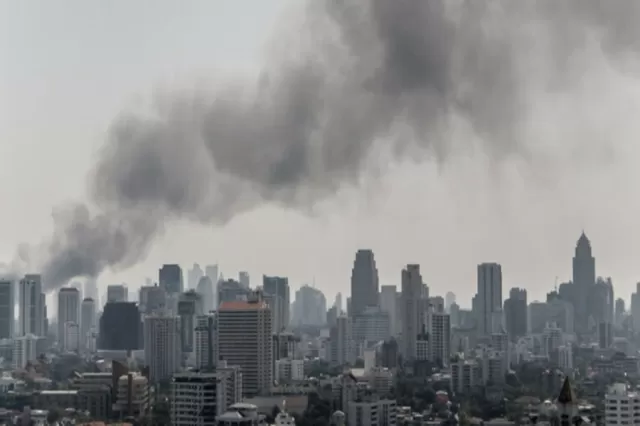
Meerut, a major commercial and educational hub in Western UP, consistently ranks among India’s most polluted cities.
Reasons behind heavy pollution
- Traffic congestion around Begumpul, Pallavpuram, and Shastri Nagar.
- Industrial emissions from sports goods manufacturing units.
- PM10 dust from poorly maintained roads.
- Overflow of vehicles passing through Meerut on the way to Delhi and Dehradun.
Public response
- Residents purchased air purifiers in large numbers. Schools were instructed to limit outdoor activities and assemblies.
7. Bulandshahr, Uttar Pradesh - AQI 356
Bulandshahr has quietly become one of the worst-hit cities, with air quality dipping sharply in 2025.
Major contributors
- Cement factories and industrial zones.
- Crop burning in surrounding rural belts.
- Dust from ongoing highway expansion work.
- Poor waste management leading to frequent garbage burning.
Health and environmental effects
- Increase in bronchitis cases.
- Smog enveloped rural and urban areas alike.
- Livestock health also reportedly affected due to toxic air.
6. Charkhi Dadri, Haryana - AQI 366
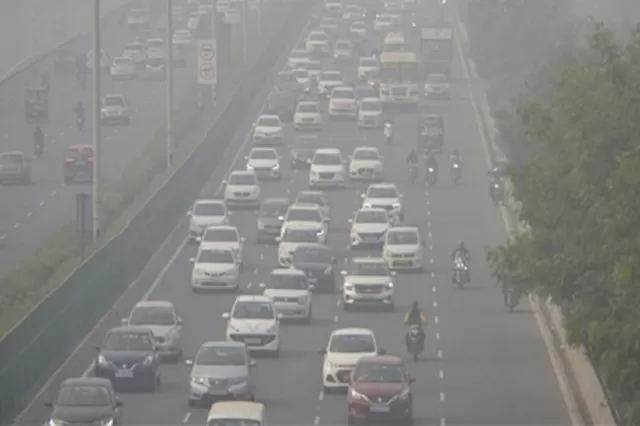
A relatively smaller town compared to Delhi NCR giants, Charkhi Dadri recorded surprisingly poor air quality.
What’s driving pollution in Charkhi Dadri
- Nearby stone-crushing units generate heavy particulate matter.
- Agricultural stubble burning peaks during winter.
- Vehicular pollution from interstate routes.
- Limited green cover to absorb airborne pollutants.
Impact on public life
- People heavily depended on masks even for short outdoor activities. Most families avoided morning walks due to thick smog.
5. Greater Noida, Uttar Pradesh - AQI 382
Greater Noida’s rapid urbanisation has come at a high environmental cost.
Key pollutants
- PM2.5 from local factories and thermal power stations nearby.
- Dust from Yamuna Expressway construction expansions.
- Heavy truck movement from logistics hubs.
City conditions
- Visibility dropped drastically during early mornings.
- Residents reported soot deposits on balconies and vehicles.
- Outdoor sports and fitness activities saw a steep decline.
4. Delhi (NCT) - AQI 382
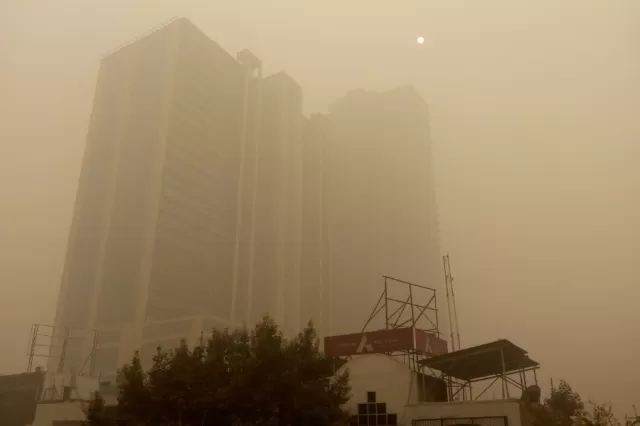
Delhi’s pollution crisis continues to receive global attention. With an AQI of 382, the air remains hazardous.
Why Delhi remains extremely polluted
- Winter inversion layer traps pollutants.
- Stubble burning from Punjab and Haryana.
- Vehicular emissions from more than 1.2 crore registered vehicles.
- Dust from ongoing metro, road, and flyover construction.
- Industrial fumes from nearby NCR towns.
Emergency measures under GRAP
- Ban on all construction activities.
- Odd-even vehicle scheme considered during peak smog days.
- Smog towers activated in Connaught Place.
- Schools given shutdown days depending on AQI severity.
Delhi continues to be the world’s most polluted capital, reinforcing the urgent need for coordinated regional policies.
3. Ghaziabad, Uttar Pradesh - AQI 396
Ghaziabad has been one of NCR’s pollution hotspots for years, and 2025 was no exception.
Main pollution sources
- Brick kilns surrounding the city.
- Large-scale industrial manufacturing (steel rolling, electronics, chemicals).
- Dust storms from open construction zones along Raj Nagar Extension and NH24.
- Traffic congestion near Mohan Nagar and Vasundhara.
Health implications
Residents reported:
- Chronic cough, wheezing, burning eyes.
- Worsening of asthma symptoms in children.
- Increased hospital visits due to breathlessness.
2. Noida, Uttar Pradesh - AQI 397
Once known for its clean, well-planned infrastructure, Noida now struggles with toxic winter smog.
Reasons behind high pollution in Noida
- Massive real estate development generating continuous construction dust.
- High population density leading to vehicular emissions at peak hours.
- Pollution drifting from Delhi and Greater Noida, creating a “trapping zone.”
- Industrial clusters in sectors 63, 67, 80 contribute to PM10 and PM2.5.
Local response
- Authorities deployed anti-smog guns.
- GRAP Stage III restrictions curbed construction and older diesel vehicles.
- Awareness campaigns encouraged carpooling and work-from-home flexibility.
1. Hapur, Uttar Pradesh - AQI 416
Hapur tops the list as the most polluted city in India in November 2025. Recording an AQI of 416, the air falls squarely in the Severe category, posing significant health hazards for residents.
Why Hapur’s AQI is so high
- Unregulated factories, particularly those involved in steel, paper, and textile production, contribute heavily to PM2.5 emissions.
- Crop residue burning in neighbouring rural regions intensifies winter pollution.
- Heavy truck movement through the NH9 corridor adds a persistent layer of dust and smoke.
- Construction activities around expanding townships and flyovers create suspended particulate matter.
Impact on residents
- Schools were advised to shift to online mode on high-pollution days.
- Hospitals in the region noted a rise in respiratory cases.
- Morning smog remained dense, reducing visibility and increasing road accident risks.
NCR dominates this list, with multiple cities from Uttar Pradesh and Haryana recording choking levels of PM2.5 pollution.
| Rank | City | State | AQI | Category | Major Pollutants |
|---|---|---|---|---|---|
| 10 | Baghpat | Uttar Pradesh | 330 | Very Poor | PM2.5 |
| 9 | Manesar | Haryana | 342 | Very Poor | PM2.5 |
| 8 | Meerut | Uttar Pradesh | 350 | Very Poor | PM10, PM2.5 |
| 7 | Bulandshahr | Uttar Pradesh | 356 | Very Poor | PM2.5 |
| 6 | Charkhi Dadri | Haryana | 366 | Very Poor | PM2.5 |
| 5 | Greater Noida | Uttar Pradesh | 382 | Very Poor | PM2.5 |
| 4 | Delhi (NCT) | Delhi | 382 | Very Poor | PM2.5 |
| 3 | Ghaziabad | Uttar Pradesh | 396 | Very Poor | PM10, PM2.5 |
| 2 | Noida | Uttar Pradesh | 397 | Very Poor | PM10, PM2.5 |
| 1 | Hapur | Uttar Pradesh | 416 | Severe | PM2.5 |
Why NCR Dominates India’s Most Polluted Cities List?
- Geographical disadvantage
NCR lies in a landlocked region, with no sea breeze to disperse pollutants.
- Winter inversion effect
Cold winds trap pollutants close to the ground.
- Stubble burning
Late October to early December sees massive open-field burning across Punjab and Haryana.
- High population and vehicles
More people = more vehicles = more emissions.
- Unplanned urbanization
Massive construction, frequent road digging, and industrial clusters worsen particulate pollution.
Health Impacts of Very Poor and Severe AQI Levels
- Difficulty in breathing after minimal physical activity
- Worsening of asthma, COPD, and heart disease
- Burning sensation in throat and eyes
- Reduced lung capacity in children
- Increased risk of respiratory infections
- Long-term exposure linked to cardiovascular issues
Medical experts recommend:
- Avoiding outdoor exercise during peak smog hours
- Using N95 masks
- Keeping indoor air purified and well-filtered
- Drinking warm fluids to soothe respiratory passages
Can This Pollution Crisis Be Controlled?
While the government has taken steps like:
- GRAP stage restrictions
- Anti-smog guns
- Dust control measures
- Firecracker bans
- Construction bans
The solution requires long-term, multi-state collaboration involving:
- Cleaner public transport
- Crop residue management tech
- Sustainable construction practices
- Industrial emission monitoring
- Urban forestry and green belts
November 2025 has been a harsh reminder of India’s growing air pollution crisis. With 10 out of 10 most polluted cities belonging to NCR’s ecosystem, it is clear that the problem is regional, interconnected, and extremely urgent.
The road ahead demands strict enforcement, innovative solutions, and community participation. Until then, residents must stay informed, stay protected, and remain conscious of the air they breathe.
Also Read: Top 10 Indian Cities With the Cleanest Air in 2025