Every year, as winter loosens its grip and the air turns warm, millions of Hindu families across India observe one of the season's most quietly powerful festivals: Sheetla Ashtami. Falling on March 11, 2026, this day carries centuries of tradition, spiritual significance, and, perhaps surprisingly, a deeply practical message about health.
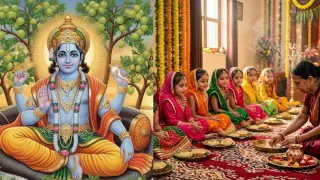
Sheetla Saptami Preparations the Night Before Ashtami
Sheetla Ashtami is celebrated on the eighth day (Ashtami) of the Krishna Paksha in the month of Chaitra. Devotees worship Mata Sheetla, the goddess associated with healing, protection from disease, and the cooling of the body. Her name itself, Sheetla, translates to "the cool one."
The timing is no coincidence. This festival arrives exactly when the season shifts, a period when the body becomes vulnerable to infections, skin diseases, and digestive ailments. Ancient wisdom recognised this transition long before modern medicine did, embedding health awareness right into religious observance.
Families pray to Mata Sheetla not just for spiritual blessings, but to seek her shield against illness for the entire household.
No Cooking on Sheetla Ashtami
On Sheetla Saptami, the day preceding Ashtami, households get busy in the kitchen. This is the last evening that fire is lit for cooking. Families prepare an elaborate spread: dal-bhat, pooris, dahi, lassi, and seasonal green vegetables.
All of it is intentional. These dishes, once cooled and kept overnight, become the sacred bassi bhog, the cold, day-old offering presented to Mata Sheetla on the morning of March 11. After the puja, the entire family eats this food as prasad.
It's a ritual that doubles as ancient nutritional guidance: consuming cooling, fermented, and rested foods as the hot season begins.
Key Rules to Follow on Sheetla Ashtami 2026
1. No Fire in the Kitchen, Strictly
The most defining rule of this day: no stove, no gas, no flame. The kitchen stays cold. Whatever was prepared on Saptami is what gets eaten. Lighting a fire is considered inauspicious and goes against the spirit of the goddess, who embodies coolness and relief from heat.
If you haven't prepared food the evening before, it's best to make arrangements in advance. This rule has no workarounds.
2. Wake Early, Visit the Temple
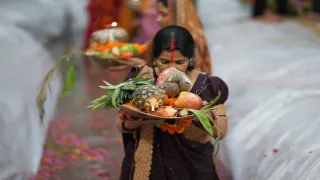
Devotees rise before sunrise, bathe, and head to the nearest Sheetla Mata temple. The puja involves offerings of haldi (turmeric), dahi (curd), and bajra (pearl millet), all foods with cooling or medicinal properties. In many regions, neem leaves hold special significance during this worship, owing to their well-known antibacterial and immunity-boosting qualities.
3. Last Day of Bassi Food
According to tradition, Sheetla Ashtami marks the final occasion of the year to eat bassi (stale or day-old) food. After this date, consuming leftover or old food is strongly discouraged. The rising heat of spring and summer makes food spoil quickly, turning it genuinely hazardous. The festival, in effect, signals a seasonal dietary shift.
4. Offer Prayers to Lord Shiva on This Day
Beyond Mata Sheetla, devotees are also encouraged to offer prayers to Lord Shiva on this day. It is believed that sincere, wholehearted worship invites the goddess's blessings continuously throughout the year, keeping the family protected from disease and hardship.
The Deeper Meaning Behind Sheetla Ashtami Rituals
What makes Sheetla Ashtami remarkable is how seamlessly it weaves faith with practical wisdom. Cold food keeps the body temperature down as summer approaches. Neem and turmeric are natural antibiotics. Avoiding stale food after this date is medically sound advice.
Whether one approaches it through devotion or through the lens of ancestral health science, the message is consistent: take care of your body as the seasons change.
For families observing Sheetla Ashtami on March 11, 2026, the day offers more than just religious merit. It's an invitation to slow down, honour an age-old tradition, and start the warmer months with intentional care, for both the soul and the body.
Observe the rituals with sincerity, prepare the bhog a night in advance, and begin the season with Mata Sheetla's blessings.
Also Read: Panchang March 11 2026: Sheetala Ashtami, Muhurat & Rahukaal