Russian President Vladimir Putin’s upcoming visit to India has generated significant attention due to its potential to reshape multiple sectors of bilateral cooperation. As New Delhi and Moscow continue strengthening one of the world’s most durable strategic partnerships, the two-day state visit is expected to deliver outcomes across trade, defence, mobility, energy, and regional stability. This visit comes at a time when both nations are reassessing their geopolitical priorities and looking to modernise cooperation mechanisms.
With India aiming to reduce trade imbalances, secure advanced defence capabilities, and deepen its global strategic presence, the high-level discussions are set to be pivotal. For Russia, expanding economic engagement with India and enhancing long-term defence collaboration remain central priorities. The convergence of interests between the two countries sets the stage for a series of meaningful announcements, policy shifts, and new frameworks for cooperation.
Diplomatic sources highlight that the discussions during this visit will not only be transactional but will carry long-term implications for the Indo-Russian strategic partnership. From potential fighter jet acquisitions to breakthroughs in trade and labour mobility, the outcomes are expected to reinforce mutual trust and broaden the scope of engagement.
Strengthening Trade and Economic Cooperation
India and Russia have been working to rebalance their trade equation, especially in light of India’s rising import volumes and relatively modest export numbers. Efforts are underway to increase Indian exports of marine goods, agricultural produce, pharmaceuticals, consumer products, and processed foods to address this trade gap. Officials expect that discussions during the visit will prioritise easing market access for Indian businesses and expanding collaboration in sectors with high growth potential.
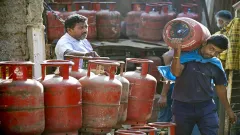
On the import front, India continues to depend heavily on Russian fertilisers, importing up to five million tonnes annually. Strengthening this supply chain remains a priority for New Delhi, particularly due to its importance for the agricultural sector. The visit may bring renewed commitments from both sides to stabilise and expand fertiliser trade.
Talks are also expected to cover the ongoing negotiations on a potential Free Trade Agreement (FTA) with the Eurasian Economic Union. With most technical-level discussions nearing completion, the upcoming leadership interaction could provide the necessary push to conclude the deal in the near future.
Mobility Agreement and Workforce Movement
One of the most anticipated outcomes of the visit is a mobility agreement that would facilitate the movement of skilled and semi-skilled Indian workers to Russia. This agreement has been in advanced stages of internal review and could significantly expand employment opportunities for Indian professionals across various sectors in Russia.
The proposed framework aims to streamline work permits, simplify visa processes, and create structured pathways for labour mobility. Such an arrangement is expected to support industries facing workforce shortages in Russia while also benefiting Indian workers through diversified overseas employment options.
A successful mobility agreement would further solidify people-to-people connections, complementing the broader strategic and economic cooperation between both nations.
Defence Cooperation and Advanced Military Platforms
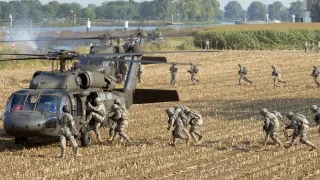
Defence cooperation remains one of the strongest pillars of the India-Russia partnership. While major defence agreements are traditionally not announced publicly, several significant developments are expected to be part of the discussions during this visit. A key area of interest is India’s reported evaluation of additional S-400 air defence systems, influenced by their strong operational performance earlier this year.
India may also explore options related to the S-500 platform, as both sides continue to expand cooperation in advanced air defence technologies. Additionally, talks are anticipated on clearing pending S-400 deliveries and addressing logistical requirements for their deployment.
A major highlight is the possibility of India considering procurement of the Su-57 fifth-generation stealth fighter jet. Russia has reportedly offered unrestricted access to relevant technologies, enabling India to participate in phased local production. This aligns with India’s long-term goal of strengthening indigenous defence manufacturing.
Stealth Fighters and Future Aviation Technology
Russia’s proposal for the Su-57 includes an initial supply of aircraft manufactured in Russia, followed by a gradual shift of production to India under a structured technology transfer model. This could mark a major milestone in India’s future combat aircraft roadmap and significantly upgrade its air superiority capabilities.
Reports also suggest that Russia may offer the Su-75 Checkmate, a single-engine stealth fighter platform designed for cost-effective operations and advanced combat performance. If pursued, this would diversify India’s fighter aircraft options and introduce new-generation technologies into the Indian defence ecosystem.
The discussions around these aircraft are expected to be strategic and long-term, aligning with India’s future force structure and its goal of establishing robust fifth-generation fighter capabilities.
Energy Cooperation and Oil Trade Discounts
The energy sector continues to be a major pillar of India-Russia relations. Russia has emerged as one of India’s most important suppliers of crude oil, and discussions during the visit are likely to focus on long-term pricing, infrastructure development, and transport logistics.
Russia has reportedly offered additional discounts on crude oil in response to global market fluctuations and shifting energy demand patterns. This could enhance India’s energy security while ensuring stable revenue streams for Russia.
Beyond oil, cooperation in nuclear energy, gas infrastructure, and renewable energy technologies may also feature prominently in the bilateral discussions, reiterating the importance of the energy partnership.
Diplomatic Engagement and New Consulates
The diplomatic footprint of India in Russia is expanding. India recently operationalised a new consulate in Kazan, with another consulate in Yekaterinburg expected to open soon. These additions are aimed at strengthening regional engagement, supporting Indian citizens, and facilitating smoother business operations across different Russian territories.
Several agreements in areas such as healthcare, trade cooperation, media partnerships, and cultural exchange are also expected to be finalised during the visit. These agreements will contribute to the diversification of bilateral engagement beyond traditional sectors.
Counter-terrorism cooperation, a consistent element of India-Russia relations since 2002, will continue to be a part of the discussions, alongside an exchange of views on major international issues.
Putin’s Agenda and High-Level Interactions
Putin’s official engagements during the visit include a ceremonial welcome, tributes at national memorials, and delegation-level talks with Prime Minister Narendra Modi. The leaders are expected to address key areas of cooperation, explore new initiatives, and issue a joint statement summarising their strategic priorities.
A business event hosted by a major Indian industry body will further enhance commercial dialogue, enabling business leaders from both countries to identify new opportunities. Putin will also meet India’s President before concluding his visit.
The visit is expected to reaffirm the long-standing strategic trust between the two nations and pave the way for deeper, more diversified cooperation in the years ahead.
Also Read: New MH370 Search Resumes as Fresh Clues Spark Global Hope