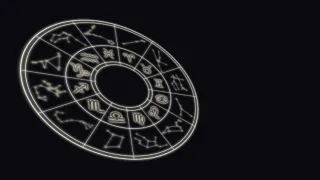
Monday, March 30, 2026 | Chaitra, Shukla Paksha Trayodashi | Vikram Samvat 2083
There is something quietly powerful about the way millions of Indians begin their mornings, not with a news scroll, but with a glance at the Panchang. Before a business deal is signed, before a wedding date is fixed, before a journey begins, the ancient almanac speaks first. And on March 30, 2026, it has quite a bit to say.
This is a Monday, Somvar, which already carries a particular weight in Hindu tradition. Dedicated to Lord Shiva, Mondays hold a natural sanctity. But when a Pradosh Vrat fall on a Monday? That is what the faithful call Som Pradosh, and it is among the most auspicious observances in the Shaiva calendar. This week, that convergence lands on March 30, making it a day worth understanding in full, whether you are devout, curious, or simply planning something important.
Som Pradosh Vrat
Pradosh Vrat occurs twice a month, on the Trayodashi tithi, the thirteenth day, of both the waxing and waning lunar fortnights. Devotees observe a fast and offer prayers to Lord Shiva and Parvati during the twilight hour, the pradosh kaal, believing it dissolves sins and bestows blessings of health, prosperity, and liberation.
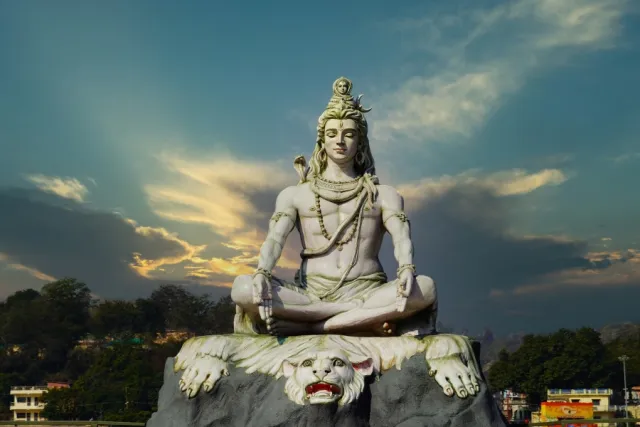
When Pradosh falls on a Monday, the day ruled by the Moon, Shiva's own celestial ornament, the vrat is elevated to Som Pradosh. Shiva wears the crescent moon on his matted locks for a reason. The Moon is his devotee, his adornment, his symbol of cycles and renewal. Som Pradosh prayers are believed to carry amplified spiritual merit, particularly for those seeking relief from hardship, marital harmony, or simply a deeper connection with the divine.
On March 30, the Trayodashi tithi begins at 7:09 AM and extends through to 6:56 AM the following morning. The evening twilight window, roughly from sunset at 6:37 PM onward, is the ideal time for Pradosh puja. Light a diya, offer bilva leaves, recite the Shiva Panchakshara, and if possible, visit a Shiva temple during this golden hour.
Panchang Details for March 30, 2026
Let us break down what the Panchang reveals for March 30, 2026, in the Vikram Samvat 2083, Siddhartha year, during the auspicious month of Chaitra.
| Panchang Element | Details |
|---|---|
| Tithi (Morning) | Shukla Paksha Dwadashi, ends at 7:09 AM |
| Tithi (Rest of Day) | Shukla Paksha Trayodashi, 7:09 AM to 6:56 AM (Mar 31) |
| Nakshatra (Morning) | Magha, until 2:47 PM |
| Nakshatra (Afternoon) | Poorva Phalguni, from 2:47 PM onward |
| Moon Sign | Leo (whole day and night) |
| Sun Sign | Pisces |
| Yoga (Morning) | Shool, until 4:51 PM |
| Yoga (Evening) | Gand, from 4:51 PM onward |
| Karan | Kaulava (7:10 AM to 7:00 PM), Taitil (7:00 PM onward) |
| Vaar (Weekday) | Somvar (Monday) |
| Sunrise | 6:25 AM |
| Sunset | 6:37 PM |
| Moonrise | 4:21 PM |
| Moonset | 5:07 AM (March 31) |
Tithi
The day opens under Shukla Paksha Dwadashi, which concludes at 7:09 AM. After that, Trayodashi takes over and rules through the rest of the day and night, setting the stage for Pradosh Vrat perfectly.
Nakshatra
Magha nakshatra governs the early part of the day, transitioning to Poorva Phalguni at 2:47 PM. Magha, associated with ancestors and royal dignity, gives way to Poorva Phalguni, a nakshatra of rest, pleasure, and creative expression, ruled by Venus. The afternoon shift carries a softer, more festive energy.
Moon Sign
The Moon is in Leo throughout the day and night, bold, expressive, generous. This placement favours activities that require confidence and leadership, though it can also heighten pride and stubbornness if unchecked.
Sun Sign
The Sun remains in Pisces, a placement of depth, spirituality, and introspection. The combination of a Leo Moon and Pisces Sun creates an interesting tension, outward confidence seeking inward meaning. A fitting energy for a Pradosh fast.
Yoga
The day begins with Shool yoga, which ends at 4:51 PM, followed by Gand yoga. Neither is considered particularly auspicious for new beginnings, which makes the guidance on muhurtas all the more important.
Auspicious and Inauspicious Times on March 30, 2026
The Panchang is not just a spiritual document. It is a practical scheduling tool, and March 30 offers both green lights and red flags.
Auspicious Times to Note
| Muhurta | Timing |
|---|---|
| Brahma Muhurta | 4:48 AM to 5:36 AM |
| Abhijit Muhurta | 12:06 PM to 12:55 PM |
| Amrit Kaal | 12:21 PM to 1:58 PM |
Brahma Muhurta, the pre-dawn hour, is considered ideal for meditation, prayer, study, and spiritual practice. Starting the day here, even briefly, is said to set a sattvic tone for everything that follows.
The Abhijit Muhurta is the most universally auspicious slot of the day, occurring near solar noon. It is good for important decisions, starting work, or any task requiring success.
Amrit Kaal, the nectar period, is especially favoured for health-related activities, medical consultations, and new ventures.
Inauspicious Periods to Avoid
| Inauspicious Period | Timing |
|---|---|
| Rahu Kaal | 7:56 AM to 9:28 AM |
| Yamaganda | 10:59 AM to 12:31 PM |
| Kulik | 2:02 PM to 3:34 PM |
| Inauspicious Time | 12:55 PM to 1:44 PM, and 3:22 PM to 4:11 PM |
| Varjyam | 10:58 PM to 12:36 AM (night) |
Avoid signing contracts, starting journeys, or launching anything new during the Rahu Kaal window. If you are planning something significant on March 30, a meeting, an announcement, a financial decision, the Abhijit Muhurta slot just before 1 PM is your safest and most powerful window.
Disha Shool for Monday falls in the East direction. Traditional belief advises against travelling eastward on Mondays without taking a spoonful of curd and sugar before departing. It is a small ritual believed to neutralise the directional inauspiciousness.
Sunrise, Sunset and the Moon's Journey on March 30
The day stretches from sunrise at 6:25 AM to sunset at 6:37 PM, a generous 12-hour window of daylight as spring asserts itself. The Vedic Ritu (season) is Vasant, spring, and the longer days, blooming trees, and warming air are all consistent with Chaitra's character. The Ayan is Uttarayan, and the dry season is giving way to the freshness of the vernal months.
Moonrise comes at 4:21 PM, and the Moon sets the following morning at 5:07 AM. With the Moon in Leo and growing toward Purnima (full moon), the night of March 30 carries a bright, luminous quality, fitting for Shiva's crescent-crowned devotees keeping vigil.
The lunar month is Chaitra in both the Amant and Purnimant traditions, placing this firmly in the most celebrated stretch of the Hindu calendar, the same month that brings Ram Navami, Chaitra Navratri, and the new year in several regional traditions. The Saka Samvat (National Calendar) date is Chaitra 9, 1948.
Moon Strength by Rashi on March 30, 2026
For those tracking their Chandra Bala (Moon strength), an important consideration before undertaking any significant task, the following rashis carry strong Moon support until March 31 at 6:24 AM.
The favoured rashis are: Gemini, Leo, Libra, Scorpio, Aquarius, and Pisces.
If your Moon sign (Janma Rashi) falls in any of these, March 30 carries an additional layer of personal auspiciousness for you.
Those in Chandrashtama, particularly individuals born under Uttara Ashadha (last three padas), Shravana, and Dhanishtha (first two padas), are advised to avoid major decisions and stay physically cautious during this period.
It is also worth noting that Gandmool Nakshatra runs from March 29 at 2:37 PM through March 30 at 2:47 PM under Magha. Activities begun during Gandmool are traditionally considered to carry additional scrutiny, so it is best to wait for Poorva Phalguni to take over in the afternoon before initiating anything of lasting consequence.
Upcoming Auspicious Dates in April 2026
For those using the March 30 Panchang as a planning reference, here are the upcoming auspicious dates for significant life events. Chaitra is traditionally considered a strong month for new beginnings, and these dates reflect carefully calculated alignments of tithi, nakshatra, and planetary positions.
| Purpose | Next Auspicious Date |
|---|---|
| Vehicle Purchase Muhurta | April 6, 2026 |
| Wedding Muhurta | April 15, 2026 |
| Home or Property Purchase | April 20, 2026 |
The Panchang has survived millennia not because it is superstition, but because it is a system, one that connects the rhythms of the cosmos with the rhythms of human life. On a Monday in spring, when the Moon glows in Leo and Pradosh approaches at dusk, that system speaks with unusual clarity.
Note: Panchang timings may vary slightly by location. The details here are indicative and based on standard North Indian calculations.