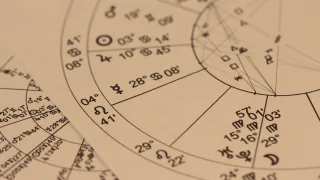
There’s something quietly powerful about starting a day with cosmic clarity. Not in a mystical, over-the-top way but in the subtle rhythm of time itself. The Panchang for April 28, 2026, unfolds like a well-tuned script, where every hour carries its own energy, every alignment tells a story, and every ritual holds meaning shaped by centuries of tradition.
Whether you’re planning a vrat, scheduling an important task, or simply curious about the celestial blueprint of the day, this detailed Panchang offers both guidance and insight grounded in Vedic timekeeping and deeply relevant to modern life.
Panchang April 28, 2026 Key Timings and Overview
The day begins with the Sun rising at 5:59 AM and setting at 6:49 PM, offering a long stretch of daylight that aligns with the seasonal shift toward summer. The Moon rises at 4:04 PM and sets early the next morning at 4:12 AM, marking a dynamic lunar presence through the evening.
This date falls under Uttarayan, the sacred half of the year associated with growth, movement, and spiritual progression. According to the traditional calendar:
- Vikram Samvat: 2083 Siddharthi
- Shaka Samvat: 1948 Parabhava
- Lunar Month: Vaisakha both Amanta and Purnimanta
- Season Ritu: Grishma Summer in Drik system, Vasant Spring in Vedic context
The day is observed on a Tuesday, Mangalwar, a day traditionally linked with strength, discipline, and devotion.
Tithi Nakshatra and Yoga What Shapes the Day
Tithi Lunar Day
- Shukla Paksha Dwadashi until 6:52 PM
- Followed by Trayodashi
Dwadashi is often associated with spiritual cleansing and is considered favourable for fasting and religious observances. Its transition into Trayodashi later in the evening subtly shifts the energy toward introspection and preparation for upcoming rituals.
Nakshatra Constellation
- Uttara Phalguni until 10:36 PM
- Followed by Hasta
Uttara Phalguni carries themes of prosperity, agreements, and long-term commitments. It’s a nakshatra that encourages stability, ideal for making decisions that require endurance. Hasta, which follows, is more hands-on, creative, and action-oriented.
Yoga
- Vyaghata until 9:04 PM
- Harshana thereafter
Vyaghata is traditionally considered a challenging yoga, often suggesting caution in major decisions. However, Harshana, which follows, brings a lighter, more joyful vibration, making the late evening more favourable for positive engagements.
Auspicious and Inauspicious Timings You Should Know
Inauspicious Periods
- Rahu Kalam: 3:36 PM to 5:12 PM
- Yamaganda: 9:12 AM to 10:48 AM
- Gulika Kalam: 12:24 PM to 2:00 PM
- Dur Muhurat: 08:33 AM to 09:24 AM, 11:16 PM to 12:01 AM
- Varjyam: 04:53 AM to 06:34 AM
These periods are traditionally linked with obstacles or delays, especially in new beginnings or financial decisions.
Auspicious Timings
- Abhijit Muhurat: 11:58 AM to 12:50 PM
- Amrit Kaal: 02:59 PM to 04:40 PM
- Brahma Muhurat: 04:22 AM to 05:10 AM
Brahma Muhurat is prized for meditation, learning, and mental clarity. Abhijit Muhurat is a universal green light period often used when other timings are uncertain.
Festivals and Vrats Observed
- Parashuram Dwadasi
- Bhauma Pradosh Vrat
Parashuram Dwadasi honours Lord Parashuram, the warrior sage and sixth avatar of Vishnu, symbolising righteousness and justice. Bhauma Pradosh Vrat, falling on a Tuesday, is dedicated to Lord Shiva and is believed to help in overcoming challenges and karmic obstacles.
These observances are not just ritualistic; they reflect a deeper cultural rhythm where discipline meets devotion.
Planetary Positions and Their Influence
- Sun in Mesha Aries
- Moon in Kanya Virgo
This combination creates an interesting contrast. Aries brings boldness and initiative, while Virgo encourages precision and practicality. It is a day where impulsive decisions may benefit from a second look, and detailed planning can yield better outcomes.
The Moon’s transit through Virgo also favours organisation, health-related decisions, and analytical thinking.
Special Yogas Rare Windows of Opportunity
- Tripushkar Yoga from 5:59 AM to 6:52 PM
- Sarvartha Siddhi Yoga begins early the next day
Tripushkar Yoga is considered highly auspicious for initiating tasks that you want to multiply in results, be it investments, learning, or long-term planning. Actions taken during this period are believed to yield returns threefold.
Choghadiya Timings Hour by Hour Energy Map
Day Choghadiya Highlights
- Labh Gain: 10:48 AM to 12:24 PM
- Amrit Best: 12:24 PM to 2:00 PM
- Shubh Auspicious: 3:36 PM to 5:12 PM
Night Choghadiya Highlights
- Shubh: 11:00 PM to 12:24 AM
- Amrit: 12:24 AM to 1:47 AM
These segments provide micro-level guidance for timing decisions throughout the day and night.
Who Benefits from Chandrabalam?
- Mesha Aries
- Karka Cancer
- Kanya Virgo
- Vrischika Scorpio
- Dhanu Sagittarius
- Meena Pisces
For individuals under these signs, the day may feel more aligned, productive, and emotionally balanced.
The Panchang for April 28, 2026, is a blend of powerful opportunities and mindful caution. With Tripushkar Yoga, spiritually significant vrats, and a mix of dynamic planetary influences, the day encourages thoughtful action rather than impulsive moves.
The presence of auspicious windows like Abhijit Muhurat and Amrit Kaal makes it ideal for important decisions, while inauspicious periods remind you to slow down and reflect.
Ultimately, Panchang April 28, 2026, is not just about timings; it is about timing your life better.
Also Read: Vat Savitri Vrat 2026: Date and Puja Timings